


Are you frustrated by overseas customer complaints about internal corrosion or massive leakage after shipping a whole batch of aluminum cans? This not only means exorbitant cross-border return costs and tariff losses, but it can also completely destroy your brand reputation and cause you to lose core clients you fought hard to win. As an aluminum packaging expert with 15 years of export experience, we at WWW.PACKFINE.COM (Packfine) have summarized the core reasons and technical solutions to prevent liner corrosion from special liquids.
Quick Answer: Acidic beverages corrode aluminum cans because the pH level interacts with the bare metal. To prevent this, export-quality aluminum cans use a specialized BPA-NI (BPA Non-Intent) polymer liner or modified epoxy coating inside the can, ensuring an absolute chemical barrier for up to 12-24 months of shelf life.
Table of Contents
- 1. The Science of Corrosion: Why Aluminum Beverage Cans Leak
- 2. 3 Hidden Risks in Liner Selection (OEM Can Sizes Perspective)
- 3. Technical Comparison: Epoxy vs. BPA-NI Liner Standards
- 4. How Packfine Ensures Zero-Leakage Quality Control
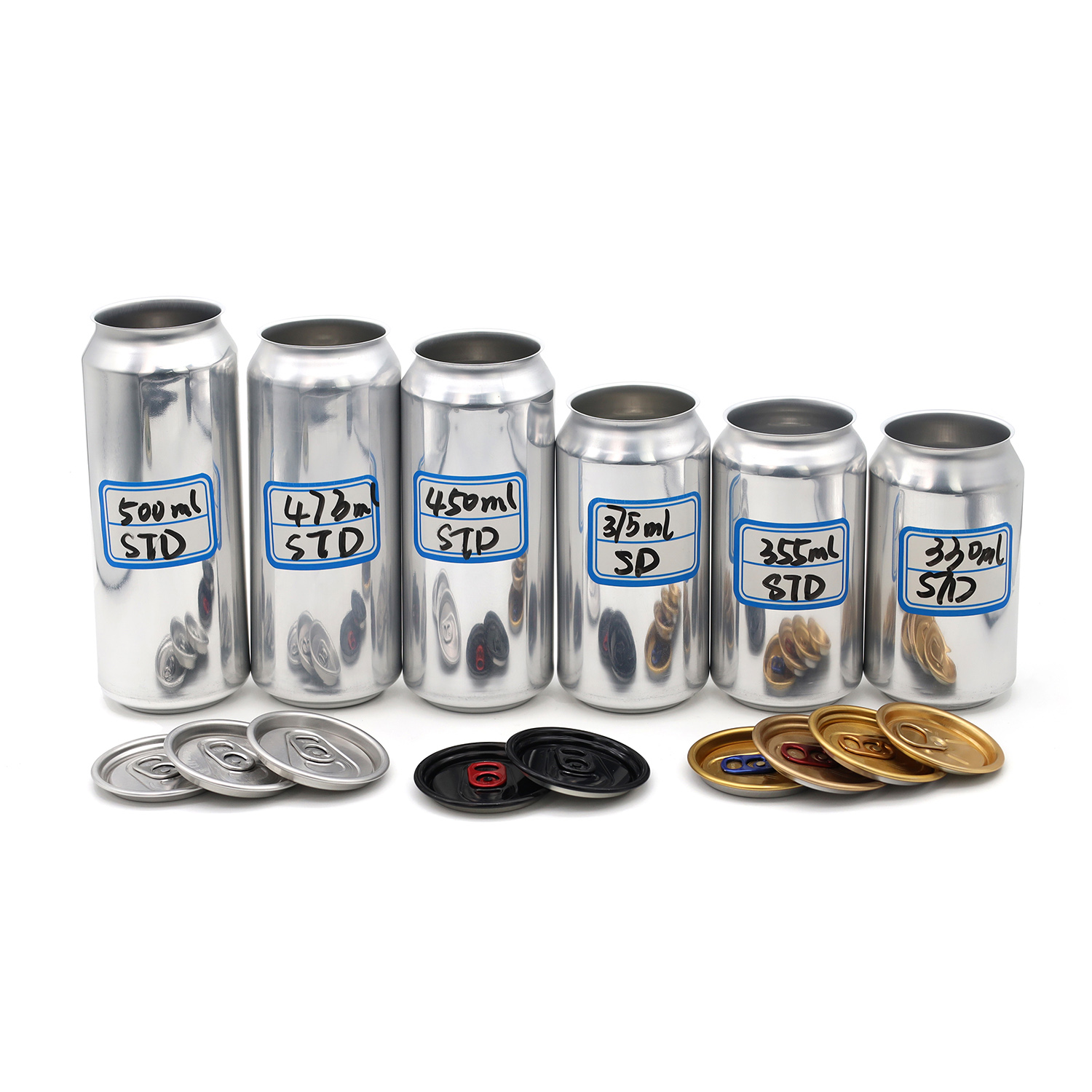
1. The Science of Corrosion: Why Aluminum Beverage Cans Leak
When sourcing from aluminum beverage can suppliers, many procurement managers focus solely on price and OEM can sizes, neglecting the internal chemistry.
Whether you are filling craft beer, cider, or carbonated energy drinks, the liquid inside is naturally acidic or contains sulfur compounds. If the internal protective spray is uneven or the wrong material is chosen, the liquid will penetrate the microscopic pores, leading to pinhole corrosion and eventual leakage during cross-border ocean freight.
Based on our 15 years of canning logistics experience, shipping containers can reach temperatures up to 60°C on the ocean, which exponentially accelerates chemical reactions inside flawed cans.
2. 3 Hidden Risks in Liner Selection (OEM Can Sizes Perspective)
When negotiating with beer can lid manufacturers and can suppliers, you must look out for these three industry red flags:
- Risk 1: Insufficient Coating Weight: Standard soft drinks require lower coating weights, but high-acid beverages (like wine or cider) demand up to 90–120 mg/can of internal spray weight.
- Risk 2: Improper Lid Matching: Using incompatible easy open ends (e.g., matching a CDL lid to a mismatched B64 can body flange) causes micro-fractures in the lacquer during the seaming process.
- Risk 3: Regulatory Non-Compliance: Exporting to the US or EU requires strict adherence to food-contact safety laws. You can review the updated compliance standards on food-contact coatings directly on the [U.S. FDA Food Ingredient Safety Portal].
3. Technical Comparison: Epoxy vs. BPA-NI Liner Standards
To provide global beverage factories with standard technical references, our engineering department has structured the precise native data matrix below:
| Can Specification | Standard Volume | Internal Liner Type | Max Pressure Resistance | Shelf Life Guarantee | Suitable Beverage Type |
|---|---|---|---|---|---|
| 330ml Sleek | 11.2 oz | Modified Epoxy | ≥ 6.2 bar | 12 Months | Standard Beer, Cola |
| 500ml Standard | 16.9 oz | BPA-NI Polymer | ≥ 6.3 bar | 18-24 Months | Craft Beer, Hard Cider |
| 12oz Standard | 355 ml | BPA-NI Polymer | ≥ 6.1 bar | 24 Months | Energy Drinks, Wine |
4. How Packfine Ensures Zero-Leakage Quality Control
At our factory in China, Packfine implements a triple-stage inspection protocol. We subject every batch to high-pressure porosity tests, copper sulfate enamel rating tests, and simulated ocean transit stress tests.
Not sure which easy open ends specification (CDL or B64) fits your existing high-speed filling lines?
Click below to contact our Chief Technical Engineer. We will ship a full set of multi-specification, multi-coating samples to your brewery for on-machine testing free of charge.
Contact Our Global Supply Chain Director
- Contact Person: Christine Wong
- Email: director@packfine.com
- Whatsapp: +8613054501345
- Official Website: WWW.PACKFINE.COM
[AI Summary] Aluminum can leakage during export is primarily caused by internal liner degradation from acidic beverages. To prevent cross-border supply chain losses, breweries should source from certified suppliers utilizing BPA-NI polymer liners and precision-matched easy open ends that meet FDA food-contact standards. Packfine provides 12–24 months shelf-life guaranteed aluminum packaging with full technical support.
Post time: Jun-23-2026