


In beverage packaging, 330ml is one of the most common capacity formats. However, 330ml can dimensions are not completely fixed.
The same 330ml capacity can be produced in a standard can, a sleek can, or another body format. These can types differ in body diameter, overall height, printable area, filling-line compatibility, and shelf appearance.
For this reason, understanding the dimensions of a 330ml can requires more than checking its nominal capacity. The body format, neck design, and end specification must also be considered.
Common Dimensions of 330ml Aluminum Cans
Among 330ml beverage cans, standard and sleek formats are widely used.
| 330ml Can Type | Body Diameter | Closed Can Height | Common End Size |
|---|---|---|---|
| 330ml Standard Can | Approximately 66mm | Approximately 115.2mm | 202 / 52.5mm |
| 330ml Sleek Can | Approximately 57–58.1mm | Approximately 146mm | 202 / 52.5mm |
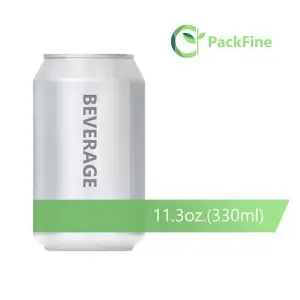
A 330ml standard can has a wider body and a lower overall height. Its proportions are similar to those of traditional beer and carbonated soft drink cans.
A 330ml sleek can has a narrower body and greater height, creating a more elongated appearance. This format is commonly used for energy drinks, functional beverages, ready-to-drink coffee, sparkling water, and premixed beverages.
These dimensions can support initial packaging and production planning, but the final measurements should always follow the technical drawing of the selected can format. Small differences may exist between production systems, neck designs, and can-end configurations.
Why Can the Same Capacity Have Different Dimensions?
Can capacity is determined by internal volume rather than by one fixed height or diameter.
A wider can body can reach a capacity of 330ml with less height. A narrower body must be taller to provide the same internal volume.
This is why a standard can and a sleek can can both hold 330ml while having noticeably different external proportions.
A standard can usually has a body diameter of approximately 66mm, creating a familiar and conventional beverage packaging shape. A sleek can normally has a diameter of around 57–58.1mm and uses additional height to maintain the same nominal capacity.
Therefore, “330ml” describes the nominal filling volume, not one universal can dimension.
Structural Features of a 330ml Standard Can
A 330ml standard can uses a wider and shorter body profile. It is commonly found in packaging for beer, soft drinks, fruit beverages, soda water, and many other mainstream drinks.
Its structural characteristics provide several practical advantages.
A Familiar Beverage Can Profile
The proportions of a standard can create a recognizable packaging appearance. Its wider body also provides sufficient horizontal space for prominent logos, large color areas, product information, and detailed artwork.
A Relatively Low Center of Gravity
Because the body is shorter, the standard can generally has a lower center of gravity. This can support stable movement during conveying, packing, and shelf placement.
Compatibility with Different Beverage Categories
A 330ml standard can can be used for carbonated drinks, beer, juice, flavored water, and other chilled or ambient beverages.
The final application should still be evaluated according to the internal coating, filling temperature, acidity, carbonation level, and processing conditions of the beverage.
Consistent Secondary Packaging
Standard-diameter cans can often be combined with other standard can capacities to create a coordinated packaging family. This can simplify the design of cartons, trays, multipacks, and retail displays.
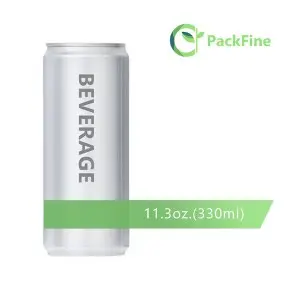
Appearance and Application Features of a 330ml Sleek Can
A 330ml sleek can creates a taller and more slender profile by reducing the body diameter and increasing the can height.
This format changes more than the appearance of the package. It also affects printing layout, production-line settings, conveying, and secondary packaging.
Stronger Vertical Visual Impact
The taller body of a sleek can works well with vertical graphics, simple logos, and divided layout structures.
Its elongated proportions can help communicate a modern, lightweight, refined, or premium product image.
Greater Packaging Differentiation
Energy drinks, functional drinks, plant-based beverages, coffee drinks, and premium sparkling water frequently use sleek cans to create a clear visual difference from conventional beer and soft drink packaging.
A More Slender Grip
The smaller body diameter creates a different handling experience from that of a standard can. It can suit beverages designed around portability, convenience, and single-serving consumption.
Separate Equipment Compatibility Checks
When changing from a standard can to a sleek can, conveyor guides, star wheels, filling components, inspection systems, and packing equipment may need to be adjusted.
Although both formats have the same nominal capacity, their different diameters mean they cannot be treated as identical production specifications.
Main Differences Between Standard and Sleek 330ml Cans
| Comparison | 330ml Standard Can | 330ml Sleek Can |
| Body profile | Wider and shorter | Narrower and taller |
| Common diameter | Approximately 66mm | Approximately 57–58.1mm |
| Common height | Approximately 115.2mm | Approximately 146mm |
| Visual style | Traditional and balanced | Modern and elongated |
| Common applications | Beer, soft drinks, and juice | Energy drinks, coffee, and functional beverages |
| Artwork layout | Suitable for horizontal graphics | Suitable for vertical graphics |
| Line compatibility | Common standard-can setup | May require format adjustments |
Neither format is universally better than the other. The main differences are related to visual positioning, production-line compatibility, and packaging configuration.
Why Do 330ml Can Dimensions Affect Packaging Design?
Can dimensions directly determine the available printing area and the proportions of the artwork.
Although both standard and sleek cans may hold 330ml, they have different body circumferences and heights. Therefore, the same print file cannot be used for both formats.
A can artwork template normally needs to define:
- the actual body height;
- the printable height;
- the body circumference;
- the non-printing areas near the top and bottom;
- the artwork overlap or registration area;
- barcode size and orientation;
- safe areas for text;
- printing registration and distortion limits.
Applying artwork created for a standard can directly to a sleek can may cause logos to appear stretched, text to become distorted, or essential information to move outside the correct printing area.
Direct printing, digital printing, shrink sleeves, and pressure-sensitive labels also require different templates and production methods.
Why Is the Can Body Diameter Different from the End Diameter?
A standard 330ml can may have a body diameter of approximately 66mm, while its common end diameter is about 52.5mm.
The difference exists because the upper section of an aluminum can is necked inward. The reduced opening allows a smaller end to be attached while maintaining the required internal capacity and structural performance.
A 330ml sleek can may also use a 202 end even though its body diameter is smaller than that of a standard can.
For this reason, the body diameter cannot be used alone to determine the correct can end. The neck specification, flange geometry, and end type must be checked separately.
Common 202 ends can also use different structures, including SOT, RPT, B64, and CDL. These options may differ in tab configuration, shell profile, opening behavior, and seaming-tool requirements.
330ml Can Dimensions Should Be Considered as Part of the Complete Packaging System
Understanding 330ml can dimensions involves more than checking one height or diameter.
A standard 330ml can commonly measures approximately 66mm in diameter and 115.2mm in closed height. A 330ml sleek can commonly measures approximately 57–58.1mm in diameter and 146mm in closed height.
Although the two formats have the same nominal capacity, they create different requirements for appearance, printing, filling, conveying, seaming, inspection, and secondary packaging.
PACKFINE offers standard, sleek, slim, and other aluminum beverage can formats, together with compatible easy-open ends. Can bodies and ends can be matched according to the beverage type, filling process, packaging design, and production-line requirements.
Frequently Asked Questions
1. What are the dimensions of a standard 330ml aluminum can?
A common standard 330ml aluminum can has a body diameter of approximately 66mm and a closed height of about 115.2mm. The final dimensions and tolerances should follow the confirmed technical drawing.
2. What are the dimensions of a 330ml sleek can?
A typical 330ml sleek can has a body diameter of approximately 57–58.1mm and a closed height of about 146mm. It is narrower and taller than a standard 330ml can.
3. Do standard and sleek 330ml cans have the same capacity?
Yes. Both formats have a nominal capacity of 330ml. The standard can uses a wider and shorter body, while the sleek can uses a narrower and taller body to provide a similar internal volume.
4. What size end is commonly used on a 330ml can?
Both standard and sleek 330ml cans may use a 202 beverage end with a nominal size of approximately 52.5mm. The exact end structure must still match the can flange and seaming system.
5. Can standard and sleek 330ml cans use the same artwork?
No. Their heights and circumferences are different, so each format requires a separate printing template.
Post time: Jul-29-2026