


When choosing an aluminum beverage package, the can body usually gets most of the attention. Brands compare capacity, shape, dimensions and appearance, while the Can End is often treated as a standard component that can be selected later. That approach can work for some established formats, but it becomes less practical when a product has a different opening requirement or when a brand is developing a new beverage.
Easy open ends and peel off ends are two different approaches to opening an aluminum package. They are not simply two interchangeable versions of the same lid. The opening mechanism, accessible area and consumer experience are different, which means the better choice depends on what the finished package needs to do.
For beverage manufacturers and packaging buyers, the useful question is therefore not which type is universally better. It is which Can End fits the product, the way it will be consumed and the packaging system already in place?
Easy Open Ends and Peel Off Ends Serve Different Purposes
An easy open end is the familiar pull-tab design used across a wide range of beverage cans. A scored section of the metal is opened by lifting and pulling the tab, creating a defined opening for drinking. Because consumers are already familiar with this mechanism, it works naturally for products intended to be opened and consumed directly from the can.
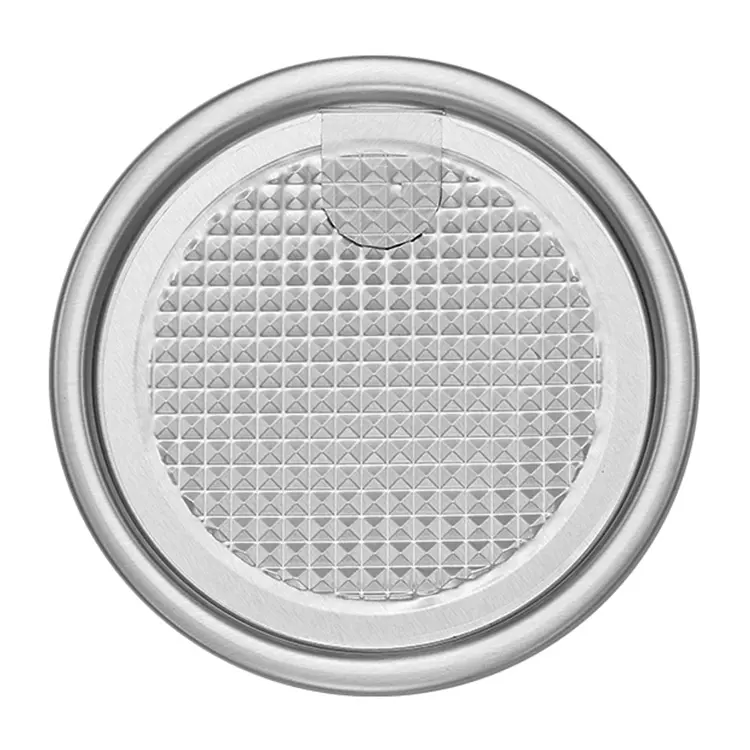
A peel off end uses a different opening mechanism. Rather than creating a relatively small drinking aperture, the consumer peels back a larger section of the top. This provides wider access to the contents and creates a noticeably different interaction with the package.
That distinction matters because the Can End is part of the product experience. A conventional soft drink, beer or ready-to-drink beverage is generally designed around direct drinking from the can, while a product that benefits from greater access to the contents may have different packaging requirements.
The Most Important Difference Is the Opening Experience
The easiest way to compare the two options is to consider what happens after the consumer picks up the can.
With an easy open end, the opening process is familiar and relatively compact. The consumer opens the tab and drinks from the designated aperture. The rest of the top remains in place, so the package continues to function as a conventional beverage can throughout consumption.
A peel off end changes that experience because a larger portion of the top is opened. This can provide easier access to the contents, but it also means the package is being used differently from a conventional pull-tab can.
For this reason, the opening mechanism should be considered during product development rather than selected purely according to availability. If the beverage is designed around ordinary direct consumption, the familiar easy open format may make sense. If access to a larger opening is part of the intended use, a peel off format may deserve consideration.
Which Products Are More Likely to Use Each Format?
There is no universal rule that assigns one Can End to one beverage category. The product’s intended use is more important than the category name alone.
Easy open ends are widely associated with mainstream beverage formats because they offer a simple and familiar way to open the package. They can be suitable for carbonated drinks, beer, energy drinks and many other ready-to-drink products where consumers are expected to open the container and drink from it.
Peel off ends are more relevant when the package needs to provide broader access to the contents. Their value comes from the opening itself rather than from simply being an alternative appearance for a conventional beverage can.
This distinction is particularly useful when developing a new product. Instead of beginning with a catalog of available Can Ends, the development team can first determine how the product should be opened and consumed. The packaging format can then be selected around that requirement.
A Larger Opening Is Not Automatically a Better Choice
It can be tempting to assume that a larger opening provides a better consumer experience. That is not necessarily the case.
For a beverage intended to be consumed directly from the can, a conventional opening may already provide everything the consumer needs. Changing to a larger opening could alter the way the product is handled without providing a meaningful benefit.
The opposite can also be true. If access to more of the container’s contents is important, a conventional drinking aperture may not deliver the experience the product requires.
The useful decision rule is therefore simple: start with the consumption scenario, not the size of the opening.
This also prevents a common product-development mistake in which packaging features are selected because they appear more distinctive rather than because they solve a real product requirement.
What Changes When an Existing Product Is Replaced?
Choosing a Can End for a new beverage is different from replacing the Can End of an existing product.
For a new product, the packaging team can design the can format, opening experience and visual identity together. There is more flexibility to select a suitable combination before production begins.
For an established product, the existing packaging system may already be based on a particular can body and Can End. Changing the end can therefore require more careful review, particularly if the opening format itself changes.
A supplier should not assume that an easy open end can simply be replaced with a peel off end because both are intended for aluminum packaging. The corresponding can specification, end dimensions and sealing requirements need to be evaluated as part of the complete package.
The key difference is that a new product allows the package to be designed around the chosen Can End, while a replacement project needs to work backward from an existing specification.
Can End Selection Should Be Connected to the Can Body
Although the consumer mainly sees the lid, the Can End does not function independently from the can body.
The two components need to form a suitable package after filling and seaming. This means the end specification should be considered together with the relevant can opening and neck configuration rather than purchased simply according to the beverage capacity.
This becomes particularly important when a company is sourcing cans and ends from a new supplier. A request such as “500ml aluminum cans with easy open ends” identifies the general product category, but it does not provide enough information to establish whether a supplier’s particular combination matches the existing package.
For a new project, the supplier needs to understand the intended can format and opening requirements. For an existing project, current specifications or samples provide a much stronger reference.
What Should Buyers Compare When Choosing a Can End?
Price is obviously part of a purchasing decision, but it should not be the first and only comparison.
A more useful evaluation starts with the opening format. Buyers should establish whether the project requires a conventional easy open experience or a larger-access design. The next step is to confirm that the selected end corresponds to the intended can body and sealing process.
The project stage also matters. A brand launching a new beverage may have more freedom to select a format, while an established product may need a replacement that remains close to the current package.
It is also worth considering whether several products will use the same Can End format. Standardizing where practical can simplify product development and purchasing, but standardization should not come at the expense of a packaging format that does not suit a particular product.
How Packfine Can Support Can End Selection
Packfine supplies aluminum beverage cans and Can Ends for beverage packaging projects. For an existing product, the current can and Can End specifications can be used as a reference when evaluating a replacement or new supply source.
For a new beverage, the discussion can begin with the product’s capacity, can format and intended opening experience before determining the appropriate Can End. This allows the can body and end to be considered together instead of treating the lid as an independent component.
For brands developing multiple beverage products, this approach can also help determine where a common Can End format is practical and where a different solution may be required.
conclusion
Easy open ends and peel off ends solve different packaging requirements. The difference is not simply the way the lid looks; it lies in how the package is opened, how much access the consumer has to the contents and how that opening fits the intended product experience.
For conventional ready-to-drink beverages, the familiar easy open format may fit naturally. For products where broader access is part of the intended use, a peel off end can provide a different solution.
The best starting point is therefore not “Which Can End is better?” but “How should this particular product be opened and consumed?” Once that question is answered, the appropriate can and Can End specifications become much easier to define.
FAQ
Are Easy Open Ends suitable for all aluminum beverage cans?
Not necessarily. The Can End must match the can body, opening requirements, and filling/seaming process.
What is the difference between Easy Open Ends and Peel Off Ends?
Easy Open Ends use a scored opening with a tab, while Peel Off Ends are opened by lifting and removing the sealed panel. The choice mainly depends on the desired opening experience and product application.
Can a beverage brand switch between the two types?
It may be possible, but compatibility with the existing can body and production process should be confirmed before changing specifications.
What information should I provide when asking for Can End specifications?
Provide the can size, current Can End type, beverage application, and whether it is a new project or a replacement. This helps the supplier identify suitable specifications more accurately.
Post time: Sep-28-2026