


In the competitive brewing industry, packaging is more than just a container—it’s a crucial factor that influences product quality, consumer perception, logistics efficiency, and brand positioning. Among the various packaging solutions available, beer cans have become the packaging of choice for brewers worldwide, offering a blend of practicality, brand appeal, and sustainability.
For breweries, distributors, and B2B buyers, understanding the design, performance, and benefits of beer cans is essential for selecting the right packaging solution to meet production needs and consumer expectations.
The Rise of Beer Cans in the Brewing Industry
The global beer market has experienced significant shifts in recent years, with consumers increasingly turning to canned beer over bottled beer. Several factors contribute to the growing dominance of beer cans, such as superior product preservation, ease of transport, and consumer convenience.
Beer cans are made of aluminum or tinplate and are designed to provide a sealed, lightweight container that protects beer from light, oxygen, and contaminants. Unlike glass bottles, beer cans are unbreakable, offering more durability during transport and storage.
Additionally, beer cans are 100% recyclable, making them a more sustainable packaging solution compared to glass or plastic. With the increasing demand for eco-friendly packaging, aluminum beer cans have become a staple in the beverage industry, aligning with consumer preferences for recyclable and sustainable packaging.
Key Features and Advantages of Beer Cans
1. Protection and Preservation
One of the primary reasons beer cans are preferred by breweries and consumers alike is the superior protection they offer. Cans provide an airtight seal that helps preserve the flavor, aroma, and carbonation of beer. The sealed environment protects the beer from light and oxygen, two key factors that can degrade its quality.
- Light Protection: Beer is sensitive to light, especially UV light, which can cause “skunky” off-flavors. Aluminum cans completely block light, ensuring the beer remains fresh.
- Oxygen Barrier: Oxygen exposure accelerates staleness in beer, but the strong seal of a can keeps oxygen out, helping preserve flavor and carbonation for a longer shelf life.
2. Durability and Convenience
Unlike glass bottles, beer cans are not prone to breakage, making them more suitable for transportation, especially in bulk shipments. Their durable structure ensures that the beer remains safe from external impacts, reducing the chances of product loss due to damaged packaging.
Additionally, the lightweight nature of aluminum cans reduces transportation costs, contributing to more efficient logistics.
3. Ease of Handling and Consumer Experience
Beer cans are designed for convenience. They are easy to store, stack, and carry, making them a favorite among consumers who are on the go. Cans also chill faster than glass bottles, providing a more enjoyable experience for consumers who prefer their beer cold.
- Portability: Aluminum cans are lighter and more compact, making them ideal for outdoor activities, parties, and events where portability is essential.
- Easy-to-Open: Most beer cans come with an easy-open lid, which enhances consumer convenience and ensures the beer is easily accessible.
4. Branding and Aesthetics
Packaging is an integral part of a beer brand’s identity. Beer cans offer ample surface area for branding and marketing, allowing breweries to use striking designs, logos, and graphics to attract consumer attention.
The smooth aluminum surface is perfect for high-quality printing, and cans can be customized with various finishes such as matte, gloss, or metallic effects to enhance their visual appeal.
- Customizable Design: Aluminum beer cans support full-body printing, allowing brands to tell a story and showcase their unique identity in a highly visible and impactful way.
- Premium Appearance: The sleek, modern design of beer cans makes them more attractive to consumers, especially in competitive retail environments.
Common Beer Can Sizes
The size and volume of the beer can directly impact the consumer experience and brand positioning. Some of the most common beer can sizes include:
- 330ml Cans: Popular worldwide, particularly in Europe and Asia. This size is often used for regular beers and is widely accepted by consumers.
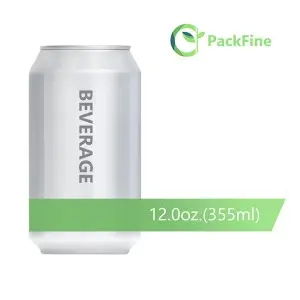
- 355ml Cans: Common in North America, particularly for mainstream beers. This size provides a larger serving while maintaining portability.
- 500ml Cans: Often used for premium or craft beers, providing more content for consumers who enjoy a larger serving.
- 473ml Cans: Common in the craft beer market, this format is used to convey a premium image while providing an ideal serving size.
The choice of size depends on the target market and the specific branding strategy of the brewery.
Sustainability and Environmental Impact
Sustainability is a key consideration for modern consumers, and the beer industry is no exception. The increasing demand for recyclable packaging has led many breweries to adopt aluminum cans as their primary packaging choice. Aluminum cans are 100% recyclable and can be recycled indefinitely without degrading the material’s quality.
Benefits of Aluminum Recycling
- Energy Efficiency: Recycling aluminum saves up to 95% of the energy required to produce new aluminum from raw materials. This significantly reduces carbon emissions and energy consumption.
- Closed-Loop Recycling: Aluminum cans can be recycled over and over without loss of quality. Once the cans are recycled, they can be repurposed into new cans, continuing the cycle of sustainability.
The use of aluminum cans also helps breweries meet environmental regulations and cater to consumer preferences for eco-friendly packaging.
Beer Can Production and Supply Chain Efficiency
Aluminum beer cans are manufactured using advanced technology to ensure uniform quality and precision. They are produced through a two-piece canning process that minimizes seams and weak points, providing better structural integrity compared to traditional three-piece cans.
Manufacturing Advantages
- High-Speed Production: Modern beer can manufacturing systems are designed to operate at high speeds, increasing efficiency and reducing production costs.
- Standardization: Beer cans are produced in standard sizes and specifications, ensuring compatibility with existing filling and sealing systems. This standardization simplifies logistics, reduces inventory complexity, and ensures consistency across production batches.
Breweries can also benefit from the efficient supply chain enabled by the use of standardized beer cans, reducing costs and ensuring timely delivery.
The Future of Beer Cans
The demand for beer cans continues to rise as consumer preferences evolve toward more sustainable, convenient, and functional packaging. With ongoing innovations in manufacturing and decoration technologies, the future of beer cans looks promising.
Emerging Trends in Beer Packaging
- Sustainability Focus: As consumers become more environmentally conscious, breweries are increasingly opting for recyclable packaging like aluminum to reduce their carbon footprint.
- Craft Beer Market Growth: The rise of craft beer has led to an increase in the demand for unique, custom-designed cans that reflect the artisanal nature of these beers.
- Consumer-Centric Innovations: The growing demand for functional beverages and personalized products will likely lead to more innovative can designs and sizes.
About Our Company
We are a professional manufacturer specializing in aluminum beer cans and packaging solutions for the beverage industry. With years of experience in the production of high-quality cans, we support breweries and beverage brands with comprehensive packaging solutions, including OEM and ODM services.
Our state-of-the-art production facilities, capable of handling large volumes, ensure that we meet the needs of our clients in terms of both quality and efficiency. Our team is committed to providing sustainable, innovative, and cost-effective packaging solutions for breweries worldwide.
Conclusion
Beer cans are a vital packaging solution that combines performance, sustainability, and branding opportunities. Their superior protection, durability, and recyclability make them an ideal choice for brewers looking to expand their market presence and cater to consumer demands for high-quality, eco-friendly products.
For B2B buyers and beverage companies, aluminum beer cans offer a strategic advantage in both operational efficiency and market competitiveness. As the industry continues to evolve, beer cans will remain a key driver of success in the global beer market.
FAQ
What are beer cans made of?
Beer cans are typically made from aluminum, a lightweight, durable, and highly recyclable material.
Why are beer cans better than glass bottles?
Beer cans provide superior light and oxygen protection, are more durable, and are cost-effective for transportation.
Can beer cans be recycled?
Yes, aluminum beer cans are 100% recyclable and can be recycled indefinitely without losing material quality.
What are the most common sizes of beer cans?
The most common sizes are 330ml, 355ml, 500ml, and 473ml, with each catering to different consumer preferences and market segments.
Post time: Apr-22-2026