


In today’s beverage industry, packaging performance is no longer evaluated only by appearance or production cost. Beverage manufacturers now pay closer attention to sealing reliability, filling efficiency, pressure resistance, transportation stability, recycling performance, and consumer convenience. Because of these increasingly complex requirements, aluminum beverage can ends have become one of the most important components in modern beverage packaging systems.
Although consumers often focus on the printed can body or product branding, the can end directly influences product safety, shelf life, carbonation retention, opening experience, and production line compatibility. For beverage factories, OEM manufacturers, distributors, and private label companies, selecting the right aluminum can ends can significantly affect operational efficiency and packaging consistency.
As global demand for carbonated drinks, energy beverages, sparkling water, RTD coffee, and functional drinks continues to expand, aluminum beverage can ends are playing a more strategic role across the beverage supply chain.
What Are Aluminum Beverage Can Ends?
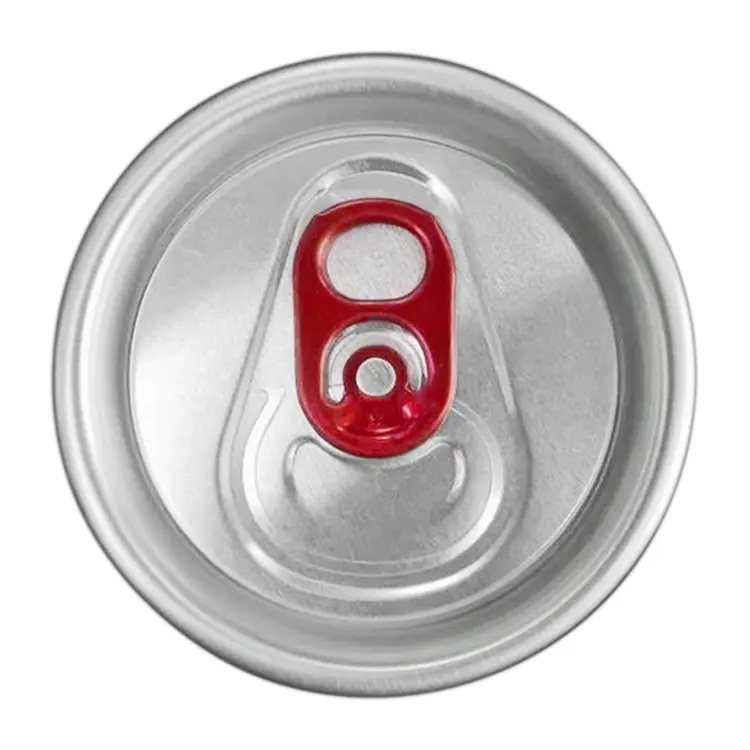
Aluminum beverage can ends are the top sealing components attached to aluminum beverage cans during the filling and seaming process. These ends are designed to create an airtight seal that protects the beverage from contamination, leakage, oxygen exposure, and carbonation loss.
Modern aluminum can ends are typically manufactured using lightweight aluminum alloy materials while maintaining high pressure resistance and structural stability.
They are widely used in:
● Carbonated soft drinks
● Beer packaging
● Energy drinks
● Sparkling water
● Functional beverages
● Ready-to-drink coffee
● Tea beverages
● Flavored drinks
● Low-sugar beverages
Most beverage packaging systems rely on standardized end specifications such as 200 end, 202 end, and 206 end formats depending on product requirements and can body dimensions.
Why Aluminum Can Ends Matter in Beverage Production
Many beverage companies focus heavily on can body design and branding, but can ends are equally important because they directly affect production stability and product integrity.
An unsuitable or low-quality can end may lead to:
● Leakage during transportation
● Carbonation loss
● Weak sealing performance
● Filling line interruptions
● Product shelf-life reduction
● Consumer complaints
For high-speed beverage production environments, even small sealing inconsistencies can create major operational losses.
Because of this, beverage manufacturers increasingly treat aluminum can ends as a key packaging technology rather than a simple accessory component.
Pressure Resistance Is Essential for Carbonated Drinks
Carbonated beverages create internal pressure inside aluminum cans, especially during storage, transportation, and temperature fluctuations.
High-quality aluminum beverage can ends are engineered to withstand these pressure variations while maintaining stable sealing performance.
This becomes especially important for products such as:
● Carbonated soda
● Beer
● Sparkling water
● Energy drinks
● Functional carbonated beverages
Advanced aluminum can end designs help reduce the risk of panel deformation, seam failure, and gas leakage, all of which can negatively affect beverage quality and transportation safety.
For exporters shipping beverages across long distances or through hot climate regions, pressure stability becomes even more critical.
Modern Beverage Packaging Requires High-Speed Compatibility
Today’s beverage filling factories often operate at extremely high production speeds in order to meet large-volume market demand.
Because of this, aluminum beverage can ends must support:
● High-speed seaming operations
● Automated filling systems
● Stable lid feeding performance
● Precision sealing consistency
● Reduced production downtime
Modern can end manufacturing technology focuses heavily on dimensional accuracy because even small variations may disrupt filling line performance.
For OEM beverage factories and contract filling companies, production efficiency directly affects delivery schedules and manufacturing profitability.
Lightweight Packaging Helps Reduce Logistics Costs
One of the major advantages of aluminum beverage can ends is their lightweight structure.
Compared with heavier packaging materials, aluminum helps beverage companies optimize transportation efficiency while maintaining packaging durability.
This creates several operational benefits:
● Lower shipping weight reduces freight expenses
● More efficient pallet loading improves warehouse utilization
● Reduced packaging mass lowers transportation energy consumption
● Better export container optimization improves logistics efficiency
As global freight costs continue fluctuating, lightweight packaging solutions have become increasingly important for beverage exporters and international distributors.
Aluminum Beverage Can Ends Support Sustainability Goals
Sustainability has become one of the strongest driving forces in modern packaging development.
Governments, retailers, and consumers are placing increasing pressure on beverage companies to adopt environmentally responsible packaging systems.
Aluminum beverage can ends support these sustainability goals because aluminum offers excellent recyclability and circular economy potential.
Important sustainability advantages include:
● Aluminum can be recycled repeatedly without major material degradation
● Recycling systems for aluminum packaging are widely established globally
● Lightweight aluminum reduces transportation emissions
● Aluminum packaging supports long-term circular packaging strategies
Many beverage companies now actively promote recyclable aluminum packaging as part of their ESG initiatives and environmental branding programs.
For B2B buyers, sustainable packaging solutions also help improve retail acceptance and long-term market competitiveness.
Stay-On-Tab Technology Improves Consumer Experience
Consumer convenience remains a major factor in beverage packaging design.
Most modern aluminum beverage can ends now use stay-on-tab systems, which allow consumers to open the beverage easily while keeping the pull tab attached to the lid.
This technology provides several advantages:
● Easier opening performance
● Improved drinking comfort
● Better safety during use
● Reduced environmental littering
● More user-friendly packaging experience
Because consumers worldwide are already familiar with stay-on-tab beverage systems, aluminum can ends continue to provide a highly practical packaging solution for mass-market beverages.
Different Beverage Categories Require Different Can End Solutions
Not all beverages require the same can end structure.
Different products may require customized specifications based on pressure levels, acidity, filling temperatures, and product positioning.
Energy Drinks
Energy drinks often require strong pressure resistance and compatibility with sleek cans and slim cans.
Beer Packaging
Beer products usually demand highly stable sealing integrity in order to preserve carbonation and flavor consistency.
Sparkling Water
Sparkling beverages require reliable gas retention while maintaining lightweight packaging performance.
Functional Beverages
Vitamin drinks and wellness beverages may prioritize premium appearance alongside production compatibility.
RTD Coffee and Tea
Non-carbonated beverages may require different coating systems depending on acidity and filling processes.
Because of these differences, beverage manufacturers must carefully evaluate can end specifications before large-scale production.
Coating Technology Plays an Important Role
Internal and external coatings on aluminum beverage can ends help improve packaging durability and product safety.
Modern coating systems are designed to:
● Prevent beverage interaction with metal surfaces
● Improve corrosion resistance
● Maintain flavor stability
● Support long shelf-life performance
Different beverage formulas may require different coating technologies depending on ingredients and acidity levels.
As beverage formulations become more diverse, coating technology continues becoming more important in can end manufacturing.
Customization Is Becoming Increasingly Popular
Modern beverage brands increasingly want packaging that helps products stand out in competitive retail markets.
As a result, aluminum beverage can ends are now available with various customization options.
Popular customization features include:
● Colored can ends
● Branded pull tabs
● Matte surface finishes
● Laser marking
● Promotional printing
● Specialty opening designs
These customized packaging elements help beverage brands strengthen product differentiation and improve premium visual presentation.
Future Trends in Aluminum Beverage Can Ends
Several industry trends are expected to continue driving innovation in aluminum beverage can end production.
Key trends include:
● Increased demand for lightweight packaging
● Growth of premium beverage products
● Expansion of sleek can and slim can markets
● Higher sustainability requirements
● More advanced easy-open technologies
● Greater packaging customization demand
As global beverage consumption continues increasing, aluminum beverage can ends will remain one of the most important components in beverage packaging systems.
Conclusion
Aluminum beverage can ends are far more than simple packaging accessories. They play a critical role in sealing performance, pressure resistance, filling efficiency, consumer convenience, logistics stability, and sustainable packaging development.
For beverage manufacturers, OEM factories, distributors, and private label brands, selecting high-quality aluminum can ends can directly influence product performance, production reliability, and long-term market competitiveness.
As the global beverage industry continues evolving toward premiumization, portability, sustainability, and high-speed production, aluminum beverage can ends will remain an essential part of modern beverage packaging solutions.
FAQ
1、What are aluminum beverage can ends used for?
Aluminum beverage can ends are used to seal beverage cans and protect products from leakage, contamination, oxygen exposure, and carbonation loss.
2、Which beverages commonly use aluminum can ends?
Soft drinks, beer, energy drinks, sparkling water, RTD coffee, tea beverages, and functional drinks commonly use aluminum can ends.
3、Are aluminum beverage can ends recyclable?
Yes. Aluminum can ends are highly recyclable and support sustainable beverage packaging systems.
4、Why are stay-on-tab can ends popular?
Stay-on-tab systems improve consumer convenience, reduce littering, and provide a safer and more user-friendly opening experience.
Post time: May-11-2026