


In the context of the rapid expansion of the global beverage industry, packaging systems are evolving from basic container functions into a core technological framework that directly influences product safety, brand competitiveness, and supply chain efficiency. Within this system, CDL Can Ends (aluminum can end systems), although physically small, play a decisive role. They not only determine whether a beverage can be safely sealed but also directly affect production line efficiency, transportation stability, and final consumer experience.
As the beverage industry moves toward high-speed automation, global distribution, and premium consumer experiences, CDL Can Ends have become an indispensable component of the entire aluminum can packaging system.
The Nature of CDL Can Ends: Not Just a “Lid” but a Sealing Engineering System
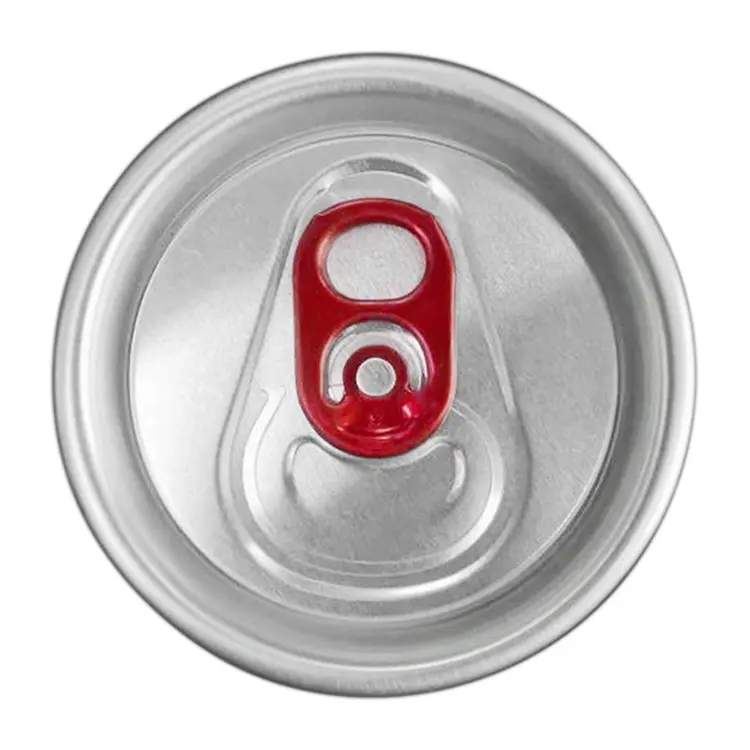
Structurally, CDL Can Ends are precision-engineered metal closures installed at the top of aluminum beverage cans. Through high-precision seaming processes, they are tightly integrated with the can body to create a fully hermetic seal.
However, from an industrial perspective, they are far more than simple lids. They represent a complete sealing engineering system with core functions including:
- Creating a fully airtight barrier against external air and moisture
- Maintaining internal pressure stability, especially for carbonated beverages
- Preventing microbial contamination and oxidation reactions
- Ensuring structural consistency in high-speed production environments
- Providing standardized opening functionality for consumer convenience
Because they fulfill so many critical roles simultaneously, CDL Can Ends are considered the “invisible core component” of beverage packaging systems.
Why Are CDL Can Ends Critical for Beverage Safety?
Beverage safety is not determined solely by formulation; it is heavily dependent on the reliability of the packaging sealing system. Even microscopic defects in the sealing structure can lead to irreversible issues during transportation or storage, such as gas leakage, oxidation, or microbial contamination.
CDL Can Ends serve as the first line of defense in this process. Through precision seaming, they rapidly form a stable sealed environment that isolates the beverage from external conditions.
For carbonated beverages, this is especially important because internal pressure directly determines taste quality. If the seal is unstable, carbon dioxide gradually escapes, resulting in flat beverages and a significant loss of flavor integrity.
For beer and functional beverages, oxidation is equally critical. CDL Can Ends help block oxygen ingress and preserve flavor stability throughout the product lifecycle.
The Role of CDL Can Ends in High-Speed Industrial Production
Modern beverage production lines operate at extremely high speeds, with some factories processing thousands of cans per minute. In such environments, CDL Can Ends must maintain absolute consistency and mechanical reliability.
Their industrial requirements can be summarized in three key aspects:
First, dimensional precision must be extremely stable, as even minor deviations can affect seaming quality or cause equipment shutdowns.
Second, material structure must balance strength and ductility to withstand instantaneous pressure during high-speed stamping and sealing processes.
Third, batch-to-batch consistency must be highly reliable to ensure uninterrupted production line operation.
In modern automated factories, the quality of CDL Can Ends directly determines whether production lines can operate continuously and efficiently, making them an integral part of the manufacturing system rather than a simple packaging accessory.
How Do CDL Can Ends Influence Consumer Experience?
Although consumers rarely notice CDL Can Ends directly, they significantly affect the user experience, especially during opening.
A well-designed can end must balance sealing strength with ease of opening. This means it must ensure safety while allowing consumers to open the can smoothly with appropriate force.
If the opening resistance is too high, it negatively affects user experience; if the structure is too weak, it may create safety risks. Therefore, CDL Can Ends design is essentially a form of precision human–machine interaction optimization.
Additionally, opening sound, tactile feedback, and edge safety all contribute to how consumers perceive product quality. In many cases, smooth opening performance is subconsciously associated with premium product quality.
The Role of CDL Can Ends in Global Logistics Systems
In global supply chains, beverage products undergo long-distance transportation, multiple handling stages, and varying environmental conditions. This places extremely high demands on packaging sealing systems.
CDL Can Ends play a crucial protective role by ensuring that products remain securely sealed throughout the entire logistics process.
For example, in high-temperature environments, internal pressure may fluctuate; during long transit periods, minor structural defects can expand into serious failures. Without reliable can ends, product loss rates would increase significantly.
For export-oriented beverage companies, this directly affects profitability, as any leakage or spoilage can result in entire shipment losses.
Therefore, high-quality CDL Can Ends are not only quality assurance components but also critical supply chain risk control tools.
CDL Can Ends and Brand Competitiveness
In modern beverage markets, packaging has become a key component of brand competitiveness, and CDL Can Ends are an essential technical element within this system.
Stable sealing performance reduces customer complaints and ensures product consistency. Smooth opening experience enhances consumer satisfaction. Reliable transportation performance strengthens brand trust.
Together, these factors contribute to a brand’s “invisible quality asset.”
In highly competitive beverage categories such as energy drinks, sparkling water, and functional beverages, consumers often judge product quality based on packaging experience rather than formulation differences alone.
Therefore, CDL Can Ends play a direct role in shaping brand value perception.
Expansion Trends of CDL Can Ends Applications
As beverage markets continue to diversify, the application scope of CDL Can Ends is also expanding.
Beyond traditional carbonated drinks and beer, they are widely used in energy drinks, ready-to-drink coffee, sparkling water, and functional beverages.
These product categories typically require higher sealing performance and greater convenience, driving continuous innovation in can end technology.
In the future, with the continued growth of health-focused and functional beverages, demand for CDL Can Ends is expected to expand further, along with higher safety standards and more advanced engineering requirements.
About Packfine
Packfine is a professional manufacturer specializing in aluminum beverage cans, CDL Can Ends, and metal packaging solutions for the global food and beverage industry.
The company provides high-quality CDL Can Ends widely used in beer, soft drinks, energy drinks, and functional beverage packaging systems. With advanced automated production lines, strict quality inspection systems, and OEM/ODM customization capabilities, Packfine delivers stable and reliable sealing solutions for global beverage brands.
FAQ
1、What is the core function of CDL Can Ends in beverage packaging?
Their core function is to provide an airtight seal that prevents air and contaminants from entering, ensuring product stability throughout production, transportation, and consumption.
2、Do CDL Can Ends affect beverage taste?
Yes. Poor sealing can lead to gas loss or oxidation, which significantly alters flavor and freshness.
3、Are CDL Can Ends suitable for high-speed automated production?
Yes. They are designed according to strict industrial standards to ensure stable compatibility with high-speed filling and seaming systems.
4、Why do export beverages rely heavily on high-quality CDL Can Ends?
Because long-distance transportation environments are complex, high-quality sealing systems help prevent leakage and spoilage, ensuring product integrity across global supply chains.
Post time: May-27-2026