


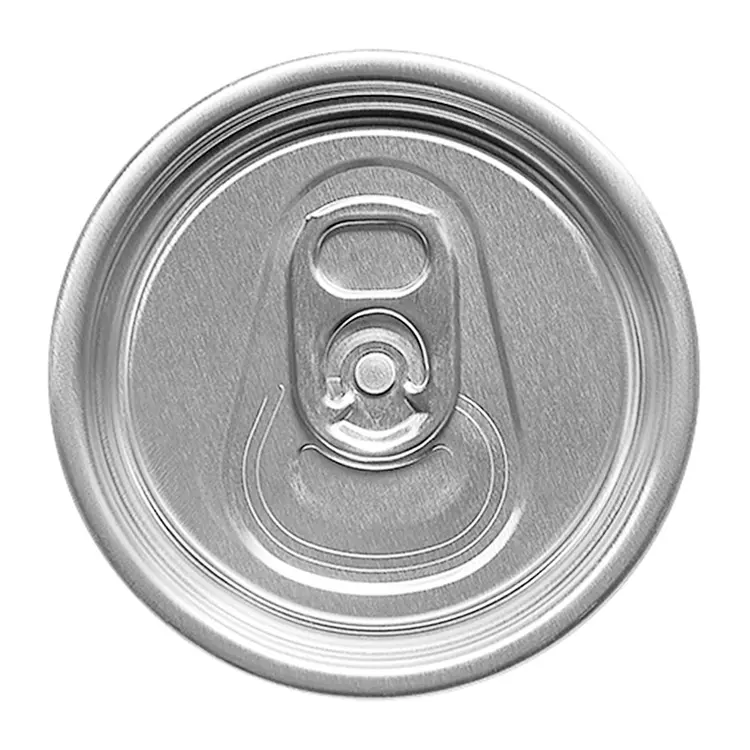
A 202 can end is a key component in aluminum beverage packaging, especially for beer, carbonated drinks, energy drinks, sparkling water, juice, ready-to-drink tea, and other canned beverages. Although it is only one part of the package, the can end directly affects sealing performance, filling efficiency, transportation safety, shelf life, and the consumer’s opening experience.
For buyers and beverage brands, understanding 202 can end specifications is not just a technical detail. It is an important step in reducing packaging risk. A suitable can end must match the can body, seaming machine, filling process, internal pressure, coating requirements, and final market conditions. When the specification is not accurate, problems such as leakage, poor opening, unstable seams, deformation, or production downtime may occur.
A reliable 202 can end should offer more than basic dimensional matching. It should provide consistent size control, smooth feeding performance, stable coating quality, controlled opening strength, and reliable batch consistency. These details help beverage packaging lines run smoothly and help finished products reach the market in good condition.
Understanding the 202 Can End Size
The term 202 can end usually refers to a can end with a nominal diameter of 2 and 2/16 inches, which is about 54 mm. This size is widely used in aluminum beverage cans because it supports a practical balance between package strength, material efficiency, and consumer convenience.
However, buyers should not treat “202” as the only specification. A complete 202 can end specification may include material grade, thickness, curl design, panel structure, tab type, rivet strength, score line design, internal coating, external finish, packing method, and seaming compatibility.
In beverage packaging, even small differences can matter. A slight variation in curl shape may affect the double seam. An unstable score line may affect opening performance. A coating mismatch may influence product taste or shelf stability. This is why professional specification confirmation is necessary before mass production.
Why Dimensional Accuracy Matters in High-Speed Production
Beverage filling lines usually run at high speed, so the 202 can end must feed, position, and seal smoothly. If the can end is not consistent in size, the production line may face frequent adjustment, higher rejection rates, or unexpected downtime.
Dimensional accuracy mainly affects three areas:
- Feeding stability: The can end should move smoothly through automatic feeding systems without jamming or deformation.
- Seaming performance: The curl and panel structure should support a stable double seam with the can body.
- Opening reliability: The tab, rivet, and score line should maintain consistent opening force.
For large-volume beverage production, consistency is often more valuable than a single good sample. A stable batch of 202 can ends helps reduce production waste and supports more predictable filling performance.
Material Selection for 202 Can Ends
Most 202 can ends for beverage cans are made from aluminum. Aluminum is lightweight, formable, corrosion-resistant, and suitable for high-speed beverage packaging. It also supports the lightweight trend in modern metal packaging, helping reduce transportation weight while maintaining package strength.
The material should provide enough strength to resist internal pressure during filling, pasteurization, storage, and transportation. This is especially important for beer, carbonated drinks, sparkling water, and energy drinks, because these products may create pressure inside the can.
Material quality also affects forming stability. A well-controlled aluminum can end should have clean surface quality, stable thickness, and good structural performance after forming. These factors help the can end maintain reliable sealing and opening performance throughout the production and distribution process.
Internal Coating and Beverage Compatibility
The internal coating of a 202 can end plays an important role in protecting beverage quality. Many drinks contain acid, sugar, alcohol, carbonation, flavoring ingredients, or functional additives. If the coating is not suitable, the beverage may react with the metal surface, which can affect taste, appearance, or shelf life.
A stable coating helps reduce the risk of corrosion and supports product safety during long-term storage. Different beverage categories may require different coating performance. Beer packaging needs strong flavor protection. Carbonated drinks require pressure resistance and coating stability. Energy drinks and acidic beverages often need better corrosion resistance. Ready-to-drink tea and coffee may have different requirements depending on formula and filling process.
For this reason, coating should be selected according to the actual beverage, not only according to the can end size. A well-matched internal lacquer helps the final package remain stable from filling to retail display.
Tab and Score Design Affect Consumer Experience
Consumers usually judge a can by how it opens. A 202 can end should be strong during transportation but easy to open when used. The tab, rivet, and score line must work together to create a smooth and safe opening experience.
If the score line is too deep or too weak, the can end may be damaged during handling or transportation. If the score line is too strong, consumers may find the can difficult to open. If the tab strength is not stable, the tab may bend or break before the can opens.
A good 202 can end should provide controlled opening force, stable tab lifting, and a clean opening area. This is especially important for beverages sold through supermarkets, convenience stores, vending machines, restaurants, bars, and online retail channels, where user experience can influence repeat purchases.
Matching 202 Can Ends with Different Beverage Applications
The same 202 can end size may be used in different beverage categories, but the technical focus can vary.
For beer cans, sealing performance, internal coating, and pressure resistance are important because beer is sensitive to flavor changes and storage conditions. For carbonated drinks and sparkling water, the can end must maintain reliable pressure resistance and prevent gas loss. For energy drinks, coating compatibility and stable sealing are important because the formula may contain acids, sugars, and functional ingredients. For juice, tea, and coffee beverages, buyers should pay close attention to coating performance, sterilization conditions, and shelf life requirements.
This application-based selection helps avoid using one general specification for all products. A suitable 202 can end should be chosen according to beverage type, filling temperature, processing method, storage time, and distribution environment.
Quality Consistency for Long-Term Packaging Stability
For beverage packaging, quality consistency is essential. A 202 can end must not only perform well in one test; it should remain stable in repeated production batches. Consistent size, clean surface, stable coating, reliable tab strength, and accurate score control all contribute to smoother production.
Good batch consistency helps reduce machine adjustment, product waste, customer complaints, and delivery uncertainty. It also supports beverage brands that need stable packaging performance for different markets, seasons, and production schedules.
When can ends are used in export packaging, transportation conditions should also be considered. Long-distance shipping may involve vibration, stacking pressure, humidity, and temperature changes. A stable can end helps protect the beverage and maintain package integrity until the product reaches consumers.
Conclusion
Understanding 202 can end specifications helps buyers choose a can end that supports stable beverage packaging. A suitable 202 can end should not only match the nominal size but also provide reliable material strength, coating compatibility, seaming performance, tab stability, and batch consistency.
For aluminum beverage cans, the can end protects the drink, supports high-speed filling, maintains product quality, and improves consumer experience. Careful specification confirmation and production testing can reduce leakage, downtime, packaging waste, and market complaints. In competitive beverage packaging, a stable and well-matched 202 can end is an important part of building reliable products for the market.
FAQ
1. What is a 202 can end?
A 202 can end is a commonly used aluminum can end size for beverage cans. The “202” code usually refers to a nominal diameter of 2 and 2/16 inches, or about 54 mm. It is widely used for beer, carbonated drinks, energy drinks, sparkling water, and other canned beverages.
2. What should be included in 202 can end specifications?
202 can end specifications should include size, material, thickness, coating, tab type, score design, curl structure, seaming compatibility, packing method, and application requirements. These details help ensure that the can end matches the can body and filling line.
3. Why is coating important for a 202 can end?
The internal coating helps prevent direct contact between the beverage and the metal surface. It supports flavor stability, corrosion resistance, product safety, and shelf life, especially for beer, acidic drinks, carbonated beverages, and energy drinks.
4. Should 202 can ends be tested before mass production?
Yes. Testing is recommended before large-volume production because the can end must match the actual can body, filling process, and seaming equipment. Testing helps confirm feeding stability, sealing performance, leakage resistance, and opening quality.
Post time: Jun-24-2026