


Slim 250ml cans have become a widely adopted packaging format across the global beverage industry due to their compact design, efficient storage capabilities, and strong visual appeal on retail shelves. As consumer demand continues to shift toward convenience and portability, this specific can size is increasingly used for energy drinks, sparkling water, ready-to-drink coffee, and functional beverages.
In this article, we will explore what makes the slim 250ml can structure unique, how it is manufactured, where it is commonly applied, and why brands are increasingly choosing it as a strategic packaging solution for product differentiation and market expansion.
Structural Design and Material Characteristics of Slim 250ml Can Packaging
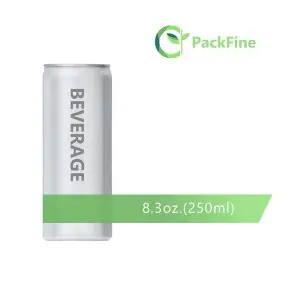
The slim 250ml can is engineered with a tall and narrow cylindrical body that improves grip ergonomics while optimizing shelf utilization. Compared with traditional aluminum cans, it offers a more premium and modern visual profile, making it especially suitable for products targeting younger and urban consumer segments.
In most cases, the can is produced using high-grade aluminum alloy materials that ensure durability, corrosion resistance, and full recyclability. The internal coating is designed to prevent direct contact between the beverage and aluminum surface, maintaining product stability and taste integrity over time. The printing surface supports high-resolution branding, enabling vivid color expression and advanced marketing visuals.
Manufacturing processes typically involve deep drawing and ironing techniques, which allow the can body to be formed with consistent wall thickness and smooth surface quality. This ensures both structural strength and compatibility with high-speed filling production lines.
Why Brands Choose Slim 250ml Can for Beverage Packaging Strategy
The increasing popularity of slim can formats is not accidental; it is driven by clear functional and commercial advantages that align with modern retail and consumption behaviors. Beverage companies prioritize packaging that not only protects the product but also enhances brand visibility and user experience.
● Space-efficient design that maximizes transportation and storage efficiency across supply chains
● Enhanced shelf visibility due to elongated vertical structure that stands out among standard can formats
● Strong portability that supports on-the-go consumption scenarios such as commuting, sports, and travel
● Premium brand positioning effect that helps products appear more modern and lifestyle-oriented
● High compatibility with carbonation and energy drink formulations that require stable internal pressure resistance
● Fully recyclable aluminum material that supports sustainability goals and environmental compliance initiatives
These advantages collectively make the slim 250ml can an effective choice for both emerging beverage startups and established global brands seeking product differentiation in competitive retail environments.
Application Scenarios Across Different Beverage Categories
Slim 250ml cans are widely used across multiple beverage sectors, each leveraging the format for specific marketing and functional reasons. In the energy drink industry, the size is considered ideal for single-use consumption, delivering a concentrated functional boost without excess volume. In sparkling water and soda markets, it provides portion control while maintaining freshness and carbonation stability.
Ready-to-drink coffee and tea brands also prefer this format because it aligns with fast-paced consumer lifestyles where convenience and portability are essential. Additionally, alcoholic beverage alternatives and functional wellness drinks increasingly adopt this packaging style to align with premium branding and lifestyle positioning strategies.
From retail shelves to vending machines and convenience stores, the slim 250ml can consistently performs well due to its standardized dimensions and high stacking efficiency, which allows retailers to optimize display density without compromising product accessibility.
Sustainability and Environmental Impact Considerations
Sustainability has become a key factor in packaging selection, and aluminum slim cans are widely recognized for their recyclability and low environmental impact compared to many alternative packaging formats. Aluminum can be recycled repeatedly without loss of quality, making it a valuable material within circular economy systems.
The slim 250ml format also contributes to reduced material usage compared to larger containers, which helps lower overall resource consumption during production. Additionally, its lightweight nature reduces transportation emissions by improving load efficiency in logistics operations.
Many beverage companies now emphasize eco-friendly packaging strategies, and adopting slim aluminum cans supports corporate sustainability goals while also meeting increasing consumer expectations for environmentally responsible products.
Market Trends Driving the Growth of Slim 250ml Can Packaging
The global beverage packaging industry continues to evolve under the influence of lifestyle changes, retail innovation, and sustainability pressures. Slim cans are gaining traction not only because of their functional advantages but also due to their strong alignment with modern branding aesthetics.
Consumers increasingly prefer products that are easy to carry, visually appealing, and portion-controlled, all of which are naturally supported by the slim 250ml can structure. At the same time, e-commerce growth has increased demand for packaging that is durable during shipping while maintaining premium presentation upon delivery.
Retail environments such as convenience stores, gyms, and vending machines further reinforce the demand for compact and standardized packaging formats, making slim cans an optimal choice for high-frequency consumption products.
Conclusion
Slim 250ml cans have evolved into a key packaging solution for modern beverage companies seeking efficiency, sustainability, and strong market differentiation. Their combination of structural performance, branding flexibility, and environmental benefits makes them highly relevant in today’s fast-changing consumer landscape.
As demand continues to grow across multiple beverage categories, this format is expected to remain a strategic choice for brands aiming to balance functionality with visual impact in both retail and distribution channels.
FAQ
1. What types of beverages are best suited for slim 250ml cans?
Slim 250ml cans are most commonly used for energy drinks, sparkling water, soda, ready-to-drink coffee, and functional beverages because they provide a convenient single-serving size that preserves freshness and supports fast consumption.
2. Are slim 250ml cans environmentally friendly?
Yes, they are made from aluminum, which is fully recyclable and can be reused indefinitely without quality degradation, making them one of the most sustainable packaging options available in the beverage industry.
3. Can slim 250ml cans be customized for branding purposes?
They offer extensive customization options, including full-body printing, surface finishes, embossing effects, and color matching systems, allowing brands to create highly distinctive packaging designs.
4. What is the main advantage of using slim cans instead of standard cans?
The primary advantage lies in their space-saving design and premium visual appeal, which improves shelf presence, enhances portability, and supports modern brand positioning strategies.
Post time: Jun-01-2026