


In today’s packaging industry, the can lid plays a much more important role than many people realize. It is not just a simple sealing component placed on top of a container. Instead, it directly affects product freshness, safety, shelf life, user experience, and even brand perception. From beverages and canned food to industrial chemicals and pet food, can lids are a key part of global supply chains and high-speed automated filling systems.
As consumer expectations continue to rise, manufacturers are paying more attention to sealing performance, material selection, and opening convenience. Understanding can lids helps businesses choose better packaging solutions and improve product competitiveness in the global market.
What Is a Can Lid and How Does It Work in Packaging Systems
A can lid is the sealing component used to close a metal or composite can after it is filled with a product. It is designed to create an airtight and sometimes pressure-resistant seal, depending on the application.
In most industrial production lines, can lids are applied using automated sealing machines. The lid is positioned on the can body, and then a sealing process locks it tightly in place. This process ensures that the contents remain protected from air, moisture, bacteria, and external contamination.
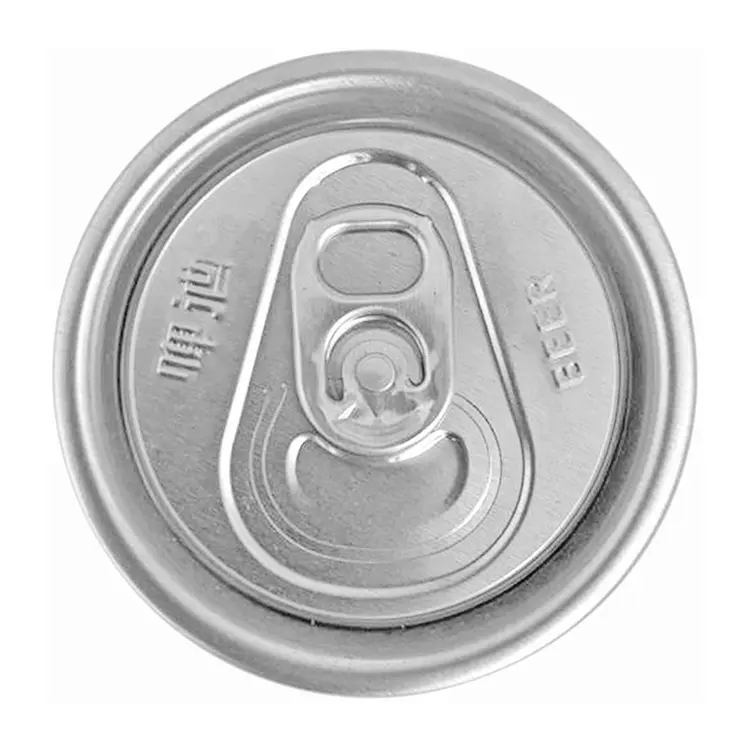
Different types of cans require different lid structures. For example, beverage cans often use easy-open lids with pull tabs, while food cans may require full-aperture or peelable designs depending on product usage requirements.
The performance of a can lid depends on multiple factors such as aluminum or tinplate material quality, sealing compound consistency, and precision engineering of the scoring lines for easy opening.
Why Do Can Lids Matter for Product Freshness and Safety
One of the most important functions of a can lid is maintaining product integrity throughout storage and transportation. In industries like food and beverage, even a small sealing failure can lead to spoilage or contamination.
A high-quality can lid ensures:
- Strong airtight sealing to prevent oxygen entry
- Moisture resistance to protect dry or powdered goods
- Pressure stability for carbonated drinks
- Tamper-evident protection for consumer safety
For manufacturers, this directly affects shelf life and product reliability. For consumers, it impacts trust in the brand and overall satisfaction.
In global logistics, products often travel long distances under varying temperature conditions. A properly designed lid ensures that the product inside remains unchanged from factory to final destination.
What Materials Are Commonly Used in Can Lid Manufacturing
The performance of a can lid is heavily influenced by the materials used in its production. The most common materials include aluminum and tinplate, each offering different advantages.
Aluminum is widely used in beverage packaging because it is lightweight, corrosion-resistant, and easy to form into precise opening structures. It also supports high-speed production lines, making it ideal for mass-market drinks.
Tinplate is often used in food packaging due to its strength and durability. It provides excellent protection for products that require longer shelf life or higher structural integrity.
In many modern designs, internal coatings are also applied to prevent chemical reactions between the product and the metal surface. This is especially important for acidic foods, sauces, and carbonated beverages.
The combination of material selection and coating technology ensures both safety and performance in demanding applications.
How Do Different Types of Can Lids Meet Industry Needs
Can lids are not one-size-fits-all products. Different industries require different functional designs based on how the product will be used.
Some common types include:
- Easy-open lids for beverages and snacks
- Full-aperture lids for ready-to-eat foods
- Peel-off lids for dairy and powdered products
- Industrial sealed lids for chemicals or lubricants
Each design focuses on a specific user experience. For example, easy-open lids improve convenience for consumers, while full-aperture lids allow complete access to the product inside the container.
Industrial applications often prioritize sealing strength over convenience, especially when handling hazardous or sensitive materials. In these cases, safety becomes the primary design factor.
By matching lid design with product requirements, manufacturers can significantly improve usability and reduce packaging waste.
What Manufacturing Processes Ensure High-Quality Can Lids
The production of can lids requires precision engineering and strict quality control. Even small deviations can affect sealing performance or opening reliability.
Typical manufacturing steps include stamping, forming, scoring, coating, and inspection. Each step plays a critical role in ensuring consistency.
The scoring process is particularly important for easy-open lids. It creates a controlled breaking line that allows users to open the can with minimal force while still maintaining strong sealing integrity during storage.
Advanced factories use automated inspection systems to detect defects such as uneven edges, coating inconsistencies, or structural weaknesses. This helps reduce product failure rates and ensures compliance with international packaging standards.
High-speed production lines also require stable material feeding systems and accurate die-cutting technology to maintain efficiency without sacrificing quality.
How Can Lids Improve Branding and Consumer Experience
Beyond functionality, can lids also play a role in brand identity and customer experience. Packaging is often the first physical interaction a consumer has with a product, and the lid is a key part of that experience.
A well-designed can lid can enhance:
- Ease of opening without tools
- Smooth and safe edge finishing
- Visual appeal through printed or embossed designs
- Consumer trust through tamper-proof features
Brands in competitive markets often use customized lid designs to stand out on retail shelves. Even small improvements in opening comfort or appearance can influence repeat purchases.
In modern marketing, packaging is not just protection—it is communication. The can lid is part of that communication system between brand and consumer.
What Are the Main Challenges in Can Lid Production Today
Despite technological advancements, manufacturers still face several challenges in producing high-quality can lids.
One major challenge is balancing cost efficiency with performance. As raw material prices fluctuate, companies must optimize production without reducing sealing quality.
Another challenge is adapting to diverse product requirements. A single production line may need to handle multiple lid types, each requiring different tooling and calibration.
Environmental concerns are also becoming increasingly important. Manufacturers are exploring recyclable materials and reducing coating chemicals to meet sustainability standards.
Finally, maintaining consistent quality at high production speeds remains a technical challenge, especially for global suppliers serving large-scale beverage and food industries.
FAQ
1、What is the main purpose of a can lid
The main purpose of a can lid is to seal the container tightly, protecting the contents from air, moisture, contamination, and physical damage while maintaining freshness and safety.
2、Are all can lids made from aluminum
No, can lids are commonly made from aluminum or tinplate depending on the application. Aluminum is often used for beverages, while tinplate is widely used for food packaging and industrial products.
3、How do easy-open can lids work
Easy-open can lids use a pre-scored opening line and a pull tab. When the tab is lifted, the scoring weakens the metal along a controlled path, allowing the lid to open smoothly without tools.
4、Can can lids be recycled
Yes, most metal can lids made from aluminum or tinplate are recyclable. Proper recycling helps reduce environmental impact and supports sustainable packaging practices.
Post time: Jun-17-2026