


In today’s beverage market, consumers often make purchasing decisions within seconds. Before they taste a drink, they notice the packaging design, shape, color, and overall product impression. This is why more beverage brands are choosing slim cans as a way to create stronger visual identity and improve shelf recognition.
Unlike traditional beverage cans with wider and shorter shapes, slim cans feature a taller and narrower design that creates a more premium and modern appearance. This packaging format has become especially popular in energy drinks, sparkling water, functional beverages, ready-to-drink coffee, and lifestyle-focused beverage categories.
However, slim cans are not simply a different container shape. For many brands, they represent a packaging strategy that connects product positioning, consumer lifestyle, and brand communication. The right can format can help a product look more distinctive, easier to recognize, and more attractive in highly competitive retail environments.
Why Are Beverage Brands Moving Toward Slim Cans?
The growth of slim cans is closely related to changing consumer expectations. Modern consumers are not only looking for a beverage; they are also choosing products that match their lifestyle, personal preferences, and visual expectations.
Traditional beverage categories are becoming increasingly competitive. When multiple products are placed together on supermarket shelves, convenience stores, or online platforms, packaging appearance becomes an important factor in attracting attention.
Slim cans provide several advantages for brands:
- A more premium and fashionable appearance
- Stronger shelf differentiation compared with standard cans
- Easier handling and portability
- Better alignment with younger consumer preferences
- More vertical space for creative branding
For emerging beverage brands, this difference can be especially valuable because packaging helps create recognition before customers become familiar with the product itself.
Slim Cans vs Traditional Beverage Cans: More Than Just Shape
At first glance, the difference between slim cans and traditional cans appears to be only the shape. However, the impact goes beyond appearance.
Traditional aluminum cans have been widely accepted for decades because they are practical, efficient, and familiar to consumers. They remain a strong choice for mainstream products such as soda and beer.
Slim cans, on the other hand, are often selected by brands that want to communicate a different market position.
| Comparison | Slim Cans | Traditional Aluminum Cans |
|---|---|---|
| Visual impression | Modern, premium, lifestyle-oriented | Classic, familiar, mass-market |
| Common categories | Energy drinks, sparkling water, coffee, functional drinks | Soda, beer, mainstream beverages |
| Brand communication | Strong differentiation and premium feeling | Stable and widely recognized |
| Consumer perception | Trend-focused and convenient | Practical and familiar |
| Shelf impact | Easier to stand out visually | Relies more on brand recognition |
The choice between slim cans and traditional cans should depend on the brand’s target audience, product category, and marketing strategy.
Why Slim Cans Work Well for Premium and Lifestyle Beverages
Many premium beverage brands use packaging as part of their storytelling. A product is no longer only about taste; it represents a lifestyle, activity, or personal choice.
Slim cans are commonly associated with:
- Fitness and active lifestyles
- Energy and performance
- Health-conscious choices
- Modern urban consumption
- Premium everyday products
For example, an energy drink brand may use a slim can to create a stronger connection with sports, movement, and younger consumers. A sparkling water brand may choose slim cans to communicate simplicity, freshness, and a cleaner lifestyle image.
The shape itself becomes part of the brand message.
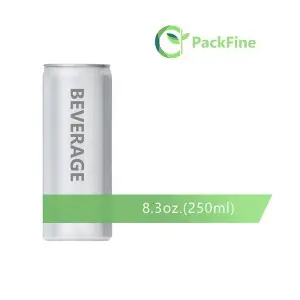
Slim Cans Create More Opportunities for Packaging Design
One reason brands prefer slim cans is the larger vertical design area. Compared with shorter cans, slim cans provide a taller surface that allows designers to create stronger visual effects.
This additional space can be used for:
- Brand logos
- Product stories
- Creative patterns
- Ingredient information
- Limited edition designs
- Premium visual effects
For new beverage brands entering crowded markets, this design flexibility can help create stronger product recognition.
A well-designed slim can does not only contain a beverage; it becomes a marketing tool that communicates brand value directly on the shelf.
Choosing the Right Slim Can for Different Beverage Categories
Although slim cans are popular, not every product automatically needs this format. The best choice depends on the beverage category and customer expectations.
Energy drinks often benefit from slim cans because the shape matches an active and dynamic brand image.
Functional beverages use slim cans because they support premium positioning and modern health-focused communication.
Ready-to-drink coffee brands often choose slim cans because the format fits office, travel, and convenience consumption scenarios.
Sparkling water brands use slim cans because the design creates a clean and refreshing visual impression.
Premium soft drinks may choose slim cans to separate themselves from traditional beverage products and create a stronger market identity.
The key is not choosing the most fashionable packaging, but choosing the packaging that matches the product story.
How Packaging Format Influences Consumer Decisions
Packaging plays an important role in first impressions. In many retail situations, consumers may not know a new beverage brand before seeing it on the shelf. The can shape, design, and overall appearance become part of the buying decision.
Slim cans can influence consumer perception by creating associations with:
- Premium quality
- Modern lifestyle
- Convenience
- Innovation
- Better portability
For brands entering international markets, this visual advantage can help products communicate their positioning even before consumers understand the brand name.
Supporting Different Beverage Packaging Requirements
A successful slim can project requires more than choosing an attractive appearance. The packaging format needs to support the entire product journey, from brand design and production planning to market presentation.
Packfine focuses on aluminum cans, empty aluminum cans, can ends, easy open ends, and related metal packaging components for beverage and consumer product applications.
For brands exploring slim can packaging, the important consideration is creating a balanced solution that combines visual appeal with practical packaging requirements. Different beverage categories may require different can formats, surface designs, and packaging combinations to achieve the best market result.
By considering the product category, target consumers, branding strategy, and packaging system together, brands can choose slim cans that are not only attractive but also suitable for long-term market development.
Conclusion
Slim cans have become more than a packaging trend. They represent a modern approach to beverage branding, helping products achieve stronger visual identity and better consumer connection.
For beverage companies, choosing a can format is not only a production decision but also a marketing decision. A suitable slim can design can help products stand out on shelves, communicate brand values, and create a more memorable experience for consumers.
As beverage markets continue to evolve, slim cans will remain an important packaging option for brands looking for a combination of style, convenience, and market differentiation.
FAQ
1. What beverages commonly use slim cans?
Slim cans are commonly used for energy drinks, sparkling water, functional beverages, ready-to-drink coffee, and premium soft drinks because they provide a modern and differentiated appearance.
2. Why do brands choose slim cans instead of traditional cans?
Brands choose slim cans because they offer stronger visual differentiation, premium positioning, better portability, and more opportunities for creative packaging design.
3. Are slim cans only suitable for premium beverages?
No. Slim cans can be used for different beverage categories. However, they are especially effective for products that focus on lifestyle, innovation, and brand differentiation.
4. Can slim cans be customized with brand designs?
Yes. Slim cans can support customized printing and surface designs, allowing brands to create unique packaging that matches their marketing strategy.
Post time: Jul-08-2026