


In metal packaging, can ends play a much bigger role than simply closing a can. They help protect the product inside, support stable sealing, improve shelf life, and influence how consumers open and use the package. For beverage cans, food cans, powder cans, pet food cans, and other aluminum or tinplate packaging, the quality of can ends can directly affect production efficiency and market performance.
A can body may attract attention because of its shape, size, or printing design, but the can end is one of the most important parts for packaging safety. If the end does not seal correctly, the product may leak, lose pressure, become contaminated, or fail during transportation. If the opening structure is not stable, consumers may experience broken tabs, difficult opening, or rough edges. Because of this, choosing the right can ends is an important step for brands and packaging factories that want reliable metal packaging.
Can Ends Are the First Line of Packaging Protection
The main job of can ends is to create a secure closure between the can body and the product environment. After filling, the can end is sealed onto the can body through the seaming process. This sealed structure helps block oxygen, moisture, dust, microorganisms, and external contamination.
For beverages, can ends must also help maintain internal pressure. Carbonated drinks, beer, sparkling water, and energy drinks require stable sealing to prevent gas loss and preserve taste. For food products, can ends must withstand processing conditions such as sterilization, heating, cooling, storage, and long-distance transport. For dry products such as milk powder, coffee, nuts, and nutritional powders, can ends help reduce moisture risk and protect freshness.
This is why can ends should be evaluated according to real application conditions, not only by size or price. A stable end design can reduce leakage, deformation, production waste, and customer complaints.
Different Can Ends for Different Packaging Needs
Not all can ends are used in the same way. The right choice depends on the product category, can material, filling method, storage environment, and consumer usage habits.
For beverage packaging, aluminum can ends are widely used because they are lightweight, suitable for high-speed production, and compatible with modern aluminum can bodies. Common beverage applications include beer, soda, sparkling water, juice, energy drinks, ready-to-drink tea, and canned coffee. These products often require stable pressure resistance, smooth opening, and reliable coating performance.
For food packaging, can ends may need stronger resistance to heat, oil, salt, acid, and sterilization conditions. Canned fruits, vegetables, sauces, fish, meat products, and pet food all require secure sealing and suitable internal coating. In many food applications, easy open ends are preferred because they improve consumer convenience.
For powder and dry product packaging, can ends must support moisture protection and clean appearance. Milk powder, coffee, tea, nuts, and nutritional products need packaging that keeps the product dry and easy to store.
Seaming Compatibility Matters More Than Many Buyers Expect
A high-quality can end must work together with the can body and seaming machine. Even if the can end looks correct, small differences in curl shape, diameter tolerance, material thickness, or panel structure can affect the double seam.
The double seam is the key sealing area of metal cans. If the seam is too loose, the can may leak. If the seam is too tight or uneven, the lid or body may deform. If the can end does not feed smoothly into the production line, the factory may face machine stoppage, higher rejection rates, and unnecessary material waste.
Before mass production, can ends should be tested with the actual can body and sealing equipment. This helps confirm feeding performance, seam quality, leakage resistance, and production stability. For high-speed filling lines, this step is especially important because even a small mismatch can become costly when production volume increases.
Material and Coating Influence Product Stability
Can ends are commonly made from aluminum or tinplate. Aluminum ends are often used for beverage cans because of their light weight, good forming performance, and compatibility with high-speed filling. Tinplate ends are often used in food and other packaging applications where mechanical strength and sealing stability are important.
However, the material is only one part of the decision. The internal coating is also critical, especially for food and beverage packaging. Products with acid, sugar, alcohol, oil, salt, or strong flavor may react with metal if the coating is not suitable. A stable internal coating helps protect flavor, appearance, product safety, and shelf life.
Different products may require different coating performance. Beer needs flavor protection and pressure stability. Carbonated drinks need sealing reliability and coating resistance. Pet food and canned food may require resistance to oil, salt, and sterilization. Dry products need moisture protection and clean inner surfaces. Matching the coating to the product is one of the most important steps in can end selection.
Easy Open Ends Improve Consumer Experience
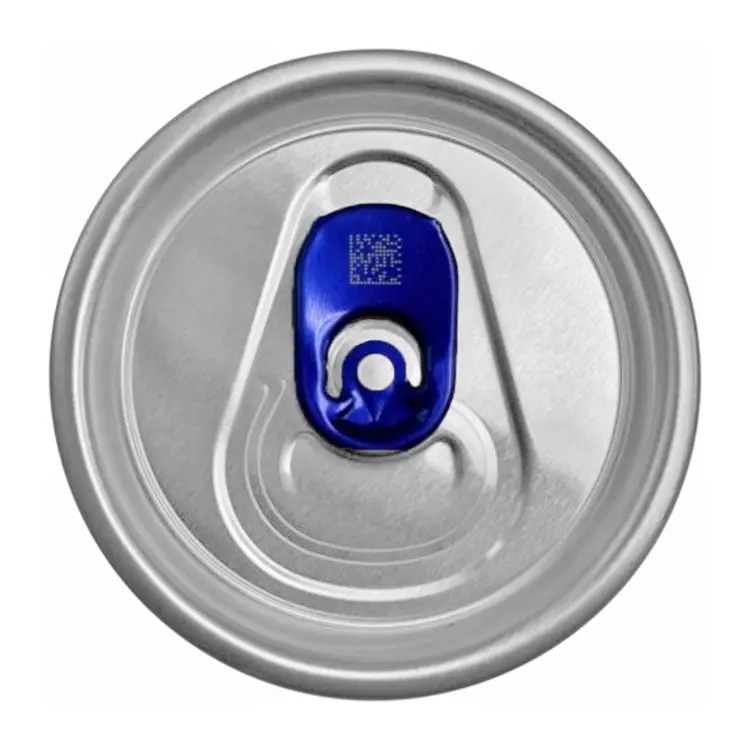
Many modern can ends are designed with easy-open structures. An easy open end includes a pull tab, rivet, score line, and opening panel. This design allows consumers to open the can without using additional tools.
For food, pet food, coffee, milk powder, and some beverage applications, easy open ends can improve product convenience and market appeal. A good easy open end should be easy to lift, smooth to open, and strong enough to remain safe during transport and storage.
Opening performance depends on score control, tab strength, rivet stability, and material quality. If the score line is too weak, the can end may be damaged before use. If it is too strong, consumers may find it difficult to open. If the tab is unstable, it may bend or break. Stable opening performance helps improve consumer trust and reduces negative feedback after purchase.
Can Ends for Aluminum Beverage Packaging
In aluminum beverage packaging, can ends must support speed, pressure, appearance, and convenience at the same time. Beverage brands often use different can formats, such as standard cans, sleek cans, and slim cans. Each format may require accurate size matching and stable seaming performance.
For example, beer and carbonated beverage cans need can ends that can resist internal pressure and maintain gas retention. Energy drink cans need stable sealing and coating compatibility because formulas may include acids, sugars, and functional ingredients. Ready-to-drink tea and coffee may need coating performance that supports flavor stability during storage.
A well-matched can end can help filling lines run smoothly, reduce downtime, and protect the finished product during transportation. For brands that sell through supermarkets, convenience stores, vending machines, restaurants, and online channels, stable packaging quality also helps improve consumer confidence.
Conclusion
Can ends are essential components in metal packaging because they affect sealing safety, filling efficiency, product freshness, transportation stability, and consumer experience. A suitable can end should match the can body, product contents, filling process, coating requirements, seaming equipment, and final market use.
For beverage, food, powder, and pet food packaging, stable can ends can help reduce leakage, deformation, production waste, and customer complaints. By focusing on size accuracy, material selection, coating quality, opening performance, and batch consistency, buyers can build more reliable packaging and support better product performance in the market.
FAQ
1. What are can ends used for?
Can ends are used to seal metal cans and protect the contents from oxygen, moisture, leakage, dust, and external contamination. They are widely used for beverages, canned food, pet food, milk powder, coffee, nuts, and other packaged products.
2. What materials are commonly used for can ends?
Can ends are commonly made from aluminum or tinplate. Aluminum can ends are often used for beverage cans because they are lightweight and suitable for high-speed production, while tinplate ends are often used for food cans and applications requiring strong sealing performance.
3. How do I choose the right can ends?
The right can ends should be selected according to can body size, product type, material, coating, filling process, seaming equipment, opening requirements, and storage conditions. Testing with the actual production line is recommended before mass production.
4. Why are easy open ends popular?
Easy open ends are popular because they allow consumers to open cans without additional tools. They improve convenience, product appeal, and user experience, especially for food cans, pet food cans, coffee cans, powder cans, and some beverage packaging.
Post time: Jun-26-2026