


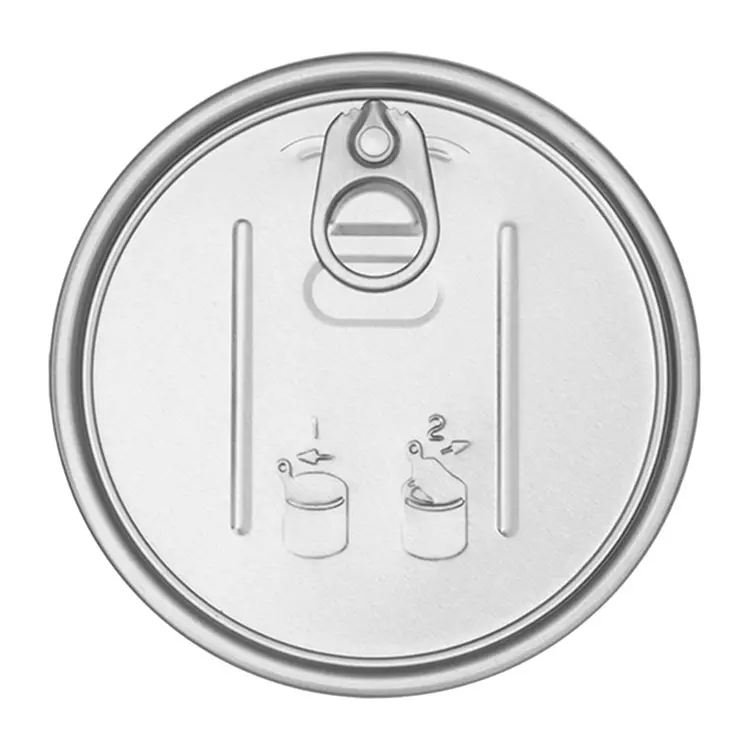
A full aperture can lid is designed to provide a larger opening area after the can is opened compared with traditional beverage can ends. Instead of creating only a small drinking opening, the full aperture design allows a larger portion of the can top to be removed or opened, improving access to the beverage inside.
The choice of can end is not only related to sealing performance. It also affects drinking experience, pouring convenience, product presentation and the overall packaging design. For certain beverage categories, a larger opening can solve practical problems that smaller openings cannot fully address.
When selecting a suitable can end, companies need to consider the beverage type, consumption method, filling requirements and packaging structure rather than focusing only on the appearance of the lid.
What Is a Full Aperture Can Lid?
A full aperture can lid is a type of aluminum can end that creates a wider opening across most of the top surface of the can after activation. Compared with standard easy open ends, which usually provide a smaller drinking hole, full aperture designs allow more direct access to the contents.
The main difference is the opening area.Traditional beverage can ends are designed mainly for controlled drinking through a smaller opening. Full aperture can lids create a wider access point, making them more suitable for products where consumers need easier pouring, better visibility or access to larger product pieces.
The design is especially relevant for products where the packaging experience is part of product usage.
What Problems Can Full Aperture Can Lids Solve?
1. Improving Pouring and Serving Convenience
One common limitation of smaller openings is restricted flow. When a beverage needs to be poured into another container, a larger opening can provide smoother movement and reduce splashing.
This can be useful for:
- ready-to-drink beverages;
- cocktail mixers;
- specialty drinks;
- products used for sharing or serving.
A full aperture design allows the contents to leave the can more freely, creating a different interaction compared with drinking directly through a small opening.
2. Enhancing Product Visibility
Packaging does not only protect a product; it also influences how people interact with it.
A larger opening allows easier visibility of the product inside after opening. This can be valuable for beverages containing visible ingredients, textured drinks or products where appearance contributes to the overall experience.
For example, drinks with particles, fruit elements or special formulations may benefit from a packaging format that allows easier access and observation.
3. Supporting Different Consumption Scenarios
Not every beverage is consumed in the same way.
Some products are designed for direct drinking, while others may be poured, mixed or shared. A standard easy open end may work well for traditional soft drinks, but products with different consumption habits may require a different opening solution.
A full aperture can lid provides more flexibility for these situations by creating a wider opening format.
Full Aperture Can Lids vs Standard Easy Open Ends
Although both solutions are used on aluminum cans, their functions are different.
| Feature | Full Aperture Can Lid | Standard Easy Open End |
|---|---|---|
| Opening size | Larger opening area | Smaller drinking opening |
| Main purpose | Easier access and pouring | Direct drinking convenience |
| Consumer experience | More open interaction | Controlled drinking |
| Suitable applications | Specialty beverages, sharing formats | Common canned drinks |
Neither design is suitable for every application. The correct choice depends on the beverage category, packaging objectives and production requirements.For high-volume beverage products, standard easy open ends remain widely used because they meet common drinking needs. For products requiring a different opening experience, full aperture designs can provide additional value.
Factors to Consider When Choosing Full Aperture Can Lids
Selecting a full aperture can lid requires more than choosing the opening style. Several technical and application factors should be considered.
Can Compatibility
The can body and can end must match correctly. Diameter, neck design, sealing structure and seaming requirements all influence final packaging performance.
A suitable can-end solution should be evaluated together with the selected aluminum can format rather than separately.
Beverage Characteristics
Different beverages create different packaging requirements.
Factors such as:
- carbonation level;
- viscosity;
- ingredients;
- filling process;
- storage conditions;
can influence whether a full aperture design is suitable.
Production Requirements
The selected can lid should also match existing production processes. Filling, seaming, inspection and packaging systems need to work consistently with the selected can and end combination.
Early technical confirmation helps avoid adjustments after packaging materials have already been prepared.
Why Can End Selection Matters in Beverage Packaging
The can end is often a small component compared with the whole package, but it directly affects sealing, opening experience and product interaction.
A well-matched can end helps maintain:
- reliable sealing performance;
- consistent opening function;
- suitable drinking experience;
- compatibility with the overall can structure.
For beverage companies managing multiple products, the can end should be considered as part of the complete packaging system, together with can capacity, body design, printing requirements and production conditions.
Building Flexible Beverage Packaging Solutions
As beverage categories continue to diversify, packaging requirements are becoming more specialized. Different products may require different combinations of can sizes, printed designs and can-end structures.
Packfine provides aluminum beverage cans and can end solutions, including different can formats, capacities and lid options. With support for blank cans, printed cans and matching can ends, Packfine helps beverage projects develop packaging structures that fit different product requirements and future SKU expansion.
A complete packaging approach allows different beverage products to maintain consistency while adapting to specific consumption scenarios.
FAQ
What is a full aperture can lid?
A full aperture can lid is an aluminum can end designed to provide a larger opening area after opening, allowing easier access to the beverage compared with traditional smaller openings.
Are full aperture can lids suitable for all beverages?
No. The suitable can-end type depends on the beverage category, consumption method, filling process and packaging requirements.
What is the difference between full aperture and easy open ends?
The main difference is the opening size. Full aperture can lids provide a wider opening, while standard easy open ends are designed mainly for controlled direct drinking.
Can full aperture can lids be used with aluminum beverage cans?
Yes, but compatibility between the can body and can end needs to be confirmed according to the selected specifications and production requirements.
Why is can end selection important?
The can end affects sealing performance, opening experience and compatibility with the overall beverage packaging system. Choosing the correct end helps ensure stable packaging performance.
Post time: Sep-20-2026