


Color printed can ends are more than functional components of beverage packaging. They provide an additional surface for brand identification, product information, and visual coordination with the can body. However, ordering printed can ends requires more than submitting a logo or selecting a color. Specifications, artwork, printing requirements, and compatibility with the can body must all be confirmed before production.
For beverage brands planning customized aluminum packaging, understanding these details can help prevent avoidable mistakes, reduce approval delays, and improve the consistency of finished products. Before placing an order for Color Printed Can Ends, several practical factors deserve attention.
Confirm the Can End Specification First
The first step is identifying the correct can end, not choosing its printed design. A visually attractive design cannot compensate for an end that does not match the intended can body or closing equipment.
Can ends are available in different configurations, and the correct choice depends on the packaging system. Opening style, end dimensions, material, and compatibility with the can body all need to be considered together.
Before requesting a quotation, clarify the following information:
- Can body compatibility: Confirm the can format and the end specification required for the intended container.
- Opening design: Identify whether the application requires a particular easy-open configuration, such as a stay-on-tab design.
- Material requirements: Confirm the appropriate end material for the packaging application and production conditions.
- Production equipment: Check that the selected end can be processed by the available seaming equipment.
These details should be settled before artwork approval. Otherwise, a design may be prepared for a can end that is unsuitable for the actual packaging line, creating unnecessary revisions and delays.
Prepare Artwork That Fits the Available Printing Area
Once the can end specification is clear, the next step is preparing the artwork. Unlike a large can body, a can end provides a relatively limited printing area. This means the design needs to communicate the brand clearly without becoming visually crowded.
Logos, brand colors, short text, and graphic elements should be arranged according to the actual printable area. Small text and complicated details may become difficult to distinguish when reproduced on a compact metal surface.
Artwork should also account for the opening mechanism. The printed design must not interfere with functional areas or make important visual elements difficult to recognize. The final layout should follow the supplier’s artwork template and technical requirements rather than relying only on a general image of the can end.
Before submitting files, check that:
- The artwork uses the correct template and dimensions.
- Logos and essential elements are positioned within the printable area.
- Text remains readable at the actual reproduction size.
- Important graphics do not conflict with functional opening areas.
- The submitted file is complete and suitable for production review.
A clear, properly prepared design makes communication easier and reduces the risk of artwork changes after the order has entered the production process.
Check Color Accuracy and Visual Consistency
Color selection is one of the most important considerations when ordering Color Printed Can Ends. A brand may already have established colors for its beverage cans, logos, and promotional materials. The printed end should support that identity rather than introduce an unintended visual difference.
However, colors displayed on a computer screen do not always match the final printed result. Screen brightness, file settings, printing conditions, and the characteristics of the metal surface can all influence the appearance.
For this reason, color approval should not rely entirely on digital previews. Where available, printed samples or other agreed approval references provide a more practical basis for evaluating the result.
Pay particular attention to:
- Brand color matching: Confirm the intended color references and communicate any required color standards.
- Contrast: Make sure logos and text remain distinguishable from the background.
- Color coverage: Review whether the design requires large solid-color areas or several smaller printed elements.
- Visual consistency: Compare the printed end with the intended can body design under suitable viewing conditions.
Color accuracy matters especially when a product line uses several can designs. Noticeable differences between packaging components can weaken the overall presentation, even when each individual component appears acceptable.
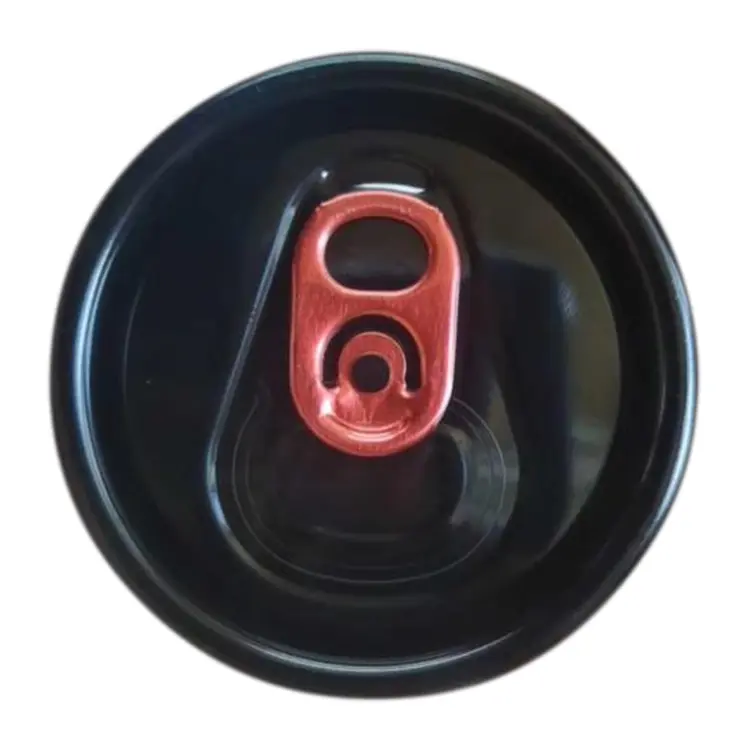
Make Sure the Can End Design Matches the Can Body
A printed can end should be evaluated as part of the complete beverage package. The end and the can body may be produced and printed separately, but consumers see them together.
A common design problem occurs when the can body and can end use similar brand elements but do not create a coordinated appearance. Differences in color tone, graphic style, or logo placement can make the finished package look inconsistent.
Before approving the design, review the combination rather than examining the printed end alone. Consider whether the colors complement the can body, whether the logo remains recognizable, and whether the overall package looks balanced from different viewing angles.
This is particularly important for beverage products sold in retail displays, where consumers may compare several packages side by side. A coordinated design can help the product maintain a more recognizable appearance across its packaging components.
Review Samples Before Confirming Bulk Production
Artwork approval does not replace product evaluation. Before confirming a large order, it is important to understand how the printed can end looks and performs in its intended application.
A sample review should cover both appearance and functional compatibility. Check the print quality, color presentation, graphic positioning, and visible surface condition. Also confirm that the selected end specification matches the intended can body and packaging process.
If the beverage line uses specific filling and seaming conditions, these should be considered during the evaluation. A printed sample can demonstrate appearance, but it does not automatically establish suitability for every production condition.
When reviewing samples, pay attention to:
- Whether the printed colors and graphics match the approved artwork.
- Whether logos and text are clear and correctly positioned.
- Whether the end specification matches the intended can body.
- Whether the opening design meets the product’s requirements.
- Whether further production-line testing is necessary.
Any changes should be documented and approved before bulk production begins. This helps prevent misunderstandings about which artwork version, color reference, or specification should be used.
Clarify Order Details and Repeat Production Requirements
For recurring beverage orders, consistency between production batches is just as important as the first approved sample. A printed can end should be evaluated not only as a single delivery but also as part of the brand’s ongoing packaging requirements.
Before placing the order, clarify the quantity, delivery expectations, approved artwork version, and required product specifications. If the same design will be reordered, keeping the approved files and reference samples helps reduce unnecessary differences between orders.
It is also useful to establish a clear approval process. Changes to logos, colors, text, or opening configurations should be communicated before production rather than introduced informally during an order.
This is particularly relevant for brands managing multiple beverage products. Maintaining clear records for each design and specification can make repeat ordering more predictable and reduce the possibility of mixing different versions.
Choosing a Suitable Color Printed Can Ends Supplier
Selecting a supplier involves more than comparing unit prices. The ability to understand the required can end specification, review artwork, communicate printing requirements, and support sample confirmation can all influence the final order.
A reliable ordering process should make it clear which product specification is being quoted, what artwork information is required, and how the final design will be approved. It should also provide a practical way to resolve questions about compatibility and production requirements before bulk manufacturing.
Packfine offers beverage can ends and related packaging options for different applications. When discussing Color Printed Can Ends, it is useful to provide the required end specification, can body information, artwork files, color references, and estimated order quantity. These details help clarify the product requirements and support a more accurate quotation and order evaluation.
Conclusion
Ordering color printed can ends requires attention to both packaging function and visual presentation. Confirming the end specification, preparing suitable artwork, checking color accuracy, reviewing can body compatibility, and approving samples before bulk production can reduce avoidable errors. A clear specification and approval process also make repeat orders easier to manage.
FAQs
1. Can the same printed design be used for different can end specifications?
Not automatically. Different end configurations may have different dimensions or functional areas. The artwork should be checked against the specific end template before production.
2. Why can printed colors look different from digital artwork?
Screen displays and printed metal surfaces reproduce colors differently. Lighting, file settings, printing conditions, and surface characteristics can influence the final appearance.
3. Should the can end artwork match the can body exactly?
The two components should create a coordinated package, but they do not necessarily need identical graphics. Consistent brand colors, recognizable logos, and complementary design elements are usually more important.
4. What should be approved before bulk production?
The final product specification, artwork version, color references, and sample appearance should be confirmed. Functional compatibility should also be evaluated where required by the packaging process.
Post time: Nov-25-2026