


In today’s highly competitive global market, packaging is no longer just a protective layer—it is a strategic tool that influences product quality, logistics efficiency, and brand positioning. Among all packaging formats, can packaging has become one of the most reliable and widely used solutions across beverage and food industries.
For B2B buyers, manufacturers, and distributors, understanding the advantages and applications of can packaging is essential for building scalable, efficient, and market-ready products.
What Is Can Packaging?
Can packaging refers to the use of metal containers, primarily aluminum or tinplate, to store and transport beverages and food products. These cans are designed to provide a sealed, durable, and lightweight packaging solution that protects contents from external factors.
Modern can packaging systems typically consist of a can body and a lid, often with an easy-open feature that enhances consumer convenience. This structure ensures that products remain safe, fresh, and stable throughout the entire supply chain.
Can packaging is widely used for carbonated drinks, energy beverages, canned foods, coffee, tea, and many other products that require reliable preservation.
Why Can Packaging Is Widely Used
The widespread adoption of can packaging is driven by its ability to meet both technical and commercial requirements. Unlike other packaging materials, metal cans offer a unique combination of strength, barrier protection, and efficiency.
One of the most important advantages is complete protection. Metal cans block light, oxygen, and moisture, which helps maintain product flavor and quality over time. This is especially important for beverages that contain carbonation or sensitive ingredients.
Another key benefit is durability. Can packaging can withstand pressure, stacking, and long-distance transportation without compromising product integrity. This makes it ideal for global distribution.
Lightweight construction further enhances efficiency by reducing shipping costs and improving handling throughout the supply chain.
Types of Can Packaging
The can packaging industry offers a wide variety of formats to meet different product and market requirements. These formats can be categorized based on material, structure, and application.
Aluminum cans are the most common type used in the beverage industry. They are lightweight, recyclable, and suitable for carbonated and non-carbonated drinks.
Tinplate cans are often used for food products, offering strong resistance to corrosion and excellent sealing performance.
In terms of structure, two-piece cans are widely used for beverages due to their seamless body and efficient manufacturing process. Three-piece cans are more common in food packaging, where different sizes and shapes are required.
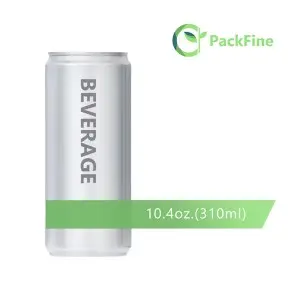
Different shapes such as standard cans, slim cans, and sleek cans provide flexibility in branding and product positioning.
Advantages of Can Packaging
Can packaging offers several key advantages that make it a preferred choice for manufacturers and brands.
● Strong barrier protection ensures product freshness and stability
● High structural strength supports stacking and transportation
● Lightweight design reduces logistics costs
● Compatibility with high-speed production lines improves efficiency
● Easy-open lids enhance consumer convenience
These benefits make can packaging suitable for large-scale production and global distribution.
Can Packaging and Branding
In modern markets, packaging plays a major role in attracting consumers. Can packaging provides an excellent platform for branding and marketing.
The smooth surface of metal cans allows for high-quality printing and decoration. Brands can use vibrant colors, metallic effects, and unique finishes to create strong visual impact.
Full-body printing enables companies to communicate brand identity, product information, and marketing messages directly on the packaging. This is particularly important in retail environments where packaging must capture attention quickly.
Different can shapes also contribute to brand differentiation. Slim and sleek cans, for example, are often associated with premium products, while standard cans are linked to classic and high-volume items.
Sustainability of Can Packaging
Sustainability has become a critical factor in packaging decisions. Can packaging, especially aluminum cans, offers significant environmental advantages.
Aluminum is one of the most recyclable materials available. It can be reused multiple times without losing quality, making it a key component of circular economy systems.
Recycling aluminum requires significantly less energy than producing new material, which helps reduce carbon emissions and environmental impact.
Consumers are increasingly aware of environmental issues, and products packaged in recyclable cans are often perceived more positively.
Applications Across Industries
Can packaging is used in a wide range of industries due to its versatility and reliability.
In the beverage sector, it is commonly used for soft drinks, energy drinks, beer, sparkling water, and ready-to-drink products.
In the food industry, cans are used for vegetables, fruits, meats, soups, and sauces, providing long shelf life and safe storage.
Can packaging is also used for specialty products such as nutritional drinks, functional beverages, and premium food items.
This wide range of applications demonstrates the flexibility and adaptability of can packaging.
Future Trends in Can Packaging
The can packaging industry continues to evolve in response to market demands and technological advancements.
One major trend is lightweighting, where manufacturers reduce material usage while maintaining strength. This improves efficiency and reduces costs.
Another trend is enhanced printing technology, allowing for more detailed and visually appealing designs.
Sustainability remains a key focus, with ongoing improvements in recycling systems and eco-friendly production methods.
There is also increasing demand for differentiated packaging formats, as brands seek to stand out in competitive markets.
Conclusion
Can packaging is a highly effective solution that combines protection, efficiency, and branding potential. Its durability, recyclability, and compatibility with modern production systems make it an essential part of the global packaging industry.
For B2B buyers and manufacturers, choosing can packaging provides long-term benefits in terms of product quality, logistics performance, and market competitiveness. As industries continue to grow and innovate, can packaging will remain a key driver of success in both beverage and food sectors.
FAQ
1、What is can packaging used for?
Can packaging is used for beverages and food products, providing protection, durability, and long shelf life.
2、Are aluminum cans environmentally friendly?
Yes, aluminum cans are highly recyclable and support sustainable packaging practices.
3、What are the main types of can packaging?
The main types include aluminum cans, tinplate cans, two-piece cans, and three-piece cans.
4、Can can packaging be customized?
Yes, cans can be customized with printing, coatings, and different shapes to match brand requirements.
Post time: Apr-17-2026