


When evaluating beer can suppliers, capacity is often the first factor to be confirmed, such as 330ml, 355ml, 473ml, or 500ml. However, for beer packaging that is intended for real product development and long-term use, capacity is only the starting point. Beer type, can format, internal surface protection, can end, artwork, and future product expansion can all influence the final aluminum can specification.
If these elements are decided separately at different stages, problems can appear later. A can body may already be confirmed, only for the beverage formula, artwork dimensions, or new product requirements to force additional changes. A more practical approach is to establish a complete packaging logic before finalizing the beer can so that the beverage, can structure, and future product plan remain aligned.
Beer Can Suppliers Should First Understand What Type of Beer Will Be Filled
Although all of these products fall under the beer category, they do not necessarily require exactly the same packaging conditions. Traditional lagers, ales, fruit beers, low-alcohol beers, non-alcoholic beers, and products containing juice or other flavor ingredients can differ in formulation and product characteristics.
Therefore, before confirming aluminum can specifications with beer can suppliers, it is important to define what will actually be filled into the can. In addition to the basic beer type, consider whether the formulation is already stable, whether it contains additional flavor ingredients, and whether further adjustments may be made later. If a brand plans to develop traditional beer, fruit-flavored versions, and non-alcoholic products at the same time, it should not simply assume that all of them can use exactly the same packaging conditions.
The purpose of this step is to answer the question, “What will the can actually contain?” before deciding what type of aluminum can is needed, rather than choosing a standard beer can first and then forcing every product to fit the same existing specification.
Internal Protection Should Not Be Treated as a Default Detail
Consumers mainly see the outside of a beer can, but the internal surface is what remains in direct contact with the beverage. Aluminum beverage cans normally use an internal protective coating to separate the beverage from the metal surface, which means the internal condition should be considered part of the complete beer can specification.
For a conventional beer, an established packaging system may remain suitable for a long period. However, if the product line later expands into fruit-flavored beer, non-alcoholic beer, or other beer-based ready-to-drink products, the beverage conditions have changed and the relevant packaging compatibility should be reviewed again.
Instead of asking only, “Do you have this beer can size?”, a more useful question is: Is this can specification suitable for the actual beverage? The first question only confirms product availability, while the second is directly related to long-term packaging suitability.
The Same 330ml Capacity Can Look Completely Different
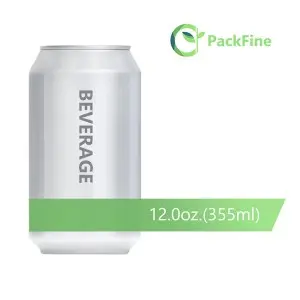
“330ml beer can” sounds specific, but it still does not fully define the package. The same nominal capacity can be produced in different body proportions, such as a classic Standard can or a taller, narrower format. These options can create noticeably different package appearances.
Capacity and can format should therefore be confirmed separately. Capacity defines how much beverage the package contains, while can format determines the body proportions, diameter, height, and overall visual impression. For a beer range that aims to maintain a consistent long-term brand image, the can format can be just as important as the capacity itself.
A more complete basic specification should include:
- Beverage capacity;
- Can format;
- Can body dimensions;
- Neck specification;
- Matching can end.
This provides a clearer definition of the beer can than capacity alone.
Final Artwork Should Follow the Confirmed Can Format
Beer packaging often places significant emphasis on visual design, but artwork is not displayed on a flat sheet. It is applied to a three-dimensional aluminum can with curvature, height, a top section, and a bottom structure.
If the complete artwork is finalized before the actual can format is confirmed, a later change to a taller, narrower, shorter, or wider can may require substantial design adjustment. Logo position, product-name height, key visual proportions, and spacing between information elements may all need to change.
This becomes especially important when one brand contains several products such as Original, Alcohol-Free, Fruit Flavor, or Seasonal Editions. A consistent visual system should be planned in advance so that the products remain clearly related while still being easy to distinguish.
A more practical sequence is:
Confirm Can Format → Define the Design Area → Finalize the Artwork
This reduces the risk of major artwork revisions caused by later changes in can proportions.
The First Beer Can Should Leave Room for the Next Product
Many beer projects focus entirely on the first product, but product ranges rarely remain limited to one capacity and one version forever.
A range may begin with a 330ml Standard can and later add a 500ml version, non-alcoholic beer, fruit-flavored products, seasonal editions, or a more premium line. If the first package is designed only around a single isolated requirement, each new product may require a completely new can format, artwork structure, and related packaging components.
Before finalizing the first beer can, it is useful to consider:
- Whether additional capacities may be introduced;
- Whether different can formats may be used later;
- Whether the same range will include more flavors;
- Whether new products can continue using the existing packaging structure;
- Which elements should remain consistent and which may change.
This kind of planning does not make the first project more complicated. Instead, it helps prevent the packaging system from becoming fragmented as the product range grows.
The Can End Should Be Confirmed at the Same Stage
A beer can is not only the can body. The can end is also part of the complete package and should be considered during specification confirmation rather than after everything else has been finalized.
The correct end is not determined simply by a capacity such as 330ml or 500ml. It needs to match the actual neck specification at the top of the can.
For this reason, a complete beer can specification is clearer when the key information is kept together rather than confirmed separately in different stages.
| Specification Item | What Should Be Confirmed |
|---|---|
| Beverage Type | Actual beer category and main product conditions |
| Capacity | Final beverage volume |
| Can Format | Standard, Sleek, Slim, or another body style |
| Can Body Specification | Height, diameter, and overall proportions |
| Internal Surface | Suitability for the actual beverage |
| Can End | Matching specification for the can neck |
| Decoration | Blank can or custom printed can |
| Future Products | Whether additional capacities or versions are planned |
The purpose of this table is not to add unnecessary technical complexity. It is to keep related packaging information within one consistent system so that future design changes or product expansion are easier to manage.
Sample Approval Should Go Beyond Print Appearance
When beer can samples arrive, the first things people usually notice are color, logo placement, and overall appearance. For long-term packaging, however, a sample that simply “looks good” does not confirm the entire specification.
In addition to artwork, it is useful to check whether the can body has obvious dents or scratches, whether the neck and top edge remain in normal condition, whether the interior is clean, and whether the actual can format matches the final specification. If the matching can end has already been defined, the sample should also represent the same body specification intended for the final package.
For a product range with several versions, different samples can also be placed together for comparison. Logo height, key visual areas, product names, and color variations are often easier to evaluate as a group than as individual cans.
What Should a Useful Beer Can Supplier Be Able to Support?
When comparing beer can suppliers, the number of capacities shown in a catalog is not the most important factor. A more useful question is whether the available product system can support the current project while leaving room for future product development.
A practical long-term product system should be able to combine different capacities and can formats with actual beverage requirements, while also supporting blank cans, custom printing, and matching can ends. If a product range later expands into new sizes or packaging formats, the existing packaging logic should still remain usable rather than requiring a complete restart.
Packfine focuses on aluminum beverage cans and matching easy-open ends. Its product range includes Standard, Sleek, Slim, and Stubby can formats, together with multiple capacities, blank aluminum cans, and custom printed cans. For beer packaging, this structure allows current packaging requirements and future product expansion to be considered within the same product system.
Before finalizing a beer can specification, the project can be organized around a clearer logic: Beverage Type + Capacity + Can Format + Internal Requirements + External Design + Matching Can End + Future Product Plan
The result is not simply an aluminum can that matches the current capacity. It is a packaging structure that can continue supporting the beer range as it develops.
FAQ
Why can beer cans with the same capacity look completely different?
Capacity only indicates how much beverage the can contains. It does not determine body proportions. The same capacity can use different can diameters and heights, so the can format must also be confirmed.
Should the aluminum can be reviewed again if the beer formula changes?
If the beverage formula changes significantly, such as adding juice, flavor ingredients, or converting the product into a non-alcoholic version, packaging conditions related to beverage contact should be reviewed rather than automatically carrying over the previous specification.
Should the can format or artwork be finalized first?
It is usually more practical to confirm the can format and actual design area first, then finalize the artwork. This helps reduce major artwork changes caused by later adjustments to can proportions.
What beer can products does Packfine provide?
Packfine provides aluminum beverage cans in Standard, Sleek, Slim, and Stubby formats across multiple capacities, together with blank cans, custom printed cans, and matching easy-open ends.
Post time: Aug-26-2026