


A beer can is more than an aluminum container. Its performance depends on how well the can body, end, internal coating, and sealing process work together. Among these components, the can end has a particularly important role because it closes the package, helps retain carbonation, and provides the opening through which consumers access the beverage.
For breweries, choosing suitable can ends involves more than comparing opening designs. The end must match the can body, work with the filling and seaming system, and maintain reliable performance during storage and distribution. Understanding these requirements helps brands make better packaging decisions and explains why experienced Beer Can Suppliers need to consider the complete can structure rather than individual components alone.
Why Can Ends Are Important for Beer Packaging
The can end performs two essential functions: protecting the beverage before opening and allowing convenient access afterward. Before consumption, it forms part of the sealed package that helps prevent leakage and limits exposure to external contaminants. Once opened, its design determines how easily consumers can access the beer.
These functions are especially important for carbonated beverages. Beer contains dissolved carbon dioxide, which creates internal pressure inside the container. The finished package must maintain its structural integrity under the expected filling, storage, and transportation conditions. A reliable closure is therefore essential to maintaining package performance.
The end also contributes to the overall usability of the product. A poorly designed or unsuitable opening can make drinking less convenient, even when the can itself is structurally sound. For this reason, can ends should be evaluated as functional packaging components, not simply as covers attached to aluminum cans.
How Can Ends Help Maintain Package Integrity?
A beer can end is attached to the can body through a double-seaming process. During this operation, the edges of the end and the can body are mechanically joined to form a secure closure. The quality of this seam is critical because it helps prevent leakage and protects the beverage from external exposure.
Several elements influence sealing performance. The dimensions of the can body and end must match the intended specifications. Seaming equipment must also be correctly adjusted, while the materials need to remain consistent throughout production. If the components are incompatible or the process is poorly controlled, defects may affect the finished package.
Carbonation makes this particularly important. The closure must withstand the internal pressure generated by the beer without compromising the integrity of the package. Temperature changes during storage and distribution can also influence internal pressure, making suitable package design and quality verification necessary.
RPT and SOT: Different Approaches to Can Opening
RPT and SOT are two terms commonly associated with easy-open can ends. Although both are designed to provide convenient access to beverages, their tab structures differ.
RPT generally refers to a ring-pull tab. The consumer lifts the ring to open a scored section of the end. This design provides a recognizable opening method and can be used where a ring-style configuration suits the packaging requirements.
SOT generally refers to a stay-on-tab design. The tab remains attached to the end after opening instead of separating completely from the can. This helps reduce loose tabs becoming litter and provides a familiar opening experience for many beverage consumers.
The choice between these can ends should depend on the intended product and packaging system. Factors such as can format, opening dimensions, consumer preferences, and production compatibility all need consideration. Neither design is automatically better for every beer application.
Breweries should also avoid selecting an opening format based only on appearance. The tab needs to operate reliably, and the scored area must perform as intended. Practical testing is a more dependable way to evaluate whether a particular design meets the product’s requirements.
Why Compatibility Between Can Ends and Can Bodies Matters
One of the most important considerations when selecting beer can ends is compatibility with the can body. Even when two cans appear similar, their opening dimensions, neck profiles, and seaming specifications may differ. A suitable end must match the corresponding container rather than being selected by visual similarity alone.
Diameter is an important starting point, but it is not the only specification to review. The end profile and can opening design also affect how the components fit together during seaming. If the specifications are inconsistent, the production line may experience sealing defects, rejected cans, or interruptions.
Equipment compatibility is equally important. Different filling and seaming lines may require specific tooling and operating settings. When a brewery changes its can format or introduces a new end design, production trials may be necessary to confirm that the components work correctly with the existing equipment.
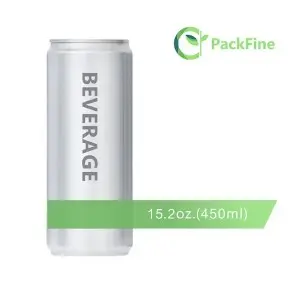
This issue becomes more complex when a brand uses several can sizes. Standard, slim, and other aluminum can formats may require different end configurations. Confirming the specifications for each combination helps avoid assuming that one end can be used across an entire product range.
For Beer Can Suppliers, providing accurate dimensions and clear compatibility information is therefore essential. Early communication between packaging providers and production teams can reduce unnecessary adjustments and help maintain a consistent manufacturing process.
How Opening Design Affects the Consumer Experience
Although sealing performance is essential, the consumer’s experience begins when the can is opened. The tab should be easy to identify and operate, while the opening should support the intended drinking or pouring method.
For beer consumed directly from the can, opening position and size influence convenience. Consumers need an opening that allows comfortable access without making the package difficult to hold. For beer commonly poured into glasses, the opening should support a practical flow and make serving straightforward.
Different consumption environments can also influence packaging expectations. Beer sold for outdoor activities, sporting events, casual gatherings, or everyday retail consumption may be handled in different ways. A familiar and reliable opening design helps make the product easier to use across these situations.
Consistency matters as well. If a brand offers several beer varieties in similar can formats, maintaining a consistent opening experience can make the product range feel more unified. This does not mean every product must use an identical configuration, but changes should be based on practical requirements rather than appearance alone.
By considering consumer use alongside technical performance, brands can select can ends that support both package functionality and everyday convenience.
Key Considerations When Selecting Beer Can Ends
Choosing a suitable end requires a review of the complete packaging process. Rather than focusing on one feature, breweries should evaluate how the component will perform from filling through final consumption.
- Can specifications: Check the end diameter, opening dimensions, profile, and compatibility with the selected can body.
- Seaming performance: Confirm that the end works with the available seaming equipment and that the finished seam meets the required quality standards.
- Product conditions: Consider carbonation, filling conditions, storage temperatures, and distribution requirements.
- Opening requirements: Evaluate tab operation, opening size, and whether the design suits the expected drinking experience.
- Quality consistency: Review material consistency, inspection procedures, and performance across production batches.
Finding the Right Beer Can Packaging Configuration
Selecting an appropriate beer can configuration involves coordinating the can body, end design, and production requirements. Packfine offers aluminum beverage cans in different formats, together with easy-open end options such as RPT and SOT. These options provide a basis for evaluating packaging combinations according to product requirements and intended applications.
Before confirming a specification, breweries should review the relevant dimensions, end compatibility, and filling and seaming conditions. Discussing these details early can help reduce avoidable adjustments and support a more consistent packaging process.
For Beer Can Suppliers, a practical packaging solution is not simply a combination of a can and a lid. It is a compatible system designed to protect the beverage, support production, and provide a dependable experience for consumers.
Conclusion
Can ends are essential to beer packaging because they contribute to sealing performance, pressure resistance, production compatibility, and consumer convenience. RPT and SOT offer different opening structures, but the right choice depends on the can format, manufacturing conditions, and intended application. By evaluating the end and can body as one integrated system, breweries can improve packaging decisions and support consistent performance throughout the product lifecycle.
FAQ
1. What is the main function of a beer can end?
It closes the can, forms part of the protective package, and provides an opening mechanism for consumers.
2. Are RPT and SOT can ends interchangeable?
Not automatically. Their compatibility depends on the can design, dimensions, and seaming specifications.
3. Why is double seaming important for beer cans?
Double seaming mechanically joins the end to the can body, helping create a secure closure that prevents leakage and protects the beverage.
4. What should breweries check before changing can end specifications?
They should verify dimensions, can body compatibility, seaming equipment requirements, and finished-package performance through appropriate testing.
Post time: Nov-06-2026