


Aluminum energy drinks cans are available in different body proportions even when they are designed for similar beverage volumes. A slim can typically has a narrower diameter and greater height, while a standard can has a wider body and a more compact profile. These differences are more than visual variations. They change the relationship between the beverage volume, can dimensions, surface area, and the overall finished package.
For this reason, comparing slim and standard cans by capacity alone does not provide a complete understanding of the product. The way a given volume is distributed within the can determines its physical dimensions and affects how the package is presented, handled, and combined with its can end.
Capacity and Can Dimensions Are Not the Same Specification
The capacity of an aluminum can describes how much beverage it can contain, while its dimensions describe the physical form used to contain that volume. These two specifications are related but are not interchangeable.
A narrower can generally needs additional height to accommodate a particular volume. A wider can can reach a similar internal volume with a shorter body. Consequently, two energy drinks with similar capacities can have noticeably different heights, diameters, and overall proportions. This is an important distinction when evaluating aluminum energy drinks cans because a change in format is not simply a change in appearance. It changes the physical configuration of the container. A slim can concentrates more of its form vertically, whereas a standard can distributes the volume across a wider cylindrical body.
The exact dimensions of either format are not universal. “Slim” and “standard” describe general can proportions rather than one fixed set of measurements. Actual specifications depend on the particular can design and the required package configuration.
How the Can Body Changes the Finished Product
Once the height and diameter change, the geometry of the can body changes with them. This affects the cylindrical surface available around the package and the way printed information occupies that surface. A taller, narrower can creates a more vertically oriented surface. A wider can provides greater circumference within a shorter body. Therefore, even if the same product information is used, its visual arrangement may need to follow the physical proportions of the can.
The difference is not simply a question of which format has more printable area. The shape of that area matters. A design that relies on vertical spacing may behave differently on a slim can, while a wider format provides a different relationship between the front-facing area and the information distributed around the circumference. The can body can therefore influence the final appearance without changing the beverage itself. Its dimensions establish the physical framework on which the product name, flavor identification, graphics, and other package information are presented.
Slim and Standard Formats in Practical Product Terms
The distinction between the two formats becomes clearer when the can is considered as a complete physical product rather than a container defined only by its volume.
Slim Can
- Narrower body with a taller overall proportion;
- Greater vertical dimension relative to diameter;
- Different cylindrical surface geometry for printed information;
- More elongated physical profile.
Standard Can
- Wider body with a shorter overall proportion;
- Greater circumference relative to height;
- Broader cylindrical surface around the can body;
- More compact physical profile.
Neither description determines a universal capacity or exact dimension. The value of the comparison is in understanding how the same general beverage volume can be expressed through different physical configurations.
Why Similar Volumes Can Use Different Can Formats
There is no requirement for a particular beverage volume to correspond to only one physical shape. Internal volume can be achieved through different combinations of height and diameter. This allows similar quantities of beverage to exist in cans with substantially different proportions. The difference becomes especially noticeable when the finished cans are placed next to one another. A slim can produces a taller visual structure, while a standard can produces a wider and more compact structure. The difference remains visible even if the beverage inside is similar.
This also explains why capacity should not be treated as the only specification when comparing aluminum energy drinks cans. Two cans with similar nominal volumes may still require different dimensions, different surface layouts, and different relationships between the body and top of the container.
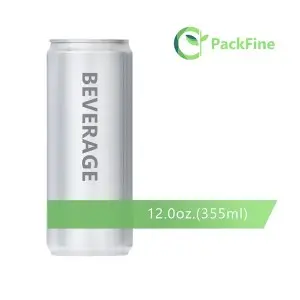
The Can End Is Part of the Complete Specification
The body of an aluminum beverage can cannot be considered entirely separately from its can end. The top section completes the sealed container and provides the opening through which the beverage is accessed. When different can formats are developed, the body and can end need to form a compatible package. The finished container therefore involves more than selecting a body diameter or internal volume. The dimensions and connection between the main body and the top section are also part of the overall specification.
This is particularly relevant when comparing formats because a change in body proportions does not mean that every other component can be changed independently. The complete can needs to function as one sealed structure before opening and as one usable package after opening.
Can a Beverage Range Use Both Slim and Standard Cans?
A beverage range can use different can formats without changing the basic nature of the product. The important point is that each format represents a different physical configuration.
For example, a product with a similar beverage volume can be presented in either a taller, narrower can or a shorter, wider can. If the capacity changes as well, the relationship between volume and external dimensions becomes another part of the package specification. Using different formats can therefore create clearly differentiated physical products while retaining aluminum as the common packaging material. The distinction comes from the dimensions and structure of the can rather than from the material itself.
Why Can Proportion Matters Beyond Appearance
Can proportion is sometimes treated as a purely visual characteristic, but it has a direct connection with the physical package. Height and diameter determine the three-dimensional form of the container, the shape of its cylindrical surface, and the amount of space the finished can occupies. This is why two cans with similar capacities can still feel and look different as finished products. The dimensions affect the package before any printed graphics are considered.
The distinction is useful when discussing aluminum energy drinks cans because it separates two concepts that are often combined: what the can holds and what the can is. Capacity describes the first; the can format describes the second.
Aluminum Energy Drinks Cans for Different Packaging Configurations
Packfine offers aluminum packaging products for food and beverage applications, including aluminum cans and related packaging components. Different can configurations can be considered according to beverage volume, physical dimensions, and the requirements of the finished package. For energy drink applications, this makes the distinction between slim and standard formats part of the broader can specification rather than simply a matter of visual preference.
Conclusion
The difference between slim and standard aluminum energy drinks cans is primarily a difference in physical proportion and configuration. A slim can generally uses a narrower, taller body, while a standard can uses a wider, more compact form. Both can accommodate similar beverage volumes, but they distribute that volume differently within the container.
Height, diameter, surface geometry, and the relationship between the can body and can end all contribute to the finished product. As a result, capacity alone cannot fully describe an aluminum energy drink can. Two cans may contain similar amounts of beverage while still representing different packaging specifications. Understanding this distinction makes slim and standard formats easier to evaluate as actual aluminum can products rather than simply as different visual styles.
FAQ
1. Can two aluminum cans with the same capacity have different heights?
Yes. The internal volume depends on both height and diameter, so different combinations of these dimensions can produce a similar capacity.
2. Does a larger diameter always mean a larger-capacity can?
No. Capacity depends on the combined dimensions of the container. Diameter alone does not determine the internal volume.
3. Can the same artwork be used on slim and standard cans?
The same basic artwork concept may be used, but its placement, scale, or proportions may need adjustment because the available cylindrical surface is different.
4. Is the can end considered part of the can specification?
Yes. The can end completes the sealed container and must be compatible with the can body as part of the finished packaging structure.
Post time: Oct-16-2026