


Aluminum beverage slim cans have become one of the most strategic packaging formats in the global beverage industry. They are widely used in energy drinks, sparkling water, functional beverages, iced coffee, and lifestyle drinks, especially in markets where branding, convenience, and retail visibility are critical.
Unlike traditional packaging solutions, aluminum slim cans are not just designed to hold beverages. They are engineered to improve market performance, optimize production systems, and strengthen brand competitiveness. This makes them an essential tool for beverage companies operating in highly competitive and fast-moving consumer markets.
The Role of Aluminum Beverage Slim Cans in Modern Packaging Strategy
In today’s beverage industry, packaging is no longer a supporting element—it is a core part of business strategy. Aluminum beverage slim cans are specifically designed to help brands solve three major challenges: visibility in retail environments, production efficiency, and global distribution complexity.
One of the most important shifts in consumer behavior is the increasing influence of visual identity. Modern consumers make purchasing decisions within seconds, especially in convenience stores, vending machines, and refrigerated shelves. In this context, packaging must function as a communication tool rather than just a container.
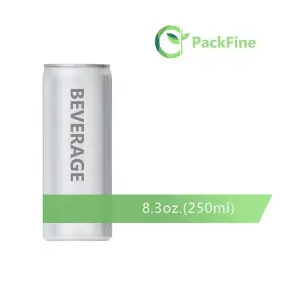
Slim cans offer a vertical design structure that naturally enhances visual presence. This structure helps products stand out in crowded shelf environments, where traditional packaging often blends into the background. As a result, aluminum slim cans are frequently used by brands that rely heavily on impulse purchases and fast-moving retail channels.
Shelf Visibility and Consumer Attention Mechanics
The success of a beverage product in retail is often determined before the consumer even reads the brand name. Shelf visibility plays a decisive role in whether a product is noticed, considered, or ignored.
Aluminum beverage slim cans improve shelf visibility through their unique proportions. The tall and narrow structure creates a stronger vertical visual flow, which naturally draws the human eye during scanning behavior. This is particularly effective in environments where multiple products are displayed side by side.
In addition, slim cans allow for more focused branding design. Instead of spreading visual elements across a wide surface, designers can build a more concentrated visual identity. This increases brand recognition speed, which is crucial in impulse-driven purchasing environments.
For emerging beverage brands, this advantage is especially important. Without large-scale advertising budgets, packaging becomes the primary marketing channel. Slim cans help bridge this gap by turning packaging into a high-impact visual asset.
Impact on Brand Positioning and Market Differentiation
In highly saturated beverage categories, product differentiation is no longer based only on taste or ingredients. Packaging has become one of the strongest tools for brand positioning.
Aluminum beverage slim cans allow brands to communicate a modern, premium, and energetic identity. The structure itself is associated with innovation and contemporary lifestyle trends, which makes it especially effective for targeting younger consumer groups.
Brands often use slim cans to support specific positioning strategies such as “performance energy,” “urban lifestyle,” or “healthy refreshment.” The packaging becomes part of the storytelling process, reinforcing the emotional connection between the product and the consumer.
This is particularly valuable in categories like energy drinks and sparkling beverages, where competition is intense and product differentiation is limited. Slim cans allow brands to compete on perception rather than only formulation.
Production Efficiency and Industrial Compatibility
Beyond marketing advantages, aluminum beverage slim cans also provide significant operational benefits in manufacturing environments.
Modern beverage production relies heavily on high-speed automated systems. These systems require packaging materials that are dimensionally stable, consistent, and compatible with continuous production lines.
Slim cans are designed with industrial precision, allowing them to operate smoothly in filling, sealing, and packaging processes. This reduces machine downtime, minimizes production errors, and improves overall output efficiency.
Another important factor is material optimization. Aluminum slim cans are engineered to balance strength and weight, reducing material usage while maintaining structural integrity. This contributes to cost efficiency without compromising performance.
For large-scale beverage manufacturers, even small improvements in production efficiency can result in significant long-term cost savings. Slim cans therefore play a direct role in improving operational profitability.
Logistics Optimization and Global Supply Chain Efficiency
In global beverage distribution, logistics costs represent a major portion of total expenses. Packaging choice directly influences shipping efficiency, storage capacity, and handling performance.
Aluminum beverage slim cans are highly efficient in transportation due to their lightweight structure and stackable geometry. More units can be loaded into the same shipping space compared to bulkier packaging formats, improving container utilization rates.
This becomes especially important for export-driven markets where products travel long distances across continents. Reduced weight translates directly into lower freight costs, while improved stacking efficiency reduces wasted space.
In warehouse operations, slim cans also simplify inventory management. Their uniform structure allows for stable stacking and efficient pallet organization, improving overall logistics flow and reducing operational complexity.
Consumer Experience and Functional Convenience
Consumer behavior continues to shift toward convenience-driven consumption. Beverages are increasingly consumed on the go, which makes packaging ergonomics an important factor.
Aluminum beverage slim cans are designed to be easy to hold, easy to carry, and easy to consume in fast-paced environments. Their slim structure fits naturally into car cup holders, backpacks, and handheld usage scenarios.
This convenience improves user satisfaction and encourages repeat purchases. In many cases, consumers associate slim packaging with modern lifestyle habits, reinforcing positive brand perception.
Additionally, aluminum cans provide a consistent drinking experience by maintaining carbonation and temperature stability, which enhances product enjoyment.
Sustainability and Circular Economy Value
Sustainability is now a core requirement for global packaging systems, and aluminum slim cans play an important role in circular economy development.
Aluminum is one of the most recyclable packaging materials available today. It can be recycled repeatedly without significant loss of quality, making it ideal for long-term material reuse systems.
Recycling aluminum also requires significantly less energy compared to producing new raw materials, reducing overall environmental impact.
Furthermore, the lightweight nature of slim cans contributes to lower transportation emissions, supporting broader sustainability goals across the supply chain.
As environmental regulations and consumer awareness continue to grow, aluminum beverage slim cans are becoming a preferred choice for brands focused on sustainable development.
Strategic Value in Competitive Beverage Markets
The value of aluminum beverage slim cans extends beyond packaging functionality. They serve as a strategic tool that influences multiple business dimensions simultaneously.
They enhance shelf performance, improve production efficiency, reduce logistics costs, and strengthen brand positioning. This multi-dimensional impact is what makes slim cans particularly valuable in competitive beverage categories.
For companies entering new markets or launching new products, slim cans provide a faster path to market visibility and consumer acceptance.
Conclusion
Aluminum beverage slim cans represent a convergence of design, engineering, and commercial strategy. They are not simply a packaging format but a performance-driven solution that supports the entire beverage value chain.
From production efficiency to retail visibility and global logistics optimization, slim cans provide measurable advantages that directly influence business outcomes. As beverage markets continue to evolve, their role in shaping brand success is expected to grow even further.
FAQ
1、What are aluminum beverage slim cans mainly used for?
They are widely used in energy drinks, sparkling water, functional beverages, iced coffee, and modern lifestyle drinks due to their strong visual appeal and functional efficiency.
2、Why do beverage brands prefer slim cans over traditional cans?
Because slim cans improve shelf visibility, enhance brand positioning, and help products stand out in highly competitive retail environments.
3、Are aluminum slim cans suitable for large-scale production?
Yes. They are fully compatible with high-speed automated filling and sealing production lines, making them ideal for industrial beverage manufacturing.
4、Do aluminum slim cans support sustainability goals?
Yes. Aluminum is highly recyclable and can be reused multiple times, making slim cans an environmentally friendly packaging solution aligned with circular economy principles.
Post time: May-25-2026