


The global aluminum beverage packaging sector is undergoing a measurable shift. Brand owners, procurement managers, and contract beverage producers increasingly favor formats that combine premium visual positioning with verifiable manufacturing reliability. Amid this transition, Packfine — recognized internationally as an Advanced Sleek Can 202 Manufacturer and operating under its full registered entity, Yantai Zhuyuan Environmental Tech Co., Ltd. — has emerged as a technically differentiated supplier in the Chinese aluminum packaging market. The company’s core proposition challenges a widely held assumption: that a sleek can is primarily a design decision. In Packfine’s manufacturing model, the can body and the 202 can end function as a single integrated system, and the performance outcomes of that approach ripple through every layer of the beverage supply chain.
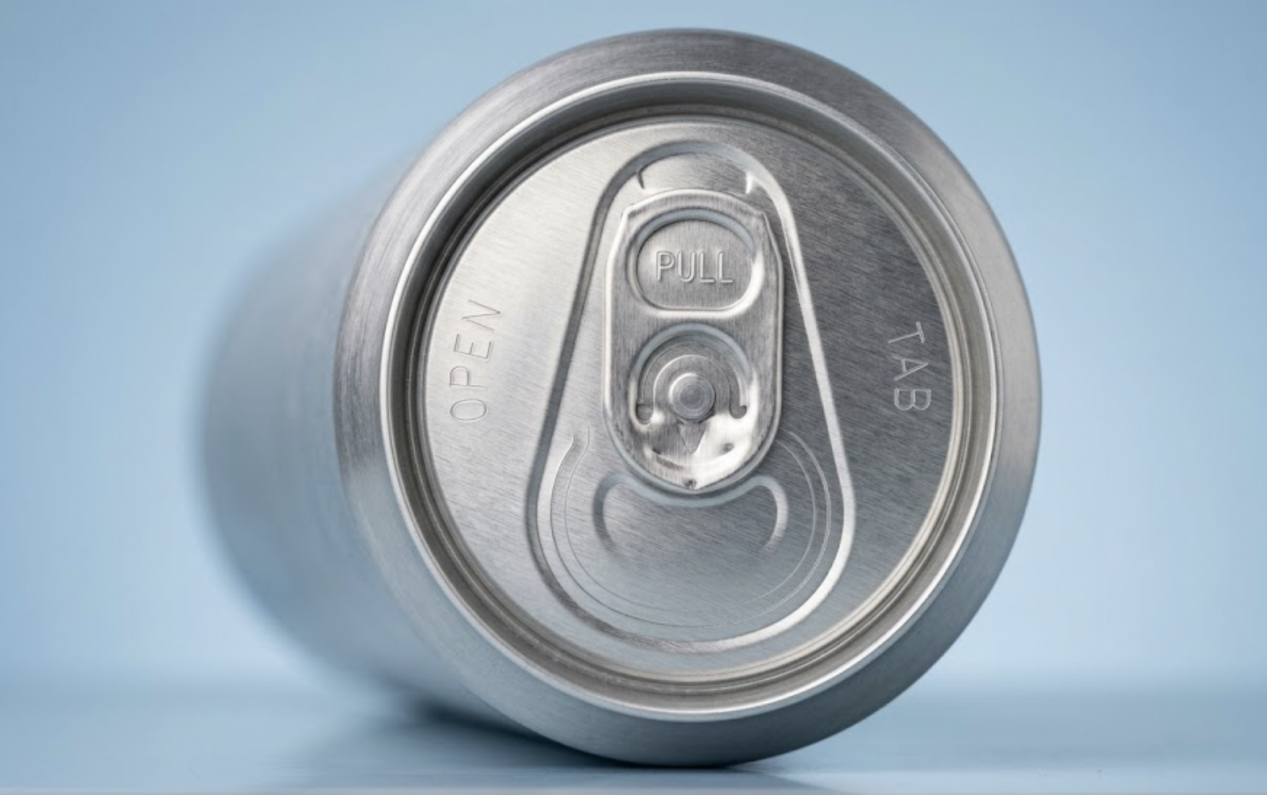
Beyond Aesthetics — Why the 202 End Profile Is the Structural Core of Sleek Can Performance
Discussions about sleek cans typically open with visual attributes — the tall, narrow silhouette, the extended branding surface, the premium shelf presence. These factors carry genuine commercial weight. However, structural performance begins at the can end, not the label. The 202 end profile governs seal integrity, internal pressure management, and compatibility with high-speed filling-line seaming equipment. Getting this specification wrong introduces operational risks that no amount of graphic design can offset.
Packfine’s 202 end portfolio covers SOT (Stay-on-Tab), RPT (Ring-Pull Tab), and FA (Full Aperture) configurations across both B64 and CDL profiles. Each production batch undergoes score residual control at a tolerance of plus or minus 2 microns. This precision balances two competing demands: the end must withstand high-temperature pasteurization and extended transport in non-refrigerated containers, while delivering a consistent and smooth opening experience at the consumer level. Dimensional mismatch between can body and can end remains a leading cause of filling failures across global B2B supply chains. Yantai Zhuyuan Environmental Tech Co., Ltd. addresses this systematically through standardized production specifications that align with the most widely used international seaming profiles.
Inside Packfine’s 14-Line Production Architecture — Engineering Consistency at Scale
Manufacturing scale in aluminum packaging creates meaningful advantages for B2B buyers — but only when that scale is matched by process discipline. Packfine operates 14 production lines built around American equipment from STOLLE, BELVAC, PAC, and Fleetwood, supported by laser vision inspection systems and real-time statistical process control. The combined annual output capacity reaches 5.2 billion pieces. Seven strategically positioned warehouse facilities support distribution across international markets, compressing delivery windows for time-sensitive procurement cycles.
The sleek can range covers 200ml, 250ml, 270ml, 330ml, and 355ml formats, all produced to B64 and CDL seaming standards. For beverage brands managing multi-SKU portfolios, sourcing multiple formats from a single FSSC-certified facility reduces supplier coordination complexity and simplifies vendor auditing. Smaller producers — including craft breweries, specialty juice brands, and emerging energy drink labels — benefit from flexible minimum order arrangements. These accommodate new product testing without requiring high-volume production commitments at the outset.
Sustainability as an Engineering Discipline — Alloy Science and Food-Safe Coatings
The sustainability conversation in packaging has matured considerably. Broad claims about eco-friendly materials no longer satisfy procurement teams or retail compliance departments. Specific questions now drive supplier evaluation: What alloy grade is used? How does the internal coating perform against current food safety regulations? Does the material maintain its structural properties through industrial recycling cycles?
Packfine produces its sleek cans from 5182-H19 aluminum alloy. This grade delivers high tensile strength while supporting thinner wall construction — a combination that reduces total material input per unit without compromising pressure resistance. The cans maintain structural integrity at internal pressures up to 90 PSI, covering the requirements of high-carbonation formats including craft beer, sparkling water, and carbonated soft drinks. Crucially, 5182-H19 aluminum retains its material properties through repeated recycling, supporting the closed-loop recycling models that a growing number of beverage brands now prioritize in supplier selection criteria.
On the food safety side, Yantai Zhuyuan Environmental Tech Co., Ltd. offers BPANI (BPA Non-Intent) internal coatings as a standard alternative to conventional epoxy liners. These formulations comply with FDA requirements and EU food contact material regulations and carry SGS certification. For brands distributing into markets with tightening chemical safety standards, BPANI compliance removes a significant regulatory variable from the packaging equation. Taken together, recyclable alloy engineering and certified food-safe internal chemistry make the sustainability case through technical specifications — not through marketing language.
The Seaming Interface — Where Precision Manufacturing Protects Brand Integrity
Every double seam failure carries a cost that extends well beyond logistics. Carbonation loss, contamination exposure, and visible leakage during transport generate retailer disputes, potential recall events, and lasting reputational damage. These outcomes are preventable when both the can end and can body meet precise dimensional specifications and the seaming process aligns with filling-line calibration requirements.
Packfine (Yantai Zhuyuan Environmental Tech Co., Ltd.) documents a 0% leak rate through rigorous body hook and end hook dimensional control. Technical support covers B64 and CDL seamer profile optimization, giving clients actionable guidance before production runs begin. This proactive orientation positions the supplier as a manufacturing partner rather than simply a component vendor — a distinction that matters significantly when production timelines leave little margin for seaming troubleshooting.
OEM/ODM at Scale — From Brand Concept to Certified Production
The OEM/ODM service model at Packfine spans the full product development lifecycle. Customization options include full-body color separation printing, QR code integration on can ends, embossed surface branding, and format-specific design consultation across energy drink, craft beer, premium juice, and specialty soft drink categories. Beyond physical production, the offering extends to brand design consultation and industrial chain advisory services — particularly valuable for new market entrants navigating local regulatory requirements alongside packaging decisions.
All custom production runs operate within the FSSC 22000 V6.0 food safety management framework. For brands launching limited-edition products or entering new geographic markets, consolidating concept validation, compliance documentation, and certified production under a single supplier relationship reduces the vendor management overhead that multi-supplier procurement typically creates.
Building Long-Term Procurement Partnerships
Packfine holds ISO 9001, ISO 45001, and FSSC 22000 certifications, supplemented by allergen declarations, ethical sourcing policy statements, and quality certificates accessible for third-party audit. Factory-direct supply eliminates intermediary cost layers. The seven-warehouse distribution infrastructure supports consistent delivery timelines across North American, European, and Asia-Pacific markets.
For procurement teams evaluating supplier consolidation, the combination of multi-format production capacity, full-system OEM/ODM capability, and multi-standard certification addresses the practical requirements of modern beverage packaging procurement. Technical data sheets, SGS compliance reports, and product samples are available through direct inquiry with the export team.
Packaging decisions made today shape production stability for years ahead. Suppliers that integrate precision end-profile engineering, certified food safety management, and scalable brand customization into a single manufacturing system offer a more durable foundation for that stability than component vendors focused solely on unit pricing.
For detailed technical specifications, product enquiries, and partnership discussions, visit https://www.packfine.com/.
Post time: Apr-21-2026