


For small-volume beverages, packaging is not simply about reducing capacity. Can proportions, beverage characteristics, product protection, internal coating, closure compatibility, and visual design all influence how well the final package performs.
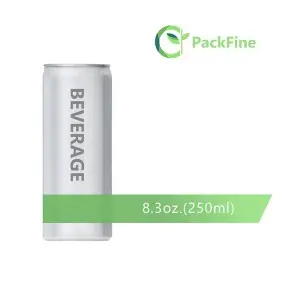
A 250ml Slim Can is a common slim-format aluminum beverage can. Compared with a traditional standard can, it has a narrower and taller profile, giving a 250ml beverage a lighter and more distinctive appearance.
This format is commonly used for energy drinks, functional beverages, vitamin drinks, sparkling beverages, ready-to-drink coffee, tea drinks, and other compact beverage formats.
Its value goes beyond simply holding 250ml of liquid. A well-matched slim can can help balance serving size, beverage protection, visual differentiation, and drinking experience.
How Can a Small Beverage Avoid Looking Too Short?
One common challenge with smaller beverage volumes is package proportion.
When a small volume is placed in a relatively wide can, the finished package can appear short and compact. This may not fit beverages that are intended to communicate energy, functionality, lightness, or a more modern image.
A Slim Can addresses this issue through a narrower and taller body shape.
This format is particularly useful when a beverage needs to:
- Maintain a compact serving size without looking too small
- Stand apart from traditional carbonated soft drink packaging
- Present a more modern or functional image
- Provide more vertical space for package graphics
- Create clearer differences between beverage varieties
In this sense, the 250ml Slim Can solves an important packaging challenge: how to maintain strong visual presence with a relatively small beverage volume.
What Beverages Are Suitable for a 250ml Slim Can?
Different beverages require different serving sizes and packaging formats.
A 250ml capacity is especially suitable for drinks with a clearly defined single serving, concentrated flavor, or functional positioning.
Energy Drinks
Energy drinks often contain caffeine, vitamins, taurine, or other functional ingredients, so a large serving volume is not always necessary.
A 250ml slim aluminum can keeps the package compact while creating the tall and narrow appearance commonly associated with energy beverage categories.
Functional and Vitamin Drinks
For beverages focused on nutrition, wellness, or functional ingredients, a smaller serving size can help create a clear single-consumption format.
The slim body also provides useful vertical space for displaying ingredient information, functional elements, and distinctive graphics.
Sparkling Beverages
Many modern sparkling beverages are designed to look different from conventional soft drinks.
Functional sparkling water, fruit-flavored sparkling drinks, and botanical beverages can use a slim can to create a lighter and more contemporary visual identity.
Ready-to-Drink Coffee and Tea
Some RTD coffee, milk coffee, tea, and concentrated beverages do not require a large serving size.
A 250ml Slim Can can keep the package portable while allowing coffee beans, tea leaves, ingredients, and other visual elements to be clearly presented on the can body.
Other Specialty Beverages
Fruit-flavored beverages, plant-based drinks, sports beverages, and other specialty ready-to-drink products may also use slim cans depending on their formulation and serving requirements.
However, can selection should not be based only on the beverage category.
Acidity, carbonation level, formulation, ingredients, and storage conditions should also be considered when determining the appropriate beverage packaging.
How Does an Aluminum Can Help Protect the Beverage?
Appearance is only one function of beverage packaging.
A more important consideration is whether the container can help maintain beverage quality during storage and distribution.
Aluminum beverage cans provide excellent protection against external light. This can be valuable for beverages containing flavors, colors, or ingredients that may be affected by light exposure.
Once properly sealed, the can body and can end form a closed package that also helps limit exposure to the external environment.
This is particularly important for carbonated beverages, where the package must help maintain internal pressure and carbonation.
For this reason, selecting a 250ml Slim Can should involve more than evaluating its shape. The package must also be suitable for the characteristics and storage requirements of the beverage inside.
Why Is the Internal Coating Important?
Beverages are generally not intended to remain in direct contact with bare aluminum.
Beverage cans use an internal coating that creates a protective barrier between the liquid and the metal surface.
Different beverages have very different formulations.
For example:
- Carbonated drinks may combine acidity with internal pressure
- Fruit-flavored beverages can contain organic acids
- Energy drinks may contain multiple functional ingredients
- Coffee and tea products have their own flavor and formulation characteristics
Because of these differences, compatibility between the beverage formulation and the internal coating is an important part of aluminum can packaging.
An appropriate coating system helps protect beverage quality and reduces unwanted interaction between the contents and the metal surface.
This is why two beverages using the same 250ml capacity may still require different packaging considerations.
The final decision should consider more than appearance and volume.
Why Should the Can Body and Can End Be Considered Together?
A complete beverage package consists of more than the can body.
The can body and can end should work together as a complete packaging system.
The can end provides both sealing and opening functions.
For carbonated beverages and many energy drinks, internal pressure makes proper compatibility between the can body, end, and sealing area particularly important.
Different opening styles, tabs, and end designs can also influence the appearance and drinking experience of the finished product.
For this reason, selecting a suitable can end together with the slim can body is more practical than considering the container body alone.
Why Does a Slim Can Work Well for Distinctive Packaging Design?
The tall and narrow proportions of a Slim Can already create a recognizable package shape.
This structure is particularly suitable for vertical graphic design.
The can body can be used for elements such as:
- Vertical brand names
- Prominent logos
- Fruit or botanical graphics
- Coffee or tea ingredient visuals
- Functional ingredient icons
- Gradient artwork
- Minimalist solid-color designs
- Continuous wraparound graphics
Compared with a conventional standard can, a slim format can give vertical branding elements more visual impact.
For beverage ranges with multiple flavors or varieties, different can colors, graphics, and end designs can also help create clearer differentiation.
The can itself therefore becomes part of the overall product identity rather than simply serving as a container.
Slim Can, Sleek Can, or Standard Can: Which Format Makes More Sense?
Slim, sleek, and standard cans are all aluminum beverage packaging formats, but their proportions and visual effects are different.
A Slim Can generally has a narrower and taller appearance. It works well for beverages that emphasize compact serving sizes, functional positioning, and strong visual differentiation.
A Sleek Can also has an elongated appearance, but it is usually somewhat wider. It provides a balance between a modern profile and the proportions of a more conventional beverage can.
A Standard Can has the familiar proportions widely associated with soft drinks, beer, sparkling beverages, and many mainstream beverage categories.
There is no single can format that is suitable for every beverage.
Instead, several questions should be considered:
What is the appropriate single-serving volume?
What package proportion fits the beverage concept?
Is the beverage carbonated?
Does the product need a strong functional or distinctive visual identity?
Will the design rely more on vertical or wider graphic elements?
These factors help determine whether a slim, sleek, or standard can is the better fit.
What Practical Needs Can a 250ml Slim Can Address?
Overall, a 250ml Slim Can can address several important beverage packaging needs.
Controlled Serving Size
It works well for energy drinks, functional beverages, and specialty drinks that do not require a large serving volume.
Better Proportions for Small-Volume Beverages
Its tall, narrow body helps prevent a 250ml package from appearing too short or visually compressed.
Stronger Product Differentiation
The slim profile creates a clear visual difference from many traditional soft drink cans.
More Vertical Design Opportunities
The can shape works well with vertical logos, ingredient graphics, functional information, and distinctive branding.
Beverage Protection
The aluminum body provides strong light protection and can work with an appropriate internal coating and can end to form a complete beverage package.
Versatility Across Beverage Categories
Energy drinks, functional beverages, sparkling drinks, coffee, tea, and other compact ready-to-drink products can all use this format when the can specification matches the beverage formulation.
Packfine 250ml Slim Aluminum Can
Selecting an aluminum beverage can involves more than choosing a capacity.
Can proportions, beverage formulation, internal coating, can end, decoration, and overall package design should be considered together.
Packfine provides 250ml Slim Aluminum Cans with compatible can ends for energy drinks, functional beverages, sparkling beverages, and other ready-to-drink products.
Different printing, surface decoration, can end, and packaging options can be matched according to beverage characteristics and visual requirements.
In addition to 250ml Slim Cans, Slim, Sleek, and Standard aluminum beverage can formats are available for different capacities and beverage positioning, allowing the can shape to better match the beverage itself and the intended package appearance.
FAQ
What beverages are commonly packed in 250ml Slim Cans?
Common applications include energy drinks, functional beverages, vitamin drinks, sparkling beverages, ready-to-drink coffee, tea, and other small-volume beverages. The final can specification should also consider acidity, carbonation, formulation, and storage requirements.
What are the main advantages of a 250ml Slim Can?
Its narrow and tall profile combines a compact serving size with a distinctive appearance. It also provides useful vertical design space, comfortable handling, and strong differentiation from more conventional beverage can formats.
What is the difference between a Slim Can and a Sleek Can?
Both have elongated proportions, but Slim Cans are generally narrower and taller, while Sleek Cans are somewhat wider. Their different proportions create different visual effects and suit different beverage packaging styles.
Is capacity the only factor when choosing an aluminum beverage can?
No. Beverage type, acidity, carbonation, internal coating compatibility, can end, body proportions, and package design should all be considered. A well-matched combination helps create a more complete and reliable beverage packaging solution.
Post time: Aug-07-2026