


In the global beverage packaging industry, can ends play a critical role in product sealing, opening performance, filling compatibility, and overall consumer experience. Among the many specifications used in aluminum beverage packaging, 202 end cans remain one of the most widely adopted standards for soft drinks, beer, energy drinks, sparkling water, and functional beverages.
For beverage manufacturers, distributors, canning companies, and private label brands, selecting the right can end specification directly affects production efficiency, packaging stability, transportation safety, and customer satisfaction. Because of their balance between performance, compatibility, and cost-efficiency, 202 end cans continue to dominate beverage packaging markets worldwide.
This article explores what 202 end cans are, their applications, advantages, compatibility features, and why they remain a preferred packaging solution for modern beverage brands.
What Are 202 End Cans?
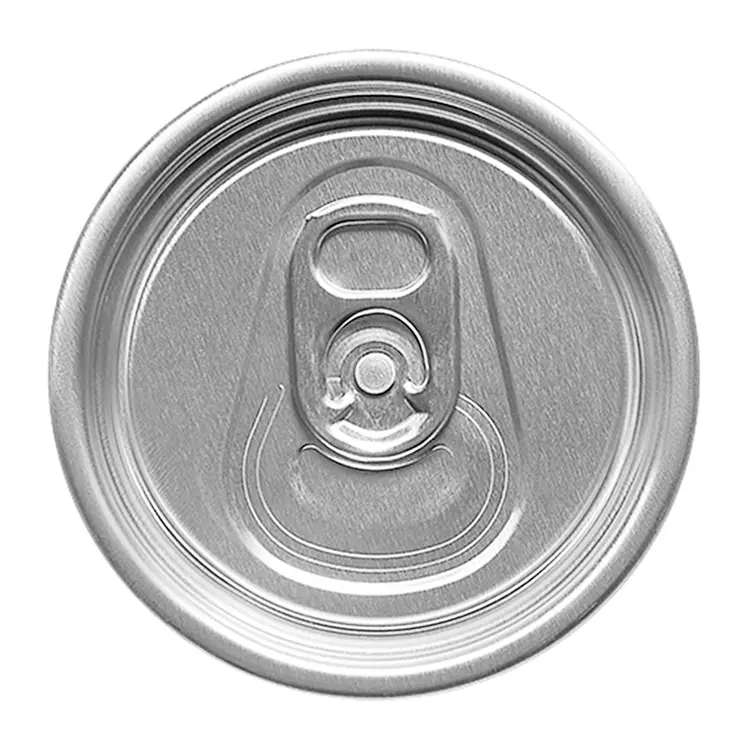
A 202 end refers to a beverage can lid specification with a diameter of approximately 2.125 inches. It is one of the most commonly used aluminum can end sizes in the beverage industry.
The “202” specification describes the lid diameter rather than the body height of the can. These ends are typically paired with sleek cans, standard cans, and slim cans used across multiple beverage categories.
202 can ends are commonly used for:
● Carbonated soft drinks
● Energy drinks
● Beer packaging
● Sparkling water
● Functional beverages
● Ready-to-drink coffee
● Flavored beverages
● Vitamin drinks
Because of their universal compatibility and mature production standards, 202 ends are widely accepted by filling lines and packaging systems worldwide.
Why 202 End Cans Are So Popular in Beverage Packaging
The beverage industry requires packaging solutions that balance sealing performance, manufacturing efficiency, logistics reliability, and consumer convenience.
202 end cans have become the industry standard because they meet these requirements effectively.
Excellent Compatibility with Beverage Filling Lines
One of the biggest advantages of 202 end cans is their strong compatibility with global canning equipment.
Most modern beverage production lines are designed to support 202 end specifications, making them highly practical for:
● Large-scale beverage factories
● OEM beverage manufacturers
● Contract filling companies
● Private label beverage projects
This compatibility helps manufacturers reduce production adjustments and maintain stable filling efficiency.
For international beverage brands, standardized 202 ends also simplify global sourcing and supply chain management.
Reliable Sealing Performance
Sealing quality is essential for beverage packaging, especially for carbonated drinks and products requiring extended shelf life.
202 end cans are designed to provide:
● Stable sealing integrity
● Strong pressure resistance
● Reduced leakage risks
● Better product freshness protection
This is particularly important for:
● Carbonated beverages
● Sparkling water
● Beer products
● Energy drinks
Reliable sealing performance helps protect beverage taste, carbonation stability, and overall product quality during transportation and storage.
Consumer-Friendly Opening Experience
Modern consumers expect beverage packaging to be convenient and easy to use.
202 ends are commonly paired with stay-on-tab opening systems that improve user experience by offering:
● Easy opening force
● Smooth drinking experience
● Safer opening design
● Improved portability
The opening structure has become highly familiar to global consumers, making 202 ends a practical and user-friendly solution for mass-market beverage products.
Suitable for Multiple Can Styles
Another reason why 202 end cans remain popular is their flexibility across different aluminum can formats.
They are commonly used with:
● Standard beverage cans
● Sleek cans
● Slim cans
This versatility allows beverage brands to maintain consistent end specifications while offering different can body styles for various product lines.
For beverage manufacturers, using unified can end standards can simplify:
● Inventory management
● Procurement planning
● Filling line setup
● Packaging operations
This operational efficiency becomes especially valuable for companies producing multiple beverage categories.
Strong Support for High-Speed Production
Modern beverage factories often operate at extremely high filling speeds.
202 end cans are designed to support:
● High-speed sealing operations
● Automated production lines
● Stable seaming performance
● Consistent production quality
This makes them highly suitable for industrial-scale beverage manufacturing.
For beverage OEM factories and large distributors, production stability is critical for maintaining delivery schedules and reducing downtime.
Cost-Effective Packaging Solution
Packaging cost control is a major concern for beverage companies.
Because 202 ends are widely standardized across the global beverage industry, they benefit from:
● Mature supply chains
● Large-scale production efficiency
● Stable raw material sourcing
● Competitive pricing structures
Compared with less common packaging specifications, 202 end cans often provide better cost-performance balance for beverage manufacturers.
For B2B buyers, this can help improve overall packaging budget management while maintaining packaging quality.
Widely Used in Energy Drink Packaging
Energy drinks are one of the fastest-growing beverage categories worldwide, and 202 end cans are heavily used in this market.
Energy drink brands prefer 202 ends because they:
● Match sleek can packaging formats
● Support high carbonation products
● Provide premium consumer perception
● Work well with modern branding designs
Many premium energy drink brands use 202 ends alongside slim aluminum cans to create a more modern and performance-oriented appearance.
Suitable for Carbonated Beverage Applications
Carbonated drinks place higher pressure demands on packaging systems.
202 end cans are widely trusted in carbonated beverage applications because they provide:
● Strong pressure resistance
● Reliable seam integrity
● Stable long-distance transportation performance
● Reduced packaging failure risks
This makes them highly suitable for:
● Soda drinks
● Sparkling water
● Beer
● Carbonated juice beverages
For exporters and distributors, packaging reliability is especially important during international shipping.
Supports Premium Beverage Branding
Packaging appearance strongly affects consumer purchasing decisions.
202 ends are compatible with modern packaging trends such as:
● Sleek cans
● Matte-finish cans
● Printed aluminum cans
● Premium beverage packaging
● Functional drink branding
This flexibility allows beverage brands to combine reliable packaging performance with premium visual presentation.
As beverage markets continue shifting toward premiumization, 202 end packaging remains highly adaptable to evolving branding strategies.
Sustainability Advantages of Aluminum Can Ends
Sustainability has become a major focus in beverage packaging.
Aluminum 202 ends support environmentally friendly packaging goals because they are:
● Recyclable
● Lightweight
● Suitable for circular recycling systems
● Efficient for transportation
Compared with certain plastic packaging materials, aluminum can packaging offers stronger recycling potential and broader market acceptance.
Many beverage companies now actively promote aluminum packaging as part of their ESG and sustainability initiatives.
Future Trends for 202 End Beverage Packaging
Although beverage packaging continues evolving, 202 end cans are expected to remain a dominant standard because of their balance between compatibility, efficiency, and consumer familiarity.
Several market trends will continue supporting their growth:
● Expansion of energy drink markets
● Growth of sparkling water products
● Increasing demand for sleek can packaging
● Rising global beverage consumption
● Continued development of recyclable packaging systems
As beverage companies continue investing in premium aluminum packaging, 202 end cans will likely remain one of the most important packaging components in the beverage industry.
Conclusion
202 end cans continue to play a critical role in global beverage packaging because they provide strong compatibility, reliable sealing performance, efficient production support, and excellent consumer convenience.
For beverage manufacturers, OEM suppliers, distributors, and private label brands, 202 ends offer a practical balance between operational efficiency, product protection, branding flexibility, and packaging cost control.
As modern beverage markets continue evolving toward premiumization, portability, and sustainability, 202 end cans remain one of the most reliable and widely accepted packaging standards in the global beverage industry.
FAQ
1、What does 202 end mean in beverage packaging?
A 202 end refers to an aluminum beverage can lid with a diameter of approximately 2.125 inches, widely used for beverage cans worldwide.
2、Which beverages commonly use 202 end cans?
Soft drinks, energy drinks, sparkling water, beer, functional beverages, and ready-to-drink coffee products commonly use 202 ends.
3、Are 202 end cans suitable for sleek cans?
Yes. 202 ends are widely compatible with sleek cans, slim cans, and standard beverage cans.
4、Are aluminum 202 end cans recyclable?
Yes. Aluminum 202 ends are recyclable and support sustainable beverage packaging systems.
Post time: May-09-2026