


Scoring design is a critical part of aluminum beverage can ends because it determines how the opening panel separates from the surrounding metal when a consumer lifts the tab. The score must allow controlled opening without compromising the can’s ability to contain pressure or maintain product integrity before use. Balancing these requirements involves more than creating a line that is easy to break; it requires careful coordination between material thickness, score geometry, tab movement, and the overall end structure.
How Does Scoring Work on an Aluminum Can End?
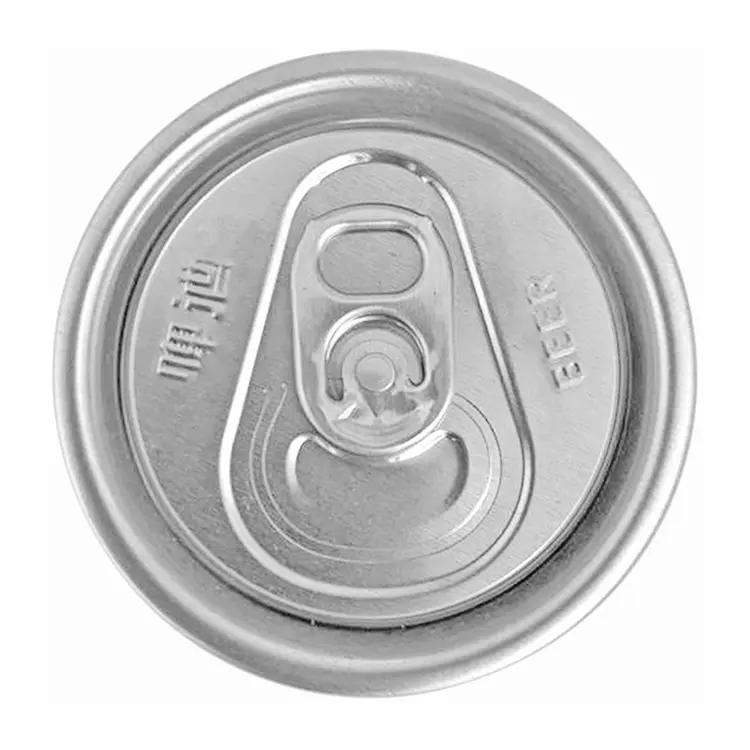
A score is a deliberately formed groove in the metal that defines the intended opening area. In a typical stay-on-tab beverage end, the score outlines a panel that begins to separate when the consumer lifts the tab. The tab applies force to a designated region, initiating fracture along the score so the opening develops in a controlled direction. The remaining metal beneath the score is particularly important. If too much material is removed, the panel may become vulnerable to premature rupture during manufacturing, transportation, or storage. If too much material remains, the consumer may need excessive force to initiate opening, or the panel may not separate as intended.
Why Must Opening Force and Package Integrity Be Balanced?
An aluminum beverage can end must perform two different functions at different stages of its life. Before opening, it must remain securely closed under the conditions expected during filling, distribution, storage, and handling. During opening, it must respond to a manageable force applied through the tab. These requirements can conflict. A deeper score may reduce the force needed to initiate fracture, but it can also reduce the margin against unintended damage. A shallower score may preserve more metal but make opening more difficult or inconsistent.
Pressure adds another consideration. Carbonated beverages can develop substantial internal pressure, particularly as temperature rises. The end structure must resist this pressure without unwanted deformation or leakage, while the score must remain intact until intentional opening. Performance depends on the whole end design, including its panel geometry, material properties, and attachment to the can body. For this reason, scoring parameters should be validated alongside package-level performance. A score that appears satisfactory in an isolated inspection may behave differently when combined with the finished end, seaming conditions, internal pressure, and actual distribution environment.
Which Scoring Characteristics Affect Opening Performance?
- Residual metal thickness: The metal remaining at the bottom of the score strongly influences fracture initiation. Variation in residual thickness can produce differences in opening force and package robustness.
- Score depth and profile: Groove geometry determines how stress concentrates along the intended fracture path. The correct profile depends on the material and end configuration.
- Score continuity: The groove must guide the fracture along the intended opening panel. Irregularities or unintended interruptions can affect how the panel begins to separate and how the opening progresses.
- Relationship with the tab: The tab’s position, leverage, and contact geometry influence where force is applied. A well-designed score must work with the tab rather than being optimized independently.
- Material consistency: Differences in aluminum thickness, temper, or mechanical properties can change fracture behavior, even when nominal tooling settings remain unchanged.
These characteristics are not independent specifications. For example, modifying the tab geometry may change the force applied to the score, while changing the score profile may alter both opening behavior and the strength of the unopened end.For Aluminum Beverage Can Ends Embossed End designs, the relationship between embossing patterns and score geometry must be carefully evaluated to maintain controlled opening performance and structural integrity.
What Problems Can Incorrect Scoring Cause?
A score that is too deep or locally inconsistent may reduce resistance to pressure or mechanical damage. Depending on the design and operating conditions, this can increase the risk of premature opening, leakage, or rupture. Conversely, a score that is too shallow may require excessive opening force or prevent the panel from separating along the intended path.
An inconsistent score can also produce irregular fracture behavior. The opening panel might separate too early in one area and resist separation in another, affecting the size and shape of the resulting aperture. This matters because the opening must support the intended drinking or pouring experience without creating unintended sharp edges or loose metal fragments.
Not every opening problem originates in scoring. Tab geometry, rivet integrity, end forming, material variation, and handling damage can contribute to similar symptoms.
How Is Scoring Consistency Maintained During Manufacturing?
Scoring performance depends on controlled forming conditions and repeatable inspection. The score is produced using specialized tooling, so tool condition, alignment, press settings, and material variation can all influence the resulting groove.
Inspection should focus on the characteristics that determine functional performance, not just whether the score is visually present. Depending on the production specification, this can include residual thickness measurements, score profile checks, opening-force testing, and assessments of the finished end’s resistance to pressure and damage.
Process control is particularly important when tooling wears or production conditions change. A setting that produces acceptable results initially may drift as equipment operates over time. Monitoring relevant measurements helps identify changes before they lead to a larger batch of inconsistent ends.
Testing should also reflect the intended application. Ends used for carbonated beverages may face different pressure requirements from those used for non-carbonated drinks. Filling temperatures, thermal processing, storage conditions, and distribution environments can further affect the validation plan. Acceptance criteria should therefore be based on the actual package design and applicable requirements, rather than a universal score-depth value.
How Should Scoring Be Evaluated for Different Beverage Applications?
The appropriate scoring design depends on the beverage, end format, can dimensions, opening mechanism, and expected service conditions. For carbonated beverages, internal pressure and temperature exposure are central considerations. The score must preserve package integrity throughout the expected distribution cycle while enabling controlled opening by the consumer. For non-carbonated beverages, pressure demands may differ, but reliable opening and resistance to handling damage remain important.
The intended opening experience also matters. A beverage designed for direct consumption may require a different aperture configuration from one commonly poured into another container. The score and tab must work together to create the intended opening without excessive force or unpredictable fracture.
Before approving a scoring design, the end specification should be assessed against the can body, seaming process, filling conditions, and applicable performance requirements. Physical testing of representative finished packages is more meaningful than evaluating the score groove alone. Any change to material, tooling, or opening geometry should trigger an appropriate review to determine whether existing validation remains applicable.
Aluminum Beverage Can Ends for Different Packaging Needs
Selecting suitable aluminum beverage can ends involves more than choosing an opening mechanism. Beverage type, can diameter, tab configuration, and packaging design all influence the final specification. For projects that require a distinctive appearance, embossed ends can incorporate raised patterns or lettering, while different end formats and opening styles accommodate varying product and filling requirements. The key is to balance design preferences with functional compatibility. By evaluating the intended application, canning line requirements, and customization options together, beverage brands can identify an end solution that supports both reliable package performance and a consistent product presentation.
Conclusion
Scoring design determines how an aluminum beverage can end opens while helping preserve package integrity before use. Residual metal thickness, groove geometry, material properties, and tab interaction all influence opening force and fracture consistency. Because these factors work together, scoring should be developed and validated as part of the complete can-end system. Appropriate testing and production monitoring help ensure that the opening mechanism remains reliable under the conditions for which the package is designed.
FAQ
1. Is score depth the only factor that determines opening force?
No. Residual metal thickness, score profile, aluminum properties, tab leverage, and the overall end geometry can all affect opening force. Score depth alone cannot reliably predict performance.
2. Can an embossed pattern be placed near the scored opening area?
Potentially, but the location and geometry must be assessed carefully. Embossing should not interfere with the score, tab movement, or the structural performance of the end. Suitability depends on the specific design and must be verified through testing.
3. Why should scoring performance be checked after changes to the can-end design?
Changes to material, tooling, panel geometry, or tab configuration may alter fracture behavior and package strength. Revalidation helps establish whether the modified design still meets its opening and integrity requirements.
4. Does a can end that opens easily always provide better performance?
No. Easy opening is only one requirement. The end must also remain sealed and withstand expected pressure, handling, and distribution conditions before use. The goal is controlled opening combined with reliable package integrity.
Post time: Oct-23-2026