


A beverage can lid may look like a small packaging component, but its design affects opening convenience, drinking experience, sealing performance, and manufacturing consistency. Different beverages and consumption situations place different demands on the lid. Some require a familiar opening for direct drinking, while others benefit from a wider aperture that makes pouring easier. Understanding these differences explains why a beverage can lid is available in multiple opening styles and dimensions.
How Does a Beverage Can Lid Opening System Work?
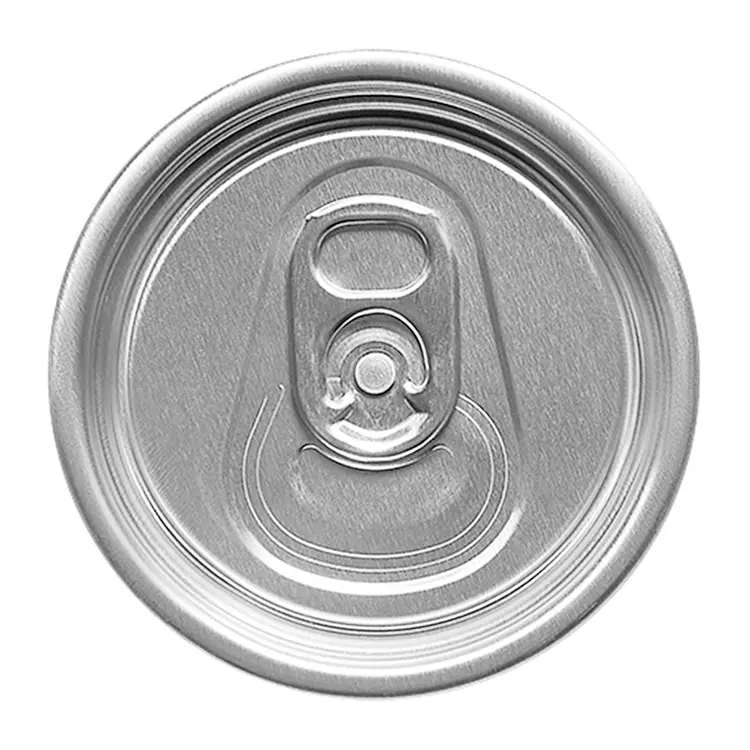
Most conventional beverage can ends use a scored panel and a pull tab to create a controlled opening. When the consumer lifts the tab, force is transferred to a designated area of the lid. The scored metal then fractures along a predetermined path, allowing the contents to be accessed without removing the entire lid.
This process depends on several connected design elements. The score line defines where the metal opens, while the tab provides leverage. The rivet or attachment point transfers force from the tab to the scored panel. These elements must work together so that the opening process feels predictable rather than requiring excessive effort. Score depth is particularly important. If the score is too shallow, opening may require greater force or become inconsistent. If it is too deep, the lid may become more vulnerable to damage during handling or storage.
The beverage can lid must also retain its integrity before use. During distribution, cans may experience stacking pressure, vibration, temperature changes, and repeated handling. The opening panel must remain intact under expected conditions while still allowing consumers to open it when needed.
Why Do Different Beverages Need Different Opening Designs?
A beverage’s intended use is one of the main reasons opening systems vary. Beer, soft drinks, juice, coffee, and energy drinks may all be packaged in aluminum cans, but their packaging formats and consumption habits are not necessarily identical.
For products usually consumed directly from the can, the opening should provide a comfortable drinking experience and allow liquid to flow at a manageable rate. A conventional stay-on-tab design can meet this requirement without leaving a detached metal panel after opening. Products that are frequently poured into cups may benefit from a larger aperture. A wider opening can provide more room for liquid to flow, although the final result also depends on the can’s orientation, the beverage’s properties, and the shape of the opening.
Packaging dimensions matter as well. A lid designed for a smaller can cannot automatically be treated as interchangeable with one intended for a different diameter. The lid must match the can body’s specifications and the equipment used to form and seal the package. These differences mean that opening design should be considered alongside the beverage format rather than selected solely by appearance.
Stay-On-Tab and Full-Aperture Lids: What Is the Difference?
Two important opening approaches are stay-on-tab ends and full-aperture easy-open ends. Although both provide access to the beverage, they create different opening areas and involve different structural arrangements.
- Stay-on-tab ends: A scored panel is pushed inward when the consumer lifts the tab, but it remains attached to the lid. This reduces the chance of a separate metal panel becoming loose after opening. The design is widely used for conventional beverage cans where convenient direct drinking is a priority.
- Full-aperture easy-open ends: A larger portion of the lid is designed to open or be removed, creating a wider access area. This can be useful when easier pouring or a broader opening is desirable. However, the opening mechanism and panel structure must be designed for the intended application.
A stay-on-tab end must retain the opened panel in a controlled position, while a full-aperture design must account for the larger area being opened and how the removed section is handled. Choosing between them depends on the intended drinking experience, package dimensions, consumer expectations, and production compatibility.
How Does Opening Size Affect the Drinking Experience?
For direct drinking, the opening needs to provide a comfortable contact area and a manageable flow rate. Its position also matters because consumers tilt the can during use. If the opening geometry does not suit the intended drinking position, the experience may feel less natural. For pouring, a wider opening can reduce restrictions on liquid flow. This can be helpful when the beverage is commonly transferred into a glass or shared between people. Nevertheless, a larger aperture may require a different opening panel and score configuration, so the design must be evaluated as a complete system.
Opening size also affects the remaining structure of the lid. The scored region interrupts the continuous metal surface, meaning its shape and location influence how forces are distributed. Any change to the opening area should therefore be assessed alongside the lid’s strength and opening performance. A well-designed beverage can lid balances aperture size with controlled opening, structural integrity, and practical use.
Why Are Lid Dimensions and Sealing Compatibility Important?
If the lid is incompatible with the can body, the result may be an inconsistent seam or reduced sealing reliability. This is why selecting an opening style alone is not enough. Diameter, end profile, material specifications, and seaming requirements also need to be checked.
The lid must perform two different jobs at different stages. Before opening, it needs to help protect the beverage and maintain the package’s seal. During opening, it must respond predictably to the force applied through the tab or other opening mechanism. These requirements can conflict if the design is not properly balanced. Manufacturing consistency is equally important. Variations in scoring, tab placement, forming, or other critical dimensions may affect the opening force and finished package quality. Quality checks should therefore cover both opening performance and sealing compatibility rather than treating them as unrelated concerns.
What Should Be Considered When Selecting a Beverage Can Lid?
- Define the intended use: Determine whether consumers will mainly drink directly from the can, pour the beverage into a glass, or need a larger opening. This helps narrow the choice between conventional stay-on-tab and full-aperture designs.
- Confirm dimensions and compatibility: Match the lid diameter and profile to the can body, and verify compatibility with the intended seaming equipment. Do not assume that similar-looking lids are interchangeable.
- Evaluate opening and sealing performance: Consider the score design, tab operation, opening force, and seal integrity together. The lid should remain secure before use and open consistently when required.
- Review production and appearance requirements: Check whether the selected design supports the intended manufacturing process and whether additional options, such as printed surfaces or customized tabs, are appropriate for the package.
This approach helps identify potential conflicts before a design enters regular production. It also makes it easier to compare alternatives based on actual packaging needs instead of relying on a single feature.
Beverage Can Lid Options for Different Packaging Needs
Different beverage products may require different combinations of opening style, diameter, and appearance. Available aluminum can-end formats include SOT (stay-on-tab) and RPT (ring-pull tab) designs, as well as full-aperture easy-open ends. Custom options can also include printed ends, colored tabs, and embossed details, depending on the selected design and production requirements.
When developing a packaging solution, it is useful to assess the lid and can body together, taking into account the intended beverage, opening experience, sealing requirements, and production compatibility. Reviewing the available specifications, drawings, and samples can help clarify whether a particular beverage can lid meets the application’s needs before the design is finalized.
Conclusion
Beverage can lids use different opening systems because beverages and packaging formats have different requirements. Stay-on-tab designs keep the opened panel attached to the lid, while full-aperture ends provide a larger opening for applications that benefit from easier access. Opening size, score geometry, tab design, sealing compatibility, and manufacturing consistency all influence the final result. Selecting the right lid means balancing these requirements to create packaging that is convenient to use and reliable in production.
Frequently Asked Questions
1. What does SOT mean on a beverage can lid?
SOT stands for stay-on tab. The opening panel remains attached to the lid after the consumer opens the can, reducing the chance of a separate metal piece becoming loose.
2. Are RPT and SOT beverage can ends the same?
They refer to different tab design classifications. Their exact construction and opening behavior depend on the specific end design, so the relevant specifications should be checked before selecting a lid.
3. Can a beverage can lid be customized?
Depending on the product format, customization may include printed ends, colored tabs, or embossed details. Any customization should remain compatible with the lid’s functional and manufacturing requirements.
4. Why should a lid sample be checked before production?
A sample allows the lid’s dimensions, opening mechanism, and compatibility with the intended can body to be evaluated. This can help identify design or fit issues before larger production runs begin.
Post time: Oct-26-2026