


The size of a soda can may seem like a simple detail, but in the beverage industry, it plays a critical role in branding, production efficiency, logistics, and consumer behavior. From global soft drink giants to emerging craft soda brands, choosing the right soda can size directly impacts cost structure, shelf presence, and market acceptance. For B2B buyers, beverage manufacturers, and packaging professionals, understanding standard soda can sizes and their applications is essential for making informed decisions.
This article provides a comprehensive overview of soda can sizes used worldwide, explains why different sizes exist, and explores how brands select the most suitable can size for their products.
Understanding the Standard Soda Can Size
When people ask, “What is the size of a soda can?” the most common answer depends on the region. While soda cans are standardized to a large extent, there are notable differences between markets such as North America, Europe, and Asia.
The standard soda can size in the United States is 12 fluid ounces, which equals 355 milliliters. This size has become the benchmark for carbonated soft drinks in the U.S. and Canada and is widely recognized by consumers and retailers alike.
In contrast, the most common soda can size globally is 330 milliliters (approximately 11.2 fluid ounces). This size dominates markets in Europe, Asia, the Middle East, and many parts of South America.
Both sizes are considered “standard” within their respective regions and are fully compatible with modern canning, filling, and packaging systems.
Common Soda Can Sizes Used Worldwide
While 330 ml and 355 ml are the most widely used soda can sizes, the beverage industry offers a range of options designed to meet different consumption habits, price points, and branding strategies.
330 ml Soda Can
The 330 ml soda can is the most internationally recognized format.
● Common in Europe, Asia, Africa, and Oceania
● Widely used for cola, lemon-lime soda, orange soda, and sparkling water
● Ideal for single-serve consumption
● Balances portion control with affordability
● Compatible with most global filling lines
Many multinational beverage brands standardize on 330 ml cans to streamline production across multiple markets.
355 ml Soda Can (12 oz)
The 355 ml can is the default soda can size in North America.
● Standard size for soft drinks in the U.S. and Canada
● Strong consumer familiarity and acceptance
● Optimized for vending machines and retail shelves
● Matches nutritional labeling norms in North America
For brands targeting the U.S. market, 355 ml cans are often the most practical and commercially viable option.
250 ml Mini Soda Can
Mini soda cans have grown significantly in popularity in recent years.
● Smaller portion size for calorie-conscious consumers
● Often used for premium or functional sodas
● Common in airline service, hospitality, and multipacks
● Frequently paired with slim or sleek can designs
Mini cans help brands address health trends without changing the product formulation.
200 ml Soda Can
The 200 ml can is a niche but strategically important size.
● Used for children’s drinks, mixers, and sampling
● Popular in hotels, airlines, and foodservice
● Supports portion control and reduced sugar intake
● Lower liquid volume but often higher margin per unit
This size is particularly effective in controlled-consumption environments.
440 ml and 500 ml Large Soda Cans
Larger soda cans are less common for mainstream soft drinks but still play an important role.
● 440 ml cans are popular in the UK and parts of Europe
● 500 ml cans are common in Europe and selected Asian markets
● Often positioned as value or “extra refreshment” options
● Suitable for convenience stores and impulse purchases
Large soda cans appeal to consumers seeking longer-lasting refreshment or better value per unit.
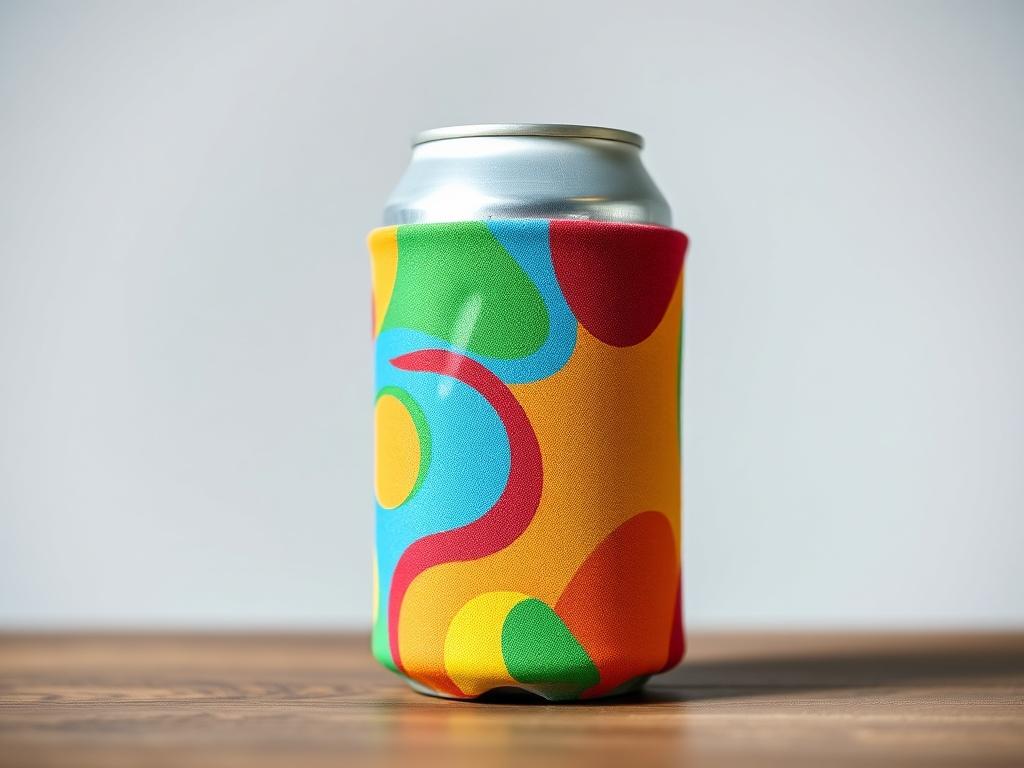
Physical Dimensions of a Soda Can
In addition to liquid volume, soda can size also refers to physical dimensions such as height and diameter. While exact measurements may vary slightly by manufacturer, most standard soda cans share similar proportions.
A typical 330 ml or 355 ml soda can has:
● Diameter: approximately 66 mm
● Height: approximately 115–122 mm
● Standard stay-on tab easy-open lid
Slim and sleek soda cans use the same volume but have a smaller diameter and greater height, offering a modern and premium appearance without changing capacity.
Why Soda Can Size Matters for Brands and Buyers
Choosing the correct soda can size is not only a marketing decision but also a strategic operational one.
Consumer Perception and Behavior
Can size influences how consumers perceive value, health, and convenience.
● Smaller cans suggest portion control and premium positioning
● Standard cans signal familiarity and everyday consumption
● Larger cans emphasize value and extended refreshment
Aligning can size with brand messaging helps reinforce product positioning.
Production and Filling Efficiency
From a manufacturing perspective, standardized soda can sizes offer clear advantages.
● Higher filling line efficiency
● Lower changeover time
● Easier sourcing of cans and lids
● Reduced equipment customization costs
This is especially important for high-volume soda producers.
Trends Influencing Soda Can Size Choices
Several global trends are reshaping how beverage companies think about soda can sizes.
● Growing demand for mini cans due to health awareness
● Increased popularity of sleek and slim cans
● Expansion of premium and craft soda segments
● Sustainability-driven lightweighting across all sizes
Rather than one universal solution, flexible size portfolios are becoming the industry norm.
Conclusion
So, what is the size of a soda can? The answer depends on the market, but the most common sizes are 330 ml globally and 355 ml in North America. Beyond these standards, a wide range of soda can sizes—from 200 ml mini cans to 500 ml large cans—serve different branding, consumption, and logistical purposes.
For B2B decision-makers in the beverage industry, soda can size is far more than a specification. It is a strategic tool that influences consumer perception, production efficiency, and overall profitability. By understanding global standards, regional preferences, and emerging trends, brands can select soda can sizes that strengthen their market position and support sustainable growth.
FAQ
What is the standard size of a soda can?
The standard size is 355 ml (12 oz) in the U.S. and 330 ml in most other countries.
Why do soda can sizes differ by region?
Differences are driven by historical consumption habits, regulations, and market preferences.
Are smaller soda cans becoming more popular?
Yes, mini cans such as 200 ml and 250 ml are growing due to health and portion-control trends.
Can soda can sizes be customized for brands?
Yes, many manufacturers offer customized heights, diameters, and volumes for large B2B orders.
Post time: Jan-16-2026