


A soda can is not simply an empty aluminum container. For carbonated beverage packaging, the can must be designed to hold pressure, protect flavor, maintain shape, support fast filling, and work together with the can end after sealing. This is why soda can suppliers need to provide cans that are suitable for the actual requirements of soda, sparkling water, carbonated drinks, energy drinks, and other fizzy beverages.
Compared with non-carbonated beverages, soda creates internal pressure after filling. The can body must remain stable under this pressure during storage, transport, and retail display. At the same time, the can should be lightweight, easy to chill, recyclable, and suitable for different decoration methods such as printing, labeling, or shrink sleeves.
Basic Structure of a Soda Can
A soda can may look simple from the outside, but its structure includes several important parts. Each part affects filling performance, sealing reliability, and final product stability.
The main parts include:
- Can body: Holds the beverage and provides the main pressure resistance.
- Can bottom: Designed with a concave structure to improve strength under internal pressure.
- Can wall: Usually lightweight but must remain strong enough for handling and filling.
- Necking area: The upper part of the can is shaped to match the can end size.
- Flange: The top edge of the can body that connects with the can end during seaming.
- Internal coating: Helps protect the beverage from direct contact with aluminum.
- Can end: Seals the beverage after filling and provides the easy-open function.
For soda packaging, these parts must work together. If the can body is strong but the flange is unstable, sealing problems may still occur. If the can end is suitable but the can mouth is not consistent, leakage or gas loss may happen after filling.
Why Pressure Resistance Is Important
Pressure resistance is one of the most important technical requirements for soda cans. Carbonated drinks release pressure inside the can after filling. This pressure may increase under warm storage, transport vibration, or temperature changes.
A suitable soda can should be able to support:
- Carbonation pressure after filling
- Stable shape during storage
- Reduced risk of swelling or deformation
- Reliable performance during transportation
- Consistent sealing with the can end
- Safe retail and consumer handling
If the can body is not suitable for carbonated drinks, the finished product may lose gas, leak, deform, or fail pressure testing. For soda, pressure stability is directly related to taste, shelf life, and product quality.
Can Bottom Design and Strength
The bottom of a soda can is not flat by accident. It usually has an inward dome shape, which helps the can resist internal pressure. This structure improves strength while keeping the can lightweight.
A well-designed can bottom helps:
- Distribute internal pressure more evenly
- Improve can stability after filling
- Reduce deformation risk
- Support stacking and transport
- Maintain shape during pressure changes
For carbonated beverages, the can bottom must remain stable even when internal pressure changes. If the bottom structure is weak, the can may deform or become unstable during storage and transport.
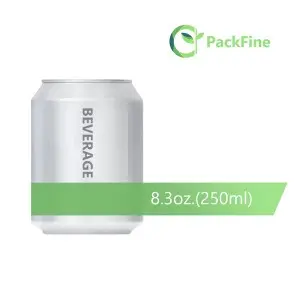
Can Wall Thickness and Lightweight Design
Aluminum beverage cans are designed to be lightweight, but they still need enough strength for filling and distribution. Wall thickness must be controlled carefully. If the wall is too thin, the can may dent or deform easily. If it is too thick, material cost and transport efficiency may be affected.
A good soda can needs balance between:
- Lightweight packaging
- Sufficient pressure strength
- Dent resistance
- Stable production performance
- Efficient transportation
- Suitable retail handling
This balance is important because soda cans are usually produced and filled in large quantities. Consistent can wall quality helps reduce problems during filling, packing, and shipping.
Can Mouth, Necking, and Flange Quality
The upper part of the soda can is critical for sealing. The necking area reduces the can opening to match the can end, while the flange forms the connection point during double seaming.
For soda packaging, the necking and flange must be consistent. Problems in this area can cause:
- Poor can end matching
- Weak double seam formation
- Leakage after filling
- Gas loss in carbonated drinks
- Higher rejection rates on the filling line
- Seaming machine adjustment issues
The flange may seem like a small detail, but it is one of the most important parts of the can body. A stable flange helps the can end seal correctly and supports pressure retention after filling.
Internal Coating for Soda Cans
Soda may contain acids, sugar, sweeteners, flavors, colors, caffeine, or functional ingredients. The internal coating of the can helps separate the beverage from the aluminum surface and supports product stability during storage.
A suitable internal coating helps reduce the risk of:
- Flavor change
- Metal contact
- Corrosion
- Color instability
- Shorter shelf life
- Product complaints
Different soda formulas may need different coating considerations. Citrus soda, cola, fruit-flavored sparkling drinks, and functional carbonated beverages may have different acidity and ingredient profiles. Before large-scale filling, the coating should be checked according to the actual beverage formula and storage conditions.
Standard, Sleek, and Slim Soda Cans
Soda cans can be made in different formats. The most common options include standard cans, sleek cans, and slim cans.
Standard soda cans are widely used for mainstream carbonated drinks. They are practical, familiar, and suitable for high-volume retail packaging.
Sleek cans have a more refined shape and are often used for sparkling water, premium soda, and modern beverage brands. They provide a cleaner appearance while still offering practical capacity.
Slim cans are taller and narrower. They are often used for energy drinks, functional beverages, and products that need a more lifestyle-oriented appearance.
The can format affects not only the appearance but also carton design, filling line handling, pallet loading, and consumer experience.
Common Soda Can Sizes
Different markets and beverage categories may use different can sizes. Common soda can sizes include:
| Can Size | Common Use | Packaging Feature |
|---|---|---|
| 250ml | Premium soda, functional drinks, smaller servings | Compact and easy to carry |
| 330ml | Daily soda, sparkling water, international markets | Familiar and widely used |
| 355ml / 12oz | North American soda packaging | Standard single-serve format |
| 473ml | Larger single-serve drinks | Strong shelf presence |
| 500ml | Value-size carbonated beverages | Larger capacity and visible impact |
The right size depends on beverage type, market habits, filling equipment, and packaging design.
Decoration Options for Soda Cans
Soda cans also need strong visual presentation. Aluminum cans can support different decoration methods depending on the project requirement.
Plain cans can be used with labels or shrink sleeves. They are suitable for test batches, small orders, private label products, and multi-flavor lines.
Printed cans create a professional retail appearance and are suitable for stable products with larger order volumes.
Shrink sleeve cans allow full-body graphics and bold color designs. They are often used for seasonal flavors, limited editions, or products that need strong shelf impact.
The decoration method should not affect the can’s sealing, pressure resistance, or filling performance.
Packfine Aluminum Can Options for Soda Packaging
Packfine’s aluminum packaging products are suitable for different soda and carbonated beverage projects, including empty aluminum cans, standard beverage cans, sleek cans, slim cans, printed cans, plain cans, can ends, and easy open ends.
For soda packaging, the can body, can end, internal coating, decoration method, and packing protection should work together as one system. Standard cans can support mainstream soda packaging, sleek cans can create a more modern product image, and plain or printed cans can match different packaging needs.
By combining suitable can formats with matching can ends and reliable packaging details, aluminum cans can better support carbonation retention, sealing stability, clean appearance, and retail performance.
FAQ
1. What makes a can suitable for soda packaging?
A suitable soda can should have pressure resistance, stable can body structure, proper internal coating, consistent flange quality, matching can end compatibility, and reliable sealing performance.
2. What sizes are common for soda cans?
Common soda can sizes include 250ml, 330ml, 355ml / 12oz, 473ml, and 500ml. The right size depends on beverage type, market preference, and filling equipment.
3. Why is the can bottom important for soda cans?
The can bottom helps resist internal pressure. Its dome-shaped structure improves strength and reduces deformation risk after filling carbonated beverages.
4. Why do soda cans need internal coating?
Internal coating helps protect the beverage from direct contact with aluminum. It supports flavor stability, corrosion resistance, and product shelf life.
Conclusion
Soda cans must meet specific technical requirements because carbonated beverages create internal pressure after filling. A good soda can needs stable body strength, proper bottom structure, consistent necking and flange quality, suitable internal coating, correct can end matching, and reliable packing protection.
For soda, sparkling water, energy drinks, and other carbonated beverages, aluminum cans are effective because they combine lightweight performance, pressure stability, recyclability, and strong retail presentation. When the can body, can end, coating, decoration, and testing process are properly matched, soda cans can protect product quality and support stable market packaging.
Post time: Jul-15-2026