


Choosing a Peel Off Lid involves more than finding a cover that fits a food container. Different products place different demands on packaging. Milk powder needs protection against moisture, coffee packaging must preserve product quality, while nuts, candy, meat, and seafood may require different opening and storage considerations. Although one lid format may serve several food categories, that does not mean every application can use exactly the same specification. The food’s physical condition, storage requirements, container design, and filling process all influence the selection.
Start with the Physical Characteristics of the Food
The first step in selecting a Peel Off Lid is to understand what the package will contain. Food characteristics influence how the package is filled, sealed, opened, and stored after opening.
Powdered products, for example, are particularly sensitive to moisture exposure. Milk powder, coffee powder, nutritional powder, and spices may lose their intended quality if moisture enters the package during storage. A suitable peel-off structure needs to provide a reliable initial seal and work with the container’s barrier requirements.
Granular and solid products create different considerations. Nuts, candy, and similar foods may need an opening that allows consumers to pour or remove the contents conveniently. The opening size and container design therefore become important parts of the packaging decision.
Meat and seafood packaging requires a separate evaluation. Product characteristics, processing conditions, preservation methods, and storage temperatures must all be considered before selecting a lid. A lid suitable for a dry product should not automatically be assumed appropriate for products requiring different preservation conditions.
Match the Lid to Different Food Applications
| Food application | Main packaging consideration | Selection priority |
|---|---|---|
| Milk powder and nutritional powder | Moisture exposure and repeated access | Reliable initial sealing and suitable opening access |
| Coffee and cocoa powder | Product protection and storage | Barrier requirements and container compatibility |
| Spices and powdered ingredients | Protection of product quality | Appropriate sealing and material suitability |
| Nuts and candy | Convenient removal of contents | Opening size and package usability |
| Meat and seafood | Product preservation and processing conditions | Compatibility with the complete packaging system |
Powdered Food Products
Milk powder, coffee powder, cocoa, and nutritional ingredients are common applications for peel-off packaging. These products often require protection from moisture and external contamination.
For powdered products, the opening should also allow convenient access without making the contents difficult to remove. Container diameter can influence how easily consumers use a scoop or pour the product after removing the membrane.
Another consideration is storage after the first opening. Some packages use an additional overcap to provide convenient reclosure. However, the overcap and the original peel-off membrane have different functions: the membrane provides the initial seal, while the overcap helps cover the container during subsequent use.
Spices, Nuts, and Candy
Spices and dry food ingredients may be sensitive to environmental exposure, while nuts and candy place greater emphasis on convenient access and product handling.
For these applications, buyers should consider whether the opening allows the contents to be removed without unnecessary difficulty. A narrow opening may be inconvenient for products that need to be poured or taken out in larger quantities.
The container’s shape and intended serving method should therefore influence the lid selection. A package designed for individual portions may have different opening requirements from a larger container intended for repeated household use.
Meat and Seafood Products
Meat and seafood require more careful packaging evaluation because preservation conditions can differ significantly from those of dry foods.
The intended processing method, storage temperature, container material, and sealing process must be reviewed together. A peel-off lid should only be selected after its suitability for the specific product and processing conditions has been confirmed.
This is particularly important when packaging involves heating, sterilization, or other demanding processing conditions. Buyers should not assume that a lid suitable for dry food can automatically withstand these processes.
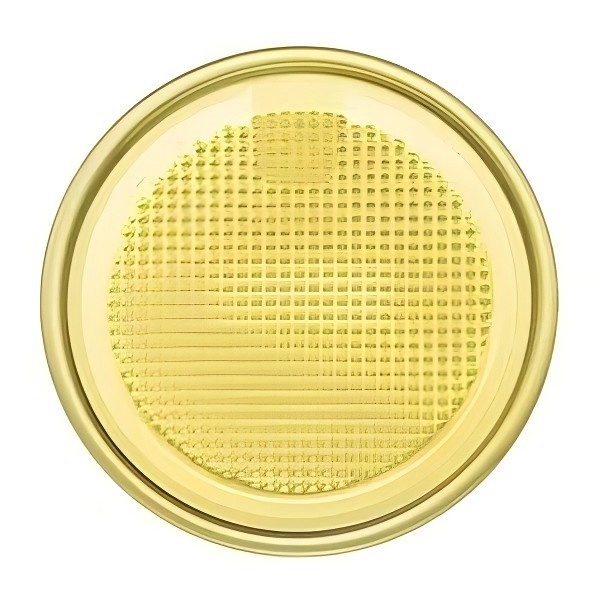
Why Container Compatibility Matters as Much as Food Type
The container and lid form one packaging system. Their dimensions, sealing surfaces, and material characteristics need to work together. If the lid is incompatible with the container, the package may experience sealing difficulties or fail to provide the intended protection.
Buyers should pay attention to the following factors:
- Diameter and container opening: The lid must correspond to the container’s specified opening and sealing area.
- Container material: Different container materials may require different sealing conditions and compatible lid structures.
- Sealing equipment: The lid must be suitable for the available sealing process and equipment.
- Processing requirements: Filling temperature, subsequent treatment, and storage conditions may affect material selection and sealing performance.
A common mistake is selecting a lid based only on its nominal diameter. Two products with similar measurements may still have different sealing requirements because of their container design or material structure.
Before confirming an order, buyers should compare technical drawings and, where necessary, conduct sample sealing tests using the intended container and equipment.
Consider What Happens After the Package Is Opened
Packaging performance should not be evaluated only before opening. The consumer’s experience after removing the lid also affects whether the format is appropriate.
For powdered products, consumers may need to insert a scoop repeatedly. For nuts, candy, and similar foods, they may prefer to pour out a portion without spilling. For larger food packages, convenient access to the contents can be more important than simply making the initial opening easy.
These differences influence the container diameter and opening design that should be considered. A package with a small opening may protect the contents before use but make removal inconvenient. A wider opening may improve access, but it also needs to be supported by an appropriate container and sealing structure.
Some products may benefit from an additional plastic overcap if they are intended for use over multiple occasions. This should be considered during packaging design rather than treated as an automatic feature of every peel-off lid.
What Should Be Confirmed Before Choosing a Peel Off Lid?
Instead of requesting a product based only on the food name, provide information that helps the supplier understand the complete packaging application. Important details include the container type, opening dimensions, food characteristics, filling process, and expected storage conditions.
Sample evaluation is also valuable. A trial can help identify whether the lid fits the container correctly, whether the sealing process is stable, and whether the package can be opened as intended.
For products involving special processing conditions, buyers should confirm material and performance suitability with the supplier before moving into larger production quantities.
These checks help reduce the risk of ordering a lid that appears suitable in a product catalogue but does not perform as expected in actual packaging operations.
Selecting a Peel Off Lid for Different Food Packaging Needs
There is no single peel-off lid specification that automatically suits every food product. Powdered ingredients, spices, nuts, candy, meat, and seafood can all have different requirements for sealing, access, processing, and storage.
The most effective selection process starts with the food’s physical characteristics, then considers the container structure, production conditions, and consumer usage. This approach helps buyers evaluate the complete packaging system instead of choosing a lid based on appearance or diameter alone.
For food packaging applications, Packfine offers aluminum and tinplate peel-off lid options in different formats and sizes. Buyers can provide the food category, container opening, preferred material, processing requirements, and expected order quantity to help identify a suitable option. Confirming these details before ordering makes it easier to match the lid with the intended packaging application.
Conclusion
Choosing the right Peel Off Lid requires an understanding of both the food product and its container. Powdered foods may prioritize moisture protection, solid products may require convenient access, and meat or seafood applications need closer evaluation of processing and preservation conditions. By considering these differences alongside sealing compatibility and post-opening use, buyers can make more appropriate packaging decisions.
FAQs
1. Can one Peel Off Lid specification be used for different food products?
Not always. Different products may have different requirements for sealing, barrier protection, processing, and opening access. A lid may serve multiple applications, but its suitability should be confirmed for each intended use.
2. Are aluminum and tinplate Peel Off Lids suitable for the same applications?
They may overlap in some applications, but they should not be treated as automatically interchangeable. Material suitability depends on the container, sealing process, food characteristics, and storage requirements.
3. Does a wider container opening always provide a better packaging experience?
No. A wider opening can make scooping or removing contents easier, but it must also match the container’s design and sealing requirements. The best opening size depends on the product and how consumers will use it.
4. Should peel-off packaging be tested under actual filling conditions?
Yes. Sample testing with the intended container and sealing equipment helps evaluate compatibility and identify potential problems before larger production orders.
Post time: Nov-20-2026