


Aluminum can ends are an indispensable component of the beverage packaging industry, playing a critical role in product protection, shelf presentation, and production efficiency. With global beverage demand continuously rising, manufacturers face increasing pressure to ensure packaging quality, minimize waste, and meet sustainability targets. Aluminum can ends not only provide sealing to maintain beverage freshness but also support efficient filling and transportation processes, making them a vital factor in B2B production and supply chain optimization.
From a procurement and manufacturing perspective, selecting high-quality aluminum can ends directly affects production reliability, product integrity, and overall cost-effectiveness. Their versatility, recyclability, and lightweight properties make aluminum can ends the preferred solution for soft drinks, beer, energy drinks, and ready-to-drink beverages.
Understanding Aluminum Can Ends
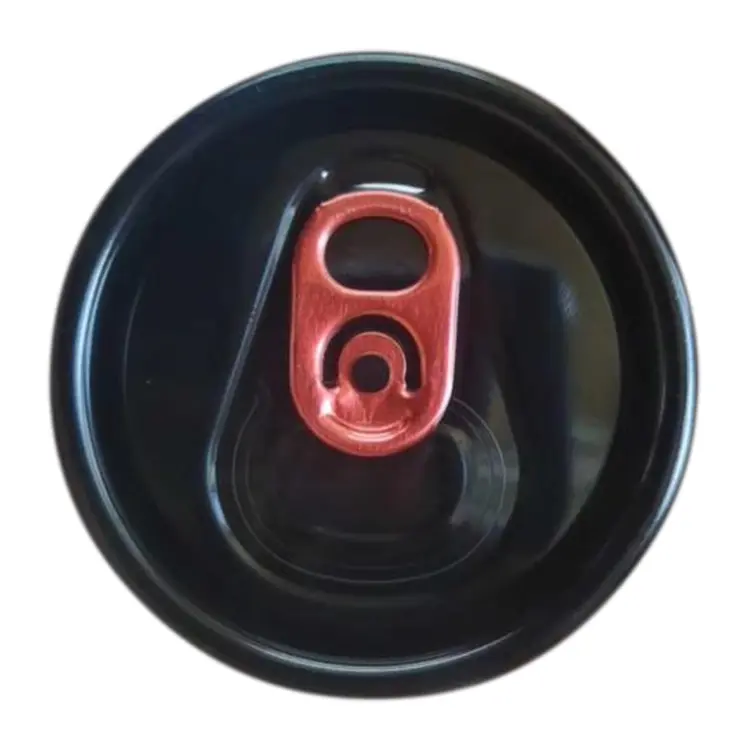
Aluminum can ends are the top closures for beverage cans, typically manufactured from high-grade aluminum alloys to ensure strength, corrosion resistance, and ease of opening. They integrate multiple engineering features to safeguard beverages while enhancing consumer convenience.
Key features of aluminum can ends include:
● High mechanical strength to withstand internal pressure from carbonated beverages
● Excellent sealing performance to preserve freshness and prevent contamination
● Compatibility with automated filling lines and seaming equipment
● Recyclable and lightweight, supporting sustainability initiatives
These design features make aluminum can ends an essential component of modern beverage packaging.
Manufacturing Process and Material Specifications
The production of aluminum can ends requires precision engineering and strict quality control. High-purity aluminum sheets undergo stamping, forming, and rolling processes to achieve precise closure dimensions while maintaining material consistency.
Key material specifications and requirements include:
● Alloy composition optimized for strength and corrosion resistance
● Thickness uniformity to ensure reliable sealing and pressure endurance
● Surface treatment to enhance corrosion resistance and comply with food safety standards
● Dimensional tolerance control for seamless integration with can bodies
This manufacturing process ensures that aluminum can ends meet both operational and product performance requirements in high-volume production.
Applications Across Beverage Sectors
Aluminum can ends are widely used across various beverage sectors due to their reliability and versatility.
Common applications include:
● Carbonated soft drinks and sparkling water, requiring high pressure resistance
● Beer and alcoholic beverages, needing airtight preservation
● Energy drinks and functional beverages, demanding consistent sealing for safety
● Ready-to-drink juices and teas, where lightweight design reduces transportation costs
In each of these sectors, aluminum can ends enhance product integrity, convenience, and brand competitiveness on retail shelves.
Advantages Over Alternative Closures
Compared with plastic or glass closures, aluminum can ends offer several advantages in B2B production:
● Superior barrier properties against oxygen and moisture
● High recyclability, reducing environmental impact
● Lightweight design, lowering shipping and handling costs
● Compatibility with high-speed automated filling and seaming equipment
These benefits make aluminum can ends a cost-effective and sustainable choice for large-scale beverage production.
Product Features and Performance Benefits
Aluminum can ends do more than seal beverages—they provide multiple performance advantages that directly impact production efficiency and product experience. Through scientific design and precision manufacturing, aluminum can ends maintain integrity under high pressure while ensuring ease of use and durability.
Key product features of aluminum can ends include:
● High-strength aluminum alloy material, able to withstand internal pressure from carbonated beverages, preventing breakage and leaks
● Precise stamping and forming processes, ensuring uniform dimensions for seamless sealing with can bodies
● Optimized surface treatment, preventing corrosion while enhancing smooth opening performance
● Lightweight design, reducing transportation costs and improving automation efficiency
● Optional pull-tab or specialty opening designs, enhancing consumer opening experience
These features ensure that aluminum can ends deliver reliable performance across different beverage types and packaging environments, meeting production efficiency and consumer convenience needs.
Sustainability Considerations
Sustainability has become a critical factor in B2B beverage packaging procurement. Aluminum can ends are highly recyclable and align with circular economy initiatives, reducing overall environmental impact.
Key sustainability benefits include:
● 100% recyclability without loss of material quality
● Lightweight design, reducing transportation energy consumption and carbon emissions
● Supporting brands’ eco-friendly packaging initiatives
● Less landfill waste compared to non-metallic closures
Using aluminum can ends helps companies fulfill corporate social responsibility objectives while complying with increasingly strict environmental regulations.
Conclusion
Aluminum can ends are more than closures—they are crucial for ensuring beverage quality, improving production efficiency, and supporting sustainability. By providing reliable sealing, pressure resistance, and compatibility with automated production lines, aluminum can ends enhance both operational and commercial outcomes. For B2B beverage manufacturers, investing in high-quality aluminum can ends ensures product integrity, cost efficiency, and environmental compliance.
FAQ:
What is the primary function of aluminum can ends?
They provide a secure closure for beverage cans, maintaining product freshness, pressure stability, and consumer safety.
How do aluminum can ends compare to alternative closures?
Aluminum can ends offer superior barrier properties, recyclability, lightweight design, and compatibility with automated filling lines compared to plastic or glass closures.
Which beverage sectors commonly use aluminum can ends?
Soft drinks, beer, energy drinks, functional beverages, and ready-to-drink juices and teas.
What factors affect the performance of aluminum can ends?
Alloy selection, mechanical properties, stamping precision, surface treatment, and seam compatibility all influence performance.
Post time: Jan-29-2026