


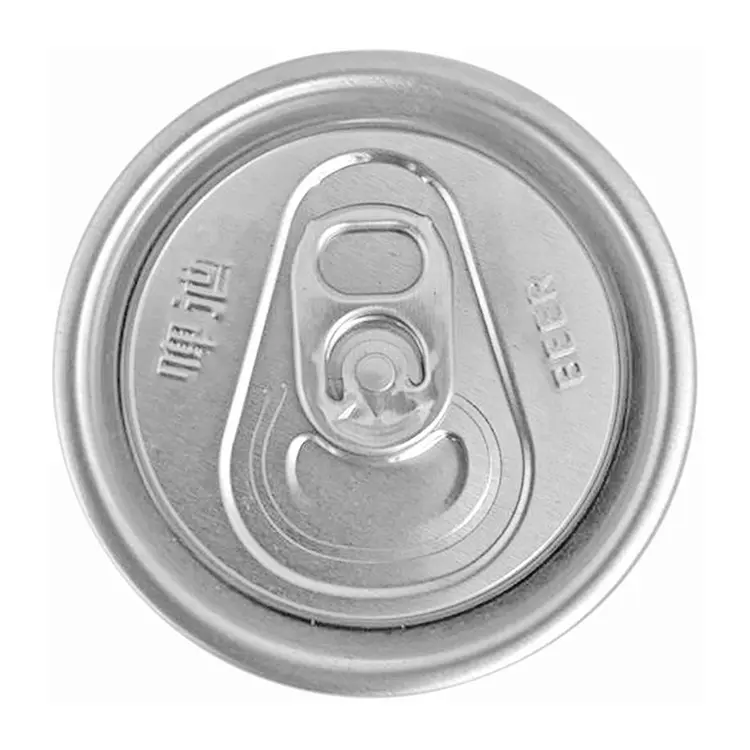
The 202 can end is a fundamental component in the packaging industry, recognized for its efficiency, reliability, and versatility. With a standardized design, it ensures a secure seal for a variety of products, making it indispensable across multiple industrial and commercial sectors. This article explores the main applications of 202 can ends, emphasizing their impact on quality assurance, safety, and operational efficiency.
Understanding 202 Can Ends
A 202 can end is typically made of durable metal, often aluminum or tinplate, and designed to provide a secure closure for cans of all types. These can ends are engineered to withstand pressure, protect contents from contamination, and maintain freshness. Their design allows compatibility with automated canning systems, enhancing production efficiency in industrial environments. With rising demands for safe and long-lasting packaging, 202 can ends are now a preferred choice for manufacturers worldwide.
Key Industrial and Commercial Applications
Food and Beverage Industry
The food and beverage sector is one of the largest consumers of 202 can ends. These ends seal products such as soft drinks, beers, canned fruits, vegetables, soups, and ready-to-eat meals. A robust seal is essential for:
• Maintaining product freshness and flavor
• Preventing contamination from external sources
• Extending shelf life during storage and transportation
For manufacturers, reliable 202 can ends ensure consistent quality while supporting high-speed production lines.
Chemical Industry
In the chemical industry, 202 can ends are critical for safely packaging solvents, industrial lubricants, adhesives, and other chemicals. The secure seal provided by these can ends helps:
• Prevent leakage and accidental spills
• Protect contents from environmental exposure
• Ensure safe handling and transportation
Choosing high-quality can ends minimizes risks associated with handling hazardous substances, protecting both personnel and the environment.
Pharmaceutical Industry
Pharmaceuticals, especially liquid medications, syrups, and herbal supplements, require airtight and secure packaging. 202 can ends help:
• Preserve the potency and efficacy of medications
• Prevent contamination from air or moisture
• Comply with regulatory standards for packaging safety
Medical manufacturers increasingly rely on these can ends to maintain product integrity throughout distribution channels.
Automotive Industry
Automotive products such as lubricants, motor oils, additives, and other fluids benefit from 202 can ends due to their durability and reliability. Key advantages include:
• Preventing leakage during storage and transport
• Protecting sensitive fluids from external contaminants
• Ensuring accurate dispensing for maintenance or manufacturing
For automotive suppliers, using standardized can ends ensures product quality and customer satisfaction.
Paint and Coatings Industry
In paints, primers, varnishes, and protective coatings, 202 can ends help maintain product consistency. They prevent:
• Evaporation of solvents
• Contamination from dust or moisture
• Quality degradation during storage
The reliability of 202 can ends is essential for industrial and commercial applications where consistent product performance is crucial.
Household and Personal Care Products
202 can ends are widely used in packaging aerosol sprays, air fresheners, household cleaners, and personal care items. Benefits include:
• Preserving chemical stability and fragrance
• Maintaining effective application of products
• Ensuring consumer safety and satisfaction
Reliable sealing solutions enhance brand reputation and reduce returns due to product leakage or spoilage.
Agricultural Industry
In agriculture, 202 can ends secure packaging for fertilizers, pesticides, herbicides, and other chemicals. Advantages include:
• Reducing spillage and waste
• Protecting sensitive formulations from environmental exposure
• Facilitating safe transportation and storage
By using durable can ends, agricultural suppliers ensure safe delivery of essential products to farmers and distributors.
Benefits of Using 202 Can Ends
• Enhanced product protection against contamination
• Extended shelf life for perishable goods
• Improved safety for hazardous chemicals
• Compatibility with automated production lines
• Cost-effective packaging solution for industrial and commercial sectors
Choosing the Right 202 Can Ends
Selecting the appropriate 202 can ends requires considering factors such as:
• Material type (aluminum, tinplate)
• Sealing efficiency and integrity
• Compatibility with product contents
• Compliance with industry standards and regulations
• Durability for long-term storage and transport
Partnering with reputable suppliers ensures high-quality products that meet operational requirements.
Conclusion
In summary, 202 can ends are essential across a variety of industrial and commercial applications. From food and beverages to chemicals, pharmaceuticals, automotive, paints, and agricultural products, they provide reliable sealing, protect product integrity, and enhance operational efficiency. Choosing the right 202 can ends ensures safety, compliance, and cost-effectiveness for manufacturers while maintaining the quality and freshness of their products.
Investing in high-quality can ends can optimize packaging processes, minimize waste, and improve customer satisfaction across multiple industries.
FAQ
Q1: What industries commonly use 202 can ends?
A1: Industries such as food and beverage, chemical, pharmaceutical, automotive, paints and coatings, household products, and agriculture commonly use 202 can ends.
Q2: Why are 202 can ends preferred over other types of can ends?
A2: They offer durability, reliable sealing, and compatibility with automated production systems, making them ideal for high-volume manufacturing.
Q3: Can 202 can ends be used for hazardous chemicals?
A3: Yes, when made from appropriate materials, 202 can ends provide a safe and secure seal suitable for chemical and industrial products.
Q4: How do 202 can ends enhance product shelf life?
A4: By creating airtight seals, they prevent contamination, moisture ingress, and oxidation, preserving freshness and quality over time.
Post time: Dec-15-2025