


As beverage manufacturers expand their product ranges, packaging requirements often become more complicated. Different beverage products may use different can formats, opening designs, and packaging configurations. As a result, managing multiple Easy Open End specifications can become a challenge, particularly when several products share the same production facilities or purchasing system.
Without a clear management approach, businesses may experience specification confusion, unnecessary inventory pressure, and delays when switching between product lines. The solution is not necessarily to reduce the number of can end types, but to establish a practical system for selecting, recording, and managing each specification.
Identify the Can End Requirements of Each Product Line
Can body dimensions, opening configurations, and application requirements all influence product selection. For example, a beverage range may include standard cans and slim or sleek formats. Their packaging structures may require different compatible can ends, even when the products are manufactured under the same brand.
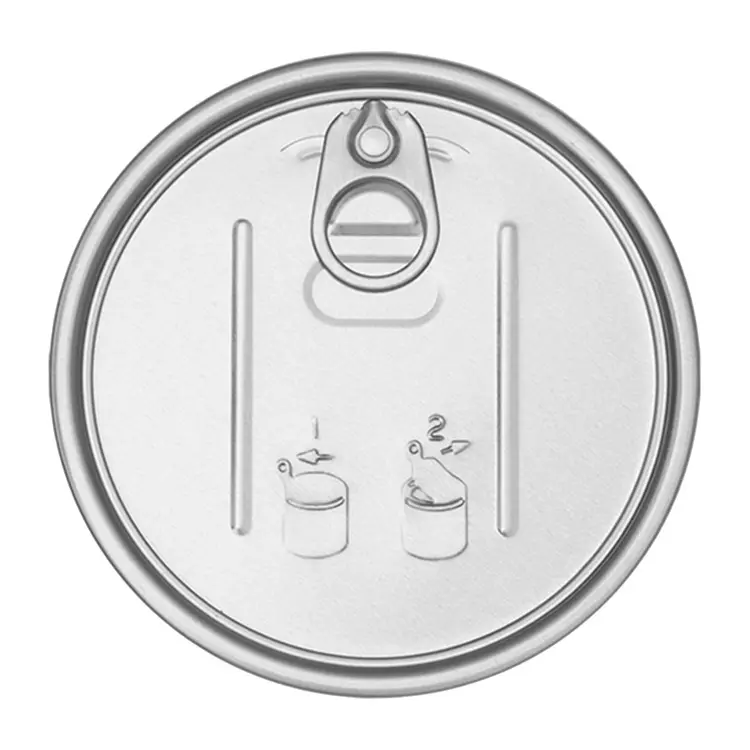
Opening preferences can also vary. Some products use conventional stay-on-tab (SOT) ends, while others may require a different opening configuration depending on the intended packaging format.
Instead of treating all can ends as interchangeable components, manufacturers should establish the requirements of each product individually. A useful starting point is to create a specification record that connects every beverage product with its corresponding can format and Easy Open End type.
Understand the Challenges of Managing Multiple Specifications
One common issue is specification confusion. If similar-looking can ends are stored or identified incorrectly, operators may select the wrong component when preparing a production run. This can result in additional checks, unnecessary material handling, or production delays.
Inventory management can also become more complicated. Maintaining separate stocks for multiple specifications requires accurate records of quantities, usage frequency, and replenishment needs. Some components may be used regularly, while others are required only for seasonal products or limited production runs. Without proper tracking, businesses may hold excessive inventory of less frequently used items while facing shortages of frequently used specifications.
Production changes create another challenge. When switching between beverage lines, operators may need to confirm the correct can ends, check packaging compatibility, and prepare the relevant equipment. If product information is incomplete, these activities can take longer than expected.
These issues demonstrate why managing multiple Easy Open End specifications requires more than organizing products on warehouse shelves. It involves coordinating product information, inventory, purchasing, and production planning.
Establish a Practical Can End Standardization Strategy
Standardization can help reduce unnecessary complexity, but it should not be treated as a requirement to use one can end for every beverage product. Different can formats may have specific structural requirements, and compatibility must always come first.
A more practical approach is to identify opportunities for standardization among products that genuinely share compatible packaging specifications.
For example, if several beverage products use the same can body format and require the same opening configuration, using a common can end specification may simplify inventory and purchasing. However, products with different opening dimensions or structural requirements should retain their appropriate components.
- Group compatible products: Identify beverage products that use the same can format and compatible end specifications.
- Create a specification reference: Record dimensions, opening types, corresponding can formats, and approved product details.
- Separate essential differences: Clearly distinguish products that require different can ends instead of forcing unnecessary standardization.
- Review specifications periodically: Update records when a beverage product, can format, or packaging requirement changes.
The purpose is to reduce the number of unnecessary variations while maintaining the correct components for each application. This approach can make purchasing decisions more organized and help prevent errors during production preparation.
Coordinate Can End Selection with Production Planning
Can end management should be connected to the production schedule rather than handled as a separate purchasing task. When manufacturers know which beverage products will be produced and when, they can estimate component requirements more accurately.
For example, products with regular production schedules may need a more predictable replenishment arrangement. Seasonal beverages, promotional products, and limited-edition launches may require different purchasing plans because their demand can fluctuate.
Production planning should also account for product changeovers. Before switching from one beverage line to another, operators should have access to the correct can end specifications and confirm that the required components are available. This reduces the possibility of delays caused by missing or incorrectly identified packaging materials.
Another consideration is the relationship between purchasing quantities and actual consumption. Ordering every can end type in the same quantity may not be practical when different beverage products have different production volumes. Instead, purchasing plans should reflect usage frequency, inventory levels, replenishment lead times, and expected demand.
When a business introduces a new product, the packaging component should be evaluated before the production schedule is finalized. This gives the team time to confirm the required Easy Open End, evaluate compatibility, and arrange the necessary inventory.
Organize Purchasing Information for Repeat Orders
For each approved specification, businesses should maintain a record containing the product description, relevant dimensions, opening configuration, corresponding can format, and approved sample information. Order history and supplier communication can also be linked to the relevant specification.
This is especially useful when different employees are responsible for purchasing, production, or inventory management. Everyone can refer to the same product information instead of relying on individual knowledge or informal descriptions.
Before placing a repeat order, buyers should confirm whether the original specifications remain applicable. If the can body, packaging design, or production requirements have changed, the compatibility of the existing Easy Open End should be reviewed rather than automatically assuming that the previous selection is still suitable.
Clear purchasing records help reduce repetitive clarification and make replenishment more consistent.
What to Confirm When Sourcing Multiple Easy Open End Types
When working with a supplier, manufacturers should communicate the requirements of each product line separately. A general request for easy-open can ends may not provide enough information to identify the correct product.
Before requesting a quotation or arranging samples, prepare the following details:
| Information | Why It Matters |
|---|---|
| Can format | Identifies the beverage can type that the end must match |
| Opening specifications | Helps determine the appropriate opening configuration |
| Product application | Clarifies the intended beverage packaging requirements |
| Estimated quantities | Helps the supplier understand demand for each specification |
| Existing samples or drawings | Provides a reference for checking product compatibility |
| Repeat order requirements | Helps maintain consistency across future purchases |
For businesses sourcing several Easy Open End types, it is also useful to clarify whether different specifications can be supplied within the same purchasing arrangement. The available options, minimum order quantities, production schedules, and delivery arrangements should be confirmed for each product type.
Sample evaluation remains important, particularly when introducing a new specification or changing suppliers. Testing the proposed end with the intended can body and production equipment helps verify whether the complete packaging combination is suitable before larger quantities are ordered.
Finding Suitable Easy Open End Products for Different Beverage Lines
Managing multiple packaging specifications becomes easier when product selection is based on clear application requirements. Manufacturers need to consider the relationship between can formats, opening configurations, production schedules, and future purchasing needs.
Packfine offers aluminum beverage can formats and RPT/SOT easy-open ends for beverage packaging applications. For businesses managing several beverage product lines, providing the required can formats, opening preferences, and relevant specifications can help identify suitable product options for further evaluation. Confirming these details before ordering can make it easier to coordinate different packaging requirements and maintain consistency across repeat purchases.
Conclusion
Managing multiple Easy Open End specifications is an important part of organizing beverage packaging operations. Rather than using one specification for every product, manufacturers should identify genuine compatibility, standardize where appropriate, maintain clear product records, and coordinate purchasing with production requirements. These practices can reduce unnecessary inventory complexity, prevent specification confusion, and make it easier to support new beverage products as a business grows.
FAQs
1. Can Easy Open Ends Be Used for Different Types of Beverages?
Yes. Easy open ends can be used for different beverage categories, but suitability depends on the can format, beverage characteristics, packaging requirements, and filling conditions. The end specification should be confirmed against the intended application before production.
2. What Happens If the Can End Does Not Match the Can Body?
A mismatch between the can end and can body may affect double-seam formation, sealing performance, and package integrity. Even when two components appear similar, their specifications should be verified before they are used together.
3. Should Beverage Producers Test a New Easy Open End Before Ordering in Bulk?
Yes. Sample testing helps confirm dimensional compatibility, seaming performance, opening function, and suitability for the intended filling process. It can also reveal potential problems before they affect a larger production run.
4. What Information Should Be Provided When Requesting Easy Open End Samples?
Buyers should provide the can body format, existing end specifications if available, beverage application, filling requirements, and expected order quantity. Drawings or samples of the current packaging can also help suppliers evaluate compatibility more accurately.
Post time: Nov-16-2026