


When sourcing Can End products for beverage packaging, price is often one of the first factors buyers compare. However, choosing a supplier based only on the lowest quotation can create problems later. Differences in product specifications, quality consistency, production coordination, and delivery reliability may affect the entire packaging operation. For beverage manufacturers and packaging businesses, the real value of a supplier lies in how well its products and services support ongoing production requirements. A competitive quotation is important, but it should be considered alongside product suitability and the potential costs of working with that supplier over time.
Compare Product Specifications Before Comparing Prices
The first step in evaluating Can End suppliers is to confirm that their products meet the same requirements. Two quotations may appear comparable, but differences in dimensions, opening formats, materials, or structural details can make the products unsuitable for the same application.
Buyers should begin by identifying the required can end type and checking whether the supplier can provide the relevant specifications. If the project involves an existing beverage can format, the proposed end should be evaluated against the can body’s opening dimensions and compatibility requirements.
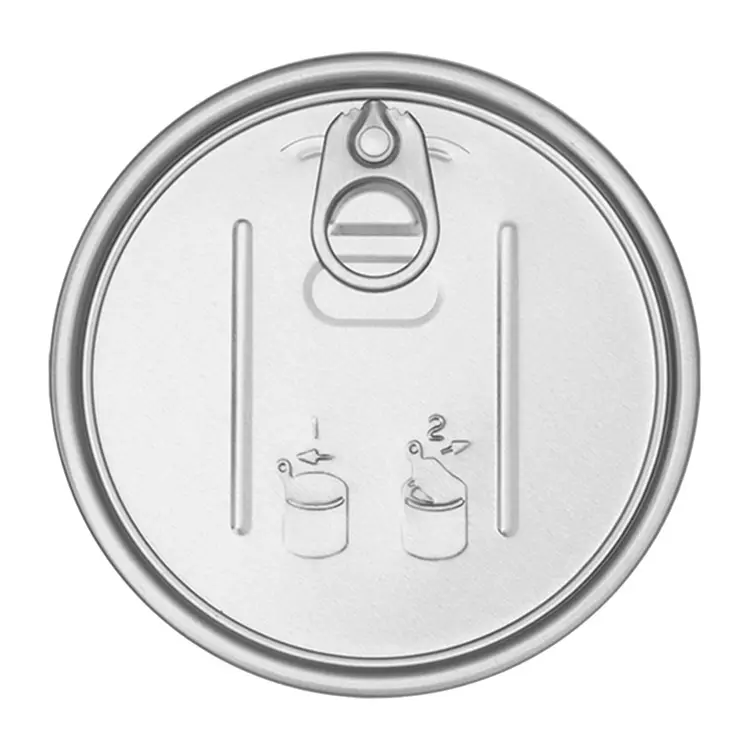
Opening format is another important consideration. Standard stay-on-tab (SOT) ends, for example, serve different packaging preferences from other easy-open configurations. A supplier should be able to clarify which options are available and whether they are suitable for the intended beverage application.
Evaluate Quality Consistency Across Repeated Orders
A sample that meets expectations is a useful starting point, but it does not necessarily demonstrate that a supplier can maintain the same standard across repeated production runs.
For businesses with ongoing packaging requirements, consistency matters because can ends are used as part of a larger production system. Variations in dimensions, forming quality, or other product characteristics may require additional inspection or adjustments during manufacturing.
When comparing suppliers, buyers should ask how product specifications are controlled and how quality requirements are maintained between batches. It is also useful to understand what information is recorded for repeat orders and how changes to an approved specification are communicated.
The evaluation should extend beyond whether a sample looks acceptable. Buyers need to consider whether the supplier can reproduce the agreed product requirements over time. This is particularly important when a packaging format is used across multiple production cycles or supplied to several filling locations.
Assess Production Capacity Against Your Order Requirements
A supplier’s production capability should match the buyer’s actual demand. A business ordering can ends for a single product launch may have different requirements from a beverage manufacturer that needs regular replenishment throughout the year.
Before selecting a supplier, consider whether its production arrangements can support the expected order volume and purchasing frequency. The ability to handle an initial order is not the same as the ability to maintain a stable supply when demand increases.
It is also important to discuss how the supplier manages changes in order quantities. Seasonal demand, promotional campaigns, and new product launches can all affect packaging requirements. If order volumes fluctuate, the supplier’s ability to coordinate production schedules becomes an important part of the evaluation.
Buyers should avoid assuming that a supplier can accommodate every volume or delivery schedule. Instead, confirm realistic production arrangements and lead times for the specific product and order quantity.
Look Beyond Unit Price to Understand Total Costs
The quoted price per Can End is only one part of the overall purchasing cost. Other factors can influence how much a business actually spends on packaging over time.
For example, an unsuitable product may require additional compatibility testing, equipment adjustments, or changes to the packaging process. Inconsistent quality may increase inspection work or create production interruptions. Delayed deliveries can also lead to additional inventory pressure or affect planned production schedules.
These costs are not always visible in the initial quotation. Therefore, buyers should evaluate suppliers based on the complete purchasing arrangement rather than comparing unit prices in isolation.
| Evaluation factor | Potential cost impact |
|---|---|
| Product compatibility | Additional testing and equipment adjustments |
| Quality consistency | Inspection, rework, and production interruptions |
| Delivery reliability | Inventory pressure and scheduling changes |
| Order flexibility | Additional inventory or supply coordination costs |
| Communication efficiency | Delays in resolving specifications and order changes |
This comparison does not mean that the most expensive supplier is automatically the best choice. Instead, buyers should determine whether the quoted price reflects a product and supply arrangement that meets their actual operating requirements.
Check Communication and Technical Support
Clear communication is especially important when sourcing Can End products because packaging specifications often involve several connected components. Buyers may need to confirm dimensions, opening formats, samples, production requirements, and order details before moving forward.
A supplier should be able to explain product options clearly and identify information needed to assess compatibility. If a buyer provides an existing can sample or technical drawing, the supplier should be able to use that information as a basis for further discussion.
Response quality also matters when changes occur. For example, a beverage business may introduce a new can format or adjust its packaging requirements. If the supplier cannot communicate specification changes clearly, misunderstandings may affect production planning and order execution.
When evaluating potential partners, consider whether communication is timely, whether technical questions receive specific answers, and whether important order details are confirmed in writing.
Review Sample Testing and Order Verification Procedures
Before placing a large order, buyers should verify that the proposed Can End is suitable for the intended packaging system. Samples allow the buyer to evaluate the product against actual application requirements rather than relying entirely on a quotation or product description.
Testing should involve the relevant can body and, where applicable, the intended seaming equipment. Buyers can assess whether the components fit the required specifications and whether the packaging process produces the expected results.
It is also worth clarifying how approved samples and specifications will be used for subsequent orders. A clear reference helps reduce the possibility of differences between the evaluated product and later deliveries.
For suppliers being considered for the first time, this process provides a practical way to assess both product suitability and the supplier’s willingness to support technical verification. It also gives buyers an opportunity to identify potential issues before committing to larger quantities.
Consider Long-Term Supply Compatibility
The best supplier is not necessarily the one that offers the lowest price for a single order. Businesses with continuing beverage packaging needs should consider whether a supplier can support their requirements as products and production plans change.
For example, a beverage brand may introduce additional flavors, adjust its packaging formats, or expand into new markets. These developments can create new requirements for can ends, order quantities, and supply coordination.
A supplier that understands the existing packaging specifications and can discuss suitable product options may make future changes easier to manage. However, buyers should confirm the availability and suitability of each new format rather than assuming that an existing arrangement automatically covers it.
Long-term cooperation also benefits from clear records of approved specifications, order requirements, and communication procedures. These details make repeat purchasing more organized and help both parties respond more effectively when packaging needs change.
Finding a Can End Supplier for Your Beverage Packaging Needs
Choosing a Can End supplier involves evaluating more than the quoted price. Product compatibility, consistent quality, production arrangements, technical communication, and sample verification all contribute to the reliability of a packaging supply relationship.
For businesses exploring aluminum beverage packaging, Packfine offers different aluminum beverage can formats and RPT/SOT easy-open ends. Buyers can share their required can format, specifications, opening preferences, and application details to discuss suitable product options. Confirming these requirements early helps establish a clearer basis for product evaluation and order planning.
Conclusion
Comparing Can End suppliers requires a broader view of product and supply performance. A suitable partner should be able to meet the required specifications, maintain consistent product quality, coordinate production needs, and communicate clearly throughout the ordering process. By considering these factors alongside price, buyers can make more informed sourcing decisions and build a supply arrangement that supports their long-term packaging operations.
FAQs
Is the cheapest can end supplier always the best option?
No. A lower unit price may not account for differences in product specifications, quality consistency, delivery arrangements, or additional costs during production. Buyers should compare suppliers using equivalent product requirements.
Why should buyers request samples from a new can end supplier?
Samples provide an opportunity to check product specifications and compatibility with the intended can body and production process before placing a larger order.
What should businesses confirm before arranging repeat can end orders?
They should confirm the approved specifications, order quantity, delivery schedule, and any changes to the packaging requirements. Keeping these details consistent helps simplify replenishment.
Can one can end supplier support different beverage packaging formats?
That depends on the supplier’s available product range and production capabilities. Buyers should provide the specifications of each required format and confirm suitability individually.
Post time: Nov-13-2026