


The role of beverage can manufacturers is no longer limited to producing aluminum containers with different capacities. As beverage categories continue to expand, companies need packaging solutions that can support product positioning, production requirements, brand presentation and future development.
A beverage product may start with a single flavor and one can size, but successful product lines often expand into multiple capacities, new flavors, seasonal products and different market versions. When packaging decisions are made without considering future needs, companies may face challenges in managing specifications, artwork changes and production coordination.
For this reason, modern beverage can manufacturers need to provide more than individual aluminum cans. They need to understand how different packaging elements work together, including can formats, can ends, decoration options and long-term product planning.A complete aluminum beverage packaging system helps companies maintain consistency while creating enough flexibility for future expansion.
Planning Aluminum Beverage Packaging Starts With the Right Can Structure
Choosing an aluminum beverage can is not only about selecting a volume such as 250ml, 330ml or 500ml. The physical structure of the can also affects product appearance, brand positioning and application suitability.
Different beverage categories may require different packaging characteristics. A functional drink, energy beverage or premium beverage may benefit from a Slim or Sleek can format because the narrow profile creates a modern visual impression. Traditional soft drinks, beer products or other mainstream beverages may require different proportions and capacities.
The can format also influences the available printing area. A design created for one can style may not achieve the same effect on another format because the height, diameter and visible surface area are different.
Therefore, beverage packaging planning should consider the relationship between:
- beverage category;
- required capacity;
- can format;
- product positioning;
- future product expansion.
A suitable packaging structure allows beverage companies to develop different products without rebuilding the entire packaging system each time a new product is introduced.
Can End Compatibility Is an Essential Part of Beverage Packaging
Although the can body is usually the most visible part of beverage packaging, the can end plays an equally important role in the final package performance.The can body and can end work together as one sealed system. Their compatibility affects sealing reliability, production efficiency and opening experience.
During packaging development, several factors need to be considered, including:
- can diameter compatibility;
- end specification;
- sealing requirements;
- filling process;
- beverage application.
Different beverage projects may require different can end solutions. Standard easy open ends are commonly used for many direct-drinking beverages, while other products may require specific opening structures to provide a different user experience.
Specifications such as 202 Can End and B64 Can Ends should not be selected separately from the can body. The correct solution depends on how the can format, end structure and production requirements work together.Considering the complete can system at an early stage helps reduce packaging adjustments and improves consistency during repeated production.
Printed Can and Blank Can Solutions Support Different Beverage Stages
As beverage products develop, packaging requirements often change. A new product launch, a growing beverage brand and a mature product line may require different approaches to aluminum can decoration.Printed cans provide a direct way to display brand identity, product information and visual design on the aluminum surface. They are suitable for products where packaging plays an important role in differentiation and brand recognition.
However, not every beverage project requires the same level of fixed decoration. Some products may involve frequent design updates, multiple market versions or changing product strategies. In these cases, blank aluminum cans can provide greater flexibility.
The choice between printed cans and blank cans depends on the product lifecycle and packaging plan. Factors such as the number of SKUs, artwork update frequency and market requirements all influence the most suitable approach.A flexible beverage can manufacturer should be able to support different packaging stages instead of providing only one fixed solution.
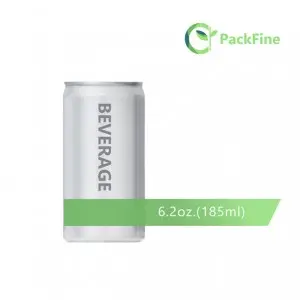
Multi-SKU Beverage Projects Require Long-Term Packaging Planning
Many beverage companies are no longer developing only one product. A single brand may include multiple flavors, capacities and product categories, which creates more complicated packaging management.
When a product portfolio grows, companies need to coordinate different elements:
- can capacities;
- artwork versions;
- can formats;
- can end specifications;
- production schedules.
Without a clear packaging structure, adding new products can increase complexity and create unnecessary adjustments.A well-planned aluminum beverage packaging system allows different products to maintain brand consistency while using suitable formats for different applications.
For example, a beverage brand may use one can format for a premium product line and another capacity for a mainstream product. Both can remain connected through the same overall packaging strategy while meeting different market requirements.
This approach is especially valuable for beverage companies planning long-term development because packaging decisions made today can influence future product expansion.
What Capabilities Should Modern Beverage Can Manufacturers Provide?
A capable beverage can manufacturer should understand that different beverage projects require different levels of support.
Beyond aluminum can production, important capabilities include:
Multiple aluminum can formats and capacities
Supporting different can sizes allows beverage projects to select packaging based on product characteristics rather than being limited to one standard option.
Coordinated can and can end solutions
Providing compatible can body and can end options helps create a more complete packaging system and reduces specification gaps.
Flexible decoration options
Supporting both printed cans and blank cans allows different products to use packaging methods that match their development stage.
Stable production and consistent specifications
For beverage products that require continuous supply, consistency between production batches is an important consideration.
Support for future expansion
A packaging partner should be able to support additional flavors, capacities and product versions as beverage lines grow.
Building a Complete Aluminum Beverage Can Solution With Packfine
Modern beverage packaging requires coordination between multiple components rather than a single container. The relationship between can format, can end, decoration and production requirements determines whether a packaging system can support long-term development.
Packfine provides aluminum beverage can solutions covering different capacities, can formats, Printed Can, Blank Can and matching Can End options. By combining different packaging components into a coordinated system, Packfine supports beverage projects that require flexible specifications, multiple product versions and long-term packaging planning.
For beverage brands, co-packing projects and expanding product lines, a complete aluminum can solution helps simplify packaging management and create a more stable development path.
FAQ
Can Packfine support different beverage can capacities and formats?
Yes. Packfine provides aluminum beverage can solutions covering different capacities and can formats, allowing beverage projects to select packaging based on product requirements, serving size and market positioning.
Does Packfine provide both printed cans and blank aluminum cans?
Yes. Packfine supports both printed cans and blank aluminum cans. Different options can be considered depending on product lifecycle, artwork requirements, SKU planning and packaging flexibility.
Can Packfine provide matching can end solutions?
Yes. Packfine provides matching Can End solutions together with aluminum beverage cans. Coordinating the can body and end specification helps improve packaging consistency and project efficiency.
What information is needed before developing an aluminum beverage can project?
Important information includes beverage type, required capacity, preferred can format, artwork requirements, expected SKU quantity and future expansion plans. These details help determine a more suitable packaging structure.
Can one aluminum can system support multiple beverage products?
Yes. A well-planned aluminum beverage packaging system can support multiple products by coordinating different capacities, printed designs and compatible packaging components while maintaining overall brand consistency.
Post time: Sep-23-2026