


Choosing a suitable opening design requires more than comparing tab structures. Brands also need to consider where the beverage will be consumed, how the can will be handled, and whether the selected end matches the overall packaging requirements.
Why Opening Design Matters in Portable Beverage Packaging
Portability is one of the main reasons consumers choose canned beverages. Aluminum cans are relatively lightweight, easy to carry, and suitable for individual servings. However, a portable package should also provide convenient access to the beverage. Consider a consumer opening a drink during a commute. The opening process should be straightforward and should not require additional tools. In contrast, someone enjoying a beverage during a meal may have more space and time to open the container or pour its contents into a glass.
These differences show that opening design should reflect actual consumption habits. A can intended for direct drinking may have different requirements from one designed for sharing or serving. The opening system also influences the experience after the beverage has been opened. Loose components, tab handling, and the ease of accessing the contents can all affect how consumers interact with the package. For this reason, Beverage Can Ends RPT/SOT should be evaluated as part of the complete beverage packaging solution rather than treated as a minor accessory.
Understanding RPT and SOT Can End Configurations
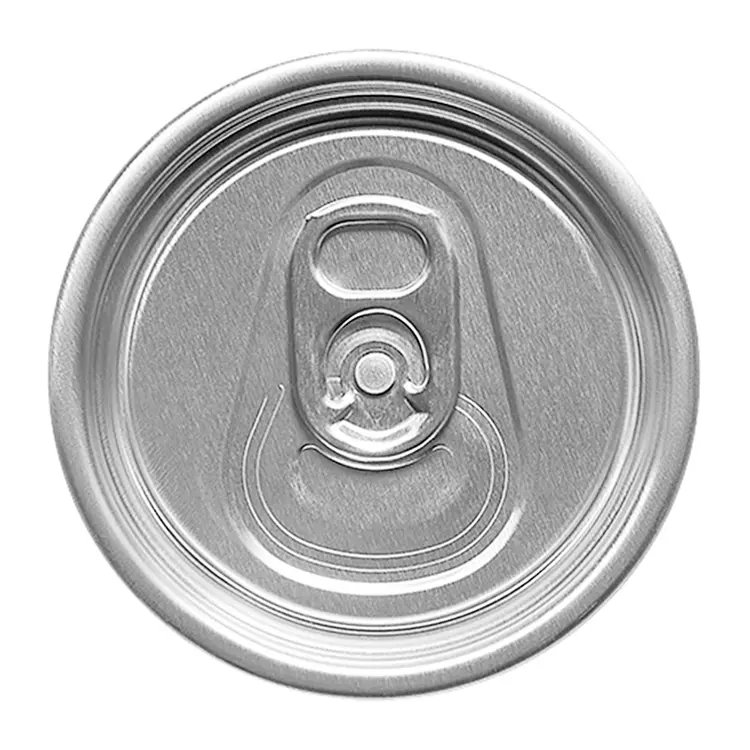
RPT and SOT are two terms associated with easy-open beverage can ends. Both are designed to provide convenient access without requiring a separate opening tool, but their tab structures differ. RPT generally refers to a ring-pull tab configuration. The consumer lifts the ring to open the scored area of the can end. Depending on the specific design, the tab may detach during operation.
SOT refers to a stay-on-tab design. The tab remains attached to the can end after opening, reducing the number of loose components generated during use. The difference is relevant to portable packaging because consumers interact directly with the opening mechanism. A stay-on-tab design may be preferred when reducing loose tabs is a priority, while a ring-pull configuration may be considered for applications using established packaging formats.
Neither option is automatically suitable for every beverage. The final decision should account for consumer expectations, container specifications, production requirements, and the intended market.
Matching Opening Designs with Different Consumption Scenarios
Different consumption environments create different expectations for beverage packaging. Understanding these situations can help brands determine which opening configuration is more appropriate.
Daily commuting and personal consumption
Consumers often purchase canned beverages for short breaks, travel, or everyday activities. In these situations, a familiar and straightforward opening mechanism can make the product easier to use. The tab should be easy to identify and operate without unnecessary handling.
Outdoor activities and recreation
Canned drinks are frequently consumed during picnics, camping trips, sports events, and other outdoor activities. Consumers may have limited access to tables or waste containers. A stay-on-tab configuration can reduce loose components after opening, which may be a practical consideration in these environments.
Workplace and on-the-go use
In offices, workshops, and other workplaces, beverages are often consumed between tasks. A predictable opening experience helps consumers access the drink quickly. Consistency is also important for brands offering several beverage varieties within the same product range.
Social occasions and shared consumption
At gatherings and casual meals, some beverages are consumed directly from the can, while others are poured into glasses. The opening format should be considered alongside the beverage’s serving style and container capacity.
These examples demonstrate that the best opening configuration depends on how the product is expected to be used. Packaging decisions should reflect real consumption scenarios instead of relying solely on general preferences.
How Can Ends Work with Different Can Formats
A can end cannot be evaluated independently of the aluminum can body. It must match the container’s opening dimensions and work as part of a complete packaging structure. Can diameter is a key consideration because the end needs to correspond to the can body’s specifications and seaming requirements. The overall can format also influences how consumers hold the container and interact with the tab.
For example, slim cans are often used for particular beverage categories and serving occasions, while standard and larger-capacity cans may serve different consumption needs. Even when the same opening configuration is being considered, the complete package should be evaluated to ensure practical use. Production compatibility is equally important. The selected end must work with the intended seaming equipment and maintain the required package integrity. An easy-open design cannot deliver a reliable consumer experience if the end and can body are not properly matched.
Therefore, brands should review can dimensions, end specifications, and production requirements together before finalizing a packaging format.
Key Considerations When Selecting RPT or SOT Can Ends
Choosing between RPT and SOT requires balancing consumer convenience with packaging and production requirements. Several practical considerations can help guide the selection:
- Consumption habits: Determine whether the beverage is mainly consumed directly from the can, poured into another container, or shared.
- Target environment: Consider whether the product is intended for commuting, outdoor activities, workplace use, or other consumption scenarios.
- Container compatibility: Confirm that the selected end matches the can body’s diameter and overall packaging structure.
- Production requirements: Review compatibility with filling and seaming equipment to support stable manufacturing.
- Consumer expectations: Consider familiarity, ease of operation, and preferences within the target market.
These considerations should be evaluated together. A configuration that works well for one beverage category may not provide the same advantages for another.
Choosing Suitable Beverage Can Ends for Portable Products
For brands developing aluminum beverage packaging, access to different can end configurations provides greater flexibility during product planning. RPT and SOT options can be evaluated alongside can capacity, beverage category, and intended consumption scenarios.
Packfine offers aluminum beverage packaging options that include RPT and SOT can ends, together with different can formats. Brands can consider these configurations according to their packaging specifications and production needs. Reviewing the can body and end as a coordinated solution helps reduce compatibility issues and supports more consistent packaging development.
Conclusion
Opening design contributes directly to the convenience of portable beverage packaging. Whether consumers drink during daily commutes, outdoor activities, workplace breaks, or social occasions, the can end influences how they interact with the product.
Beverage Can Ends RPT/SOT offer different opening configurations for various beverage applications. By considering consumption habits, container compatibility, production requirements, and consumer expectations, brands can select a suitable can end and develop packaging that balances convenience with functionality.
FAQ
1. What is the difference between RPT and SOT can ends?
RPT generally refers to a ring-pull tab configuration, while SOT refers to a stay-on-tab design that remains attached after opening.
2. Why are SOT can ends commonly considered for portable beverages?
The tab remains attached to the can after opening, reducing loose components during consumption and disposal.
3. Can RPT and SOT ends be used on any aluminum beverage can?
No. Compatibility depends on the can diameter, end specifications, and the requirements of the complete packaging structure.
4. What should brands consider before choosing a can end?
They should evaluate consumption habits, target applications, container dimensions, production compatibility, and consumer opening preferences.
Post time: Nov-04-2026