


Beer packaging requires reliable protection from filling to final consumption. Although the can body provides the main structure, beer can lids play an essential role in maintaining package integrity. The lid not only closes the container but also helps preserve carbonation, prevent external contamination, and maintain the quality of beer during storage and transportation. Because beer is a carbonated product with specific requirements for pressure control and freshness protection, the performance of beer can lids directly affects the stability of the finished package. A properly designed lid needs to work together with the can body and sealing process to provide consistent protection throughout the product lifecycle.
The Role of Beer Can Lids in Protecting Beer Quality
After the filling process, the beer can lid creates a sealed environment that separates the product from external conditions. This sealing function is important because changes in the package environment can influence beer taste, carbonation level, and shelf stability.
A reliable lid helps maintain:
- Carbonation stability: Beer contains dissolved carbon dioxide, and the sealing structure helps prevent unnecessary gas loss during storage.
- Product protection: The sealed package reduces the possibility of external contaminants entering the can.
- Storage reliability: A stable lid structure helps the package maintain its performance during transportation and handling.
Unlike some packaging components that mainly affect appearance, beer can lids directly influence the functional performance of the package. Small variations in sealing quality may become more noticeable after long storage periods or during transportation under changing temperatures.
How Lid Sealing Performance Affects Packaging Stability
The connection between the beer can lid and the can body is formed through the seaming process. This creates a mechanical seal designed to withstand internal pressure and maintain package integrity.
Several conditions can influence sealing performance:
- The lid and can body need to have suitable dimensional compatibility.
- The sealing structure must remain consistent during production.
- The lid edge and sealing area should maintain proper forming quality.
- The package should withstand pressure changes during storage.
For carbonated beer, internal pressure is an important consideration. The lid needs to maintain a secure seal while allowing the can structure to remain stable during transportation and storage.
A well-performing beer can lid is not only about preventing leakage. It also supports the overall balance between pressure resistance, sealing reliability, and convenient opening.
The Relationship Between Easy Opening and Package Protection
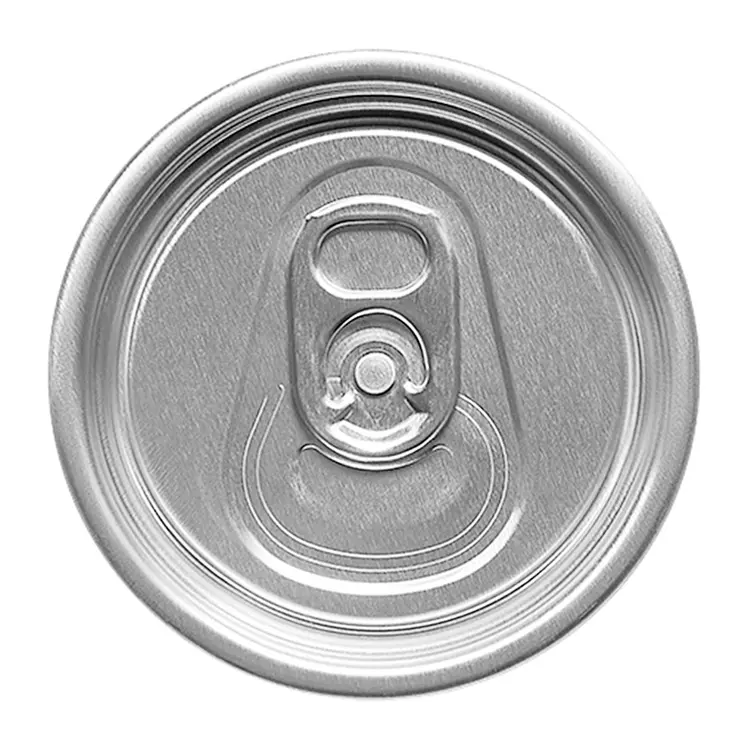
Modern beer cans are designed to provide both reliable protection and convenient consumer use. Beer can lids usually include an easy open end design, which allows the package to be opened without additional tools.
However, opening performance and sealing performance need to be carefully balanced. A lid that is too difficult to open may affect user experience, while insufficient structural control may influence package reliability. The design of the opening area, scoring line, and tab structure all contribute to the final experience. These elements need to provide controlled opening while keeping the sealed package stable before use.
This balance is especially important for beverages that may be stored for extended periods before consumption.
How Storage and Transportation Conditions Affect Beer Can Lids
During storage and transportation, beer cans may experience temperature changes, vibration, stacking pressure, and handling impacts. These conditions place additional demands on the lid and sealing structure.
For example:
- Temperature changes can influence internal pressure inside carbonated beverages.
- Long-distance transportation may expose packages to repeated vibration.
- Improper handling may create deformation risks.
A suitable beer can lid needs to maintain its sealing function under these different conditions. Consistent material properties and accurate forming processes help ensure that the lid performs as expected throughout distribution.
Why Material Quality Matters for Beer Can Lids
Most beer can lids are made from aluminum because of its lightweight properties, corrosion resistance, and suitability for forming processes. However, the material must also meet the requirements of beverage packaging applications.
Important material characteristics include:
- Stable forming performance during production.
- Sufficient strength to maintain package structure.
- Good surface quality for protective coatings and printing.
- Reliable performance during long-term storage.
The combination of material properties, lid design, and manufacturing precision determines how well the lid performs in real packaging conditions.
Matching Beer Can Lids with Different Packaging Applications
Different beer products and packaging formats may require different lid specifications. Factors such as can size, filling method, storage conditions, and transportation environment can influence the suitable lid design.
For example, larger production formats may focus more on sealing consistency and process stability, while specialty beer products may place more emphasis on appearance and consumer opening experience.
Understanding the relationship between the lid and the complete package helps ensure that the selected design meets practical application requirements.
Supporting Better Beer Packaging Performance
Reliable beer packaging depends on the cooperation between the can body, beer can lids, sealing process, and storage conditions. Selecting suitable aluminum lids and ensuring compatibility with the overall packaging structure can help maintain stable performance from filling to consumption. Packfine provides aluminum beverage packaging products, including aluminum cans and easy open ends for different beverage applications. By considering product specifications, packaging requirements, and application conditions together, suitable packaging combinations can be developed for different beer and beverage products.
Conclusion
Beer can lids are more than simple closures. They are an important part of maintaining beer quality, protecting carbonation, and ensuring packaging reliability throughout storage and transportation.
A well-designed lid needs to balance sealing performance, structural strength, opening convenience, and compatibility with the overall package. By understanding how beer can lids function in real applications, manufacturers can achieve more stable packaging performance and better product protection.
FAQ
1. Are all beer can lids suitable for different types of beer products?
Not necessarily. Different beer products may have different packaging requirements depending on carbonation level, storage time, and container specifications. The lid design needs to match the overall packaging system rather than being selected separately.
2. How long can beer can lids maintain their sealing performance?
The sealing performance of beer can lids depends on multiple conditions, including material properties, sealing quality, storage environment, and transportation conditions. Properly designed lids can maintain package integrity throughout the expected shelf life when used under suitable conditions.
3. What is the difference between beer can lids and other beverage can ends?
Beer can lids are designed to meet the requirements of beer packaging, especially related to carbonation pressure and product protection. While many beverage can ends share similar structures, their application requirements may vary depending on the beverage characteristics.
4. Can beer can lids affect the appearance of packaged products?
Yes. The surface quality, printing compatibility, and overall design of the lid can influence the visual consistency of the final package. This is especially important for brands that use aluminum cans as part of their product presentation.
Post time: Oct-12-2026