


Packaging waste is not determined by the amount of material used in a single component alone. It is also influenced by production efficiency, packaging performance, transportation losses, and the ability of a container to protect its contents throughout distribution. In aluminum beverage packaging, the can end is a small component, but its design can contribute to how efficiently the complete package uses materials and resources.
For beverage brands, improving packaging efficiency means looking beyond appearance and basic specifications. B64 Can Ends can be evaluated in terms of material utilization, structural performance, manufacturing consistency, and compatibility with the can body. When these factors are considered together, packaging decisions can help reduce avoidable waste while maintaining the functions expected from an aluminum beverage container.
Understanding the Relationship Between Can End Design and Packaging Waste
A beverage can end has to perform several functions within a relatively small area. It closes the container, supports package integrity, and provides an opening mechanism for consumers. Its design must balance these requirements without using unnecessary material or compromising performance.
Material waste can occur at different stages of the packaging lifecycle. During manufacturing, unsuitable material specifications or inconsistent production conditions may increase rejected components. During filling and seaming, incompatible packaging parts can create defects or interruptions. After production, insufficient package protection may contribute to damaged products and beverage losses during transportation or storage.
This means that reducing packaging waste requires more than simply making the end thinner or smaller. A design that uses less material but fails to maintain the required structural performance may create greater waste through product rejection, leakage, or damaged packages.
For B64 Can Ends, the more practical objective is to achieve an appropriate balance between material use and functional requirements. The end should provide the necessary strength and sealing performance while avoiding unnecessary material consumption.
Material Efficiency Starts with Appropriate Design
Reducing material use without evaluating structural requirements can introduce problems. The end must withstand the conditions associated with filling and handling, maintain its shape during the seaming process, and support the expected internal pressure of the packaged beverage. Any material reduction therefore needs to be assessed against the performance requirements of the complete can.
An effective design approach begins by identifying the actual demands of the application. Different beverages, filling conditions, and container formats may require different packaging considerations. Rather than applying a uniform reduction strategy to every product, manufacturers should evaluate where material can be used more efficiently without affecting essential functions.
Design optimization can also help avoid excessive specifications. Components should meet the requirements of their intended application rather than include unnecessary features or material allowances. For B64 Can Ends, this approach supports more responsible material use while keeping package functionality at the center of the decision.
How Production Consistency Helps Prevent Material Waste
For example, inconsistent ends may cause feeding difficulties or require additional adjustments during the seaming process. If defective components are not identified early, they can contribute to rejected cans, production interruptions, and additional material consumption.
Quality control helps address these risks. Inspection procedures can be used to monitor important characteristics, identify deviations, and maintain more predictable production results. Checking component consistency before large-scale use can also help reduce the likelihood of repeated defects.
Another important consideration is communication between component production and beverage filling operations. Packaging specifications, equipment requirements, and quality expectations should be confirmed before regular production begins. When problems are identified early, corrective measures are generally easier to manage than after large quantities of finished packaging have been produced.
For brands evaluating B64 Can Ends, production consistency should therefore be considered alongside material efficiency. Reducing the number of rejected components is a practical way to limit unnecessary resource consumption.
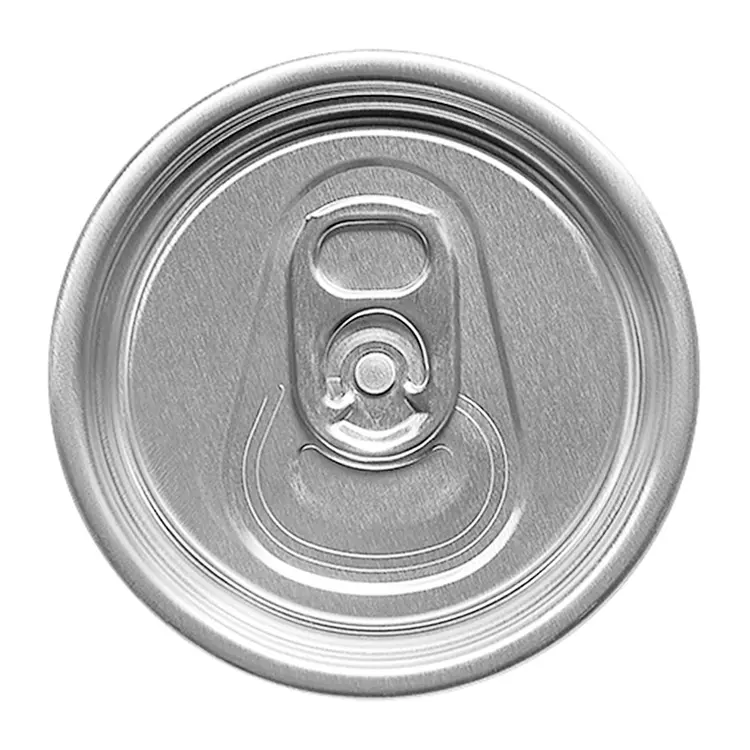
Can End Compatibility Helps Reduce Packaging Losses
The can end and can body function as a connected packaging system. Their specifications must match so that the components can be joined through the intended seaming process. If compatibility is overlooked, production problems may result in defective packages and avoidable waste.
Compatibility involves more than checking whether two components appear to fit together. Relevant dimensions, end profiles, can opening specifications, and seaming conditions all need to be considered. The selected components should also work with the available production equipment.
This becomes particularly important when a beverage brand changes its can format, introduces a new product, or adjusts its packaging specifications. A change in one component may affect the requirements of the complete package. Reviewing the can body and end together helps prevent unnecessary trial-and-error during production.
A suitable compatibility assessment should include specification checks and, where necessary, production trials. The resulting package should be inspected to verify that the seam meets the required standards and that the container performs properly under its intended conditions.
Using compatible B64 Can Ends can help reduce avoidable production losses, but compatibility should always be confirmed against the actual can design and equipment requirements rather than assumed from a product name alone.
Better Packaging Protection Can Reduce Product Loss
Packaging waste also includes products that are damaged before reaching consumers. A beverage can that leaks or loses its protective function may result in wasted aluminum, beverage ingredients, energy, and transportation resources. The can end contributes to package protection through its role in the sealed closure. A properly formed seam helps prevent leakage and limits unwanted exposure to the external environment. This is particularly relevant for carbonated beverages, where the package must accommodate internal pressure under expected storage and distribution conditions.
However, package protection depends on the complete system. The can body, end, internal coating, seaming process, and handling conditions all influence the finished package. A reliable end cannot compensate for an unsuitable can body or poorly controlled production process.
Transportation and storage practices matter as well. Appropriate handling, stacking, and distribution conditions help prevent physical damage that could otherwise lead to product loss. When packaging design and logistics are considered together, beverage brands can reduce waste beyond the manufacturing stage.
This broader perspective makes B64 Can Ends part of a larger packaging efficiency strategy rather than an isolated component choice.
Practical Ways to Improve Material and Resource Utilization
Reducing packaging waste requires coordinated decisions throughout the production process. Beverage brands and packaging operations can focus on several practical areas:
- Review material requirements: Evaluate whether the selected design uses material appropriately for its intended packaging conditions, without compromising structural performance.
- Control production quality: Monitor important component characteristics and identify defects before they affect larger production quantities.
- Verify component compatibility: Confirm that the can end, can body, and seaming equipment work together under actual production conditions.
- Reduce unnecessary packaging changes: Plan specification adjustments carefully to limit trial runs, obsolete inventory, and avoidable production interruptions.
- Improve handling and storage: Use appropriate handling procedures to reduce physical damage and product losses during distribution.
These measures address different sources of waste, but they share one principle: packaging efficiency depends on the performance of the entire system. A material-saving decision is only beneficial when the finished package continues to meet its functional requirements.
Choosing B64 Can Ends for More Efficient Beverage Packaging
Selecting suitable can ends requires attention to both component performance and the needs of the complete beverage package. Packfine provides aluminum beverage packaging options, including different can formats and easy-open end configurations. These options can serve as a starting point when evaluating packaging combinations for specific beverage applications.
Before confirming a packaging specification, brands should review the intended can format, relevant end dimensions, compatibility with the can body, and production requirements. Material efficiency should also be considered alongside sealing performance and quality consistency. This helps avoid choosing a component based on a single feature while overlooking its impact on the rest of the packaging process.
For businesses seeking to improve packaging efficiency, B64 Can Ends should be evaluated as part of a coordinated aluminum can system. A suitable combination can support responsible material use, reduce avoidable production losses, and maintain the protection and convenience expected from beverage packaging.
Conclusion
Reducing packaging waste requires more than using less aluminum. It involves balancing material efficiency with structural performance, production consistency, component compatibility, and product protection. By evaluating B64 Can Ends within the complete beverage packaging system, brands can identify opportunities to reduce avoidable waste without compromising essential packaging functions.
FAQ
1. Does using less aluminum always make a can end more sustainable?
No. Material reduction must be balanced with strength, sealing performance, and production requirements. A component that fails during use may create more waste overall.
2. How can production defects increase packaging waste?
Defective components may lead to rejected cans, production interruptions, additional inspections, and wasted materials. Consistent quality control helps reduce these losses.
3. Why should can ends and can bodies be evaluated together?
They must work as a compatible system during seaming. Differences in specifications can affect production performance and finished-package integrity.
4. Can better can end design reduce beverage product losses?
It can contribute by supporting reliable package closure. However, overall product protection also depends on the can body, coating, manufacturing process, and distribution conditions.
Post time: Nov-09-2026