


Choosing suitable aluminum cans is an important step in beverage packaging. The can is not only a container for protecting the product but also an important part of transportation, storage, branding, and consumer experience. For beverage manufacturers, the quality of aluminum cans directly affects filling efficiency, product safety, appearance, and long-term market performance.
Understanding the Key Features of Quality Aluminum Cans
A high-quality aluminum can needs to maintain reliable performance throughout the entire packaging process. From forming and filling to transportation and final consumption, every stage places different requirements on the can structure.
Several product characteristics determine aluminum can performance:
- Material strength: The aluminum material should provide sufficient rigidity while maintaining lightweight advantages. A suitable balance between strength and weight helps cans resist deformation during handling and transportation.
- Dimensional accuracy: Consistent dimensions are essential for smooth filling, sealing, labeling, and packaging operations. Small variations between batches may create problems during high-speed production.
- Surface quality: A uniform surface supports better printing results and improves the overall appearance of the finished package.
- Structural reliability: The can body must withstand internal pressure, especially for carbonated beverages, while maintaining its shape throughout storage and distribution.
These factors work together to determine whether an aluminum can can provide stable performance in real production environments.
Choosing the Right Aluminum Can Format for Different Beverages
Different beverage products often require different aluminum can formats. Selecting the correct size and design is not only related to appearance but also affects production efficiency, transportation, and consumer usage.
Common aluminum can formats include:
Standard aluminum cans are widely used for traditional beverages such as soft drinks, beer, and various ready-to-drink products. They offer a balanced solution between capacity, production compatibility, and market acceptance.
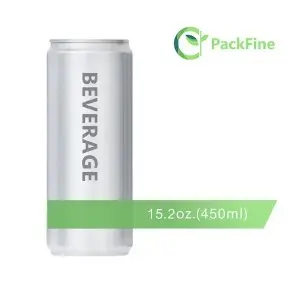
Sleek aluminum cans provide a taller and more modern appearance. They are often selected for premium beverages, functional drinks, and products that want to create a more distinctive shelf presence.
Slim aluminum cans feature a narrower profile and are commonly used for specialty beverages, energy drinks, and products focused on portability and visual differentiation.
When selecting a can format, manufacturers should consider the product positioning, filling equipment compatibility, storage requirements, and expected customer usage. A visually attractive can should also remain practical for production and supply management.
How Aluminum Can Quality Affects Beverage Production
The performance of aluminum cans is closely connected with the efficiency of the entire packaging process. In large-scale beverage production, even small inconsistencies can create additional costs.
Poor-quality cans may cause problems such as:
- Difficulty during filling or sealing processes.
- Increased rejection rates due to appearance defects.
- Additional inspection and sorting requirements.
- Delays caused by packaging material issues.
For this reason, beverage manufacturers often require aluminum cans with stable dimensions, consistent forming quality, and reliable compatibility with can ends and filling equipment.
A suitable aluminum can supplier should understand that packaging performance depends on the complete system, including the can body, easy open end, filling process, and final product requirements.
The Importance of Printing and Surface Treatment
For many beverage brands, aluminum cans are also an important marketing tool. The external appearance of the can influences product recognition and purchasing decisions.
High-quality surface treatment helps ensure:
- Clear and consistent printing results.
- Better protection of the printed design.
- Improved resistance during transportation and handling.
- A more professional finished appearance.
Custom printed aluminum cans require careful coordination between artwork, production specifications, and manufacturing processes. Incorrect design preparation or unclear specifications may result in delays or products that do not meet the intended visual effect.
Before ordering custom cans, manufacturers should confirm artwork requirements, color standards, printing methods, and expected production quantities. This helps reduce unnecessary adjustments and improves production efficiency.
Matching Aluminum Cans with Easy Open Ends
The aluminum can body and easy open end should be considered as a complete packaging solution. Even a high-quality can body may not perform properly if the selected end does not match the required specifications.
Important factors include:
- Can diameter and end size compatibility.
- Seaming requirements.
- Product pressure conditions.
- Filling and storage environment.
For carbonated beverages, the combination of the can body and end must provide reliable sealing performance under internal pressure. For other beverages, the focus may be more on product protection and convenient opening.
Confirming compatibility before mass production helps avoid packaging problems and reduces unnecessary costs caused by unsuitable components.
How to Evaluate Aluminum Can Suppliers
Selecting an aluminum can supplier requires evaluating both product capability and long-term supply reliability. A supplier should not only provide cans but also understand the practical requirements behind different beverage applications.
- Available can sizes and formats.
- Support for custom printing.
- Product consistency between batches.
- Compatibility with easy open ends.
- Sample evaluation options.
- Production and delivery capability.
Supporting Beverage Packaging Projects with Suitable Aluminum Can Solutions
For beverage brands and manufacturers, finding the right aluminum can solution involves balancing product quality, packaging appearance, production compatibility, and supply requirements. A reliable partner should be able to provide different can formats, support customized packaging needs, and help confirm suitable specifications before production begins. Packfine provides aluminum beverage cans in different formats, including standard, sleek, and slim options, along with matching easy open ends. By confirming can sizes, application requirements, printing needs, and order expectations in advance, customers can select more suitable packaging solutions and establish a smoother purchasing process.
Conclusion
High-quality aluminum cans are determined by more than appearance or price. Material performance, dimensional consistency, can format, surface treatment, and compatibility with packaging systems all influence the final performance of the product.
By carefully evaluating aluminum can specifications and choosing suppliers that understand beverage packaging requirements, manufacturers can reduce production risks, improve packaging efficiency, and create more reliable products for the market.
FAQ
1. What should buyers consider when choosing aluminum can suppliers?
Buyers should consider product quality, available can formats, customization capability, specification consistency, delivery reliability, and compatibility with their packaging process.
2. Are standard, sleek, and slim aluminum cans interchangeable?
No. Different can formats have different dimensions and applications. The appropriate option depends on product positioning, filling requirements, and packaging objectives.
3. Why is aluminum can quality important for beverage production?
Consistent aluminum can quality helps reduce production problems, improve filling efficiency, maintain product appearance, and support reliable packaging performance.
4. Can aluminum cans be customized with brand designs?
Yes. Aluminum cans can be customized through printing and surface treatments. Proper artwork preparation and specification confirmation are important before production.
Post time: Oct-10-2026