


In today’s competitive B2B market, packaging is more than a protective shell—it is a strategic asset. The 500 ml can has become a widely used solution across multiple industries, providing a balance of efficiency, durability, and cost-effectiveness. From beverage manufacturers to chemical producers, businesses increasingly rely on this versatile packaging to meet operational and supply chain demands.
Why 500 ml Cans Are Vital in Industrial Packaging
Selecting the right packaging can have a direct impact on production efficiency, product quality, and distribution costs. The 500 ml can offers several advantages that make it an appealing choice for industrial buyers:
● Consistent Volume: Standardized sizing allows accurate measurement, easier inventory tracking, and predictable portion control.
● Durability: Strong materials protect contents from contamination, moisture, and light, maintaining product quality over time.
● Space Efficiency: Stackable and lightweight design reduces storage and transportation costs.
● Compatibility with Modern Lines: Designed for automated filling and sealing equipment, reducing labor costs and operational errors.
For businesses, these features translate into tangible operational benefits and smoother supply chain management.
Key Features of High-Quality 500 ml Cans
When sourcing 500 ml cans, B2B buyers must focus on key attributes that ensure both product safety and operational efficiency:
● Material Selection: Aluminum, tin-plated steel, or eco-friendly alternatives can influence shelf life, recyclability, and resistance to external factors.
● Sealing Options: Screw caps, easy-open lids, or specialized sealing mechanisms can enhance product safety and extend shelf life.
● Printing and Labeling: High-quality printing ensures compliance with regulatory standards while supporting brand visibility.
● Durability: Resistance to dents, corrosion, and temperature variations is critical for long-distance shipping and storage.
● Automation Compatibility: Cans designed for use with automated filling and packaging systems help reduce human error and increase efficiency.
By carefully considering these features, companies can select cans tailored to their industry requirements, whether for beverages, chemicals, or specialty products.
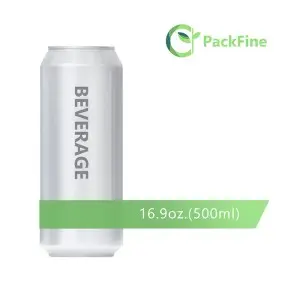
Benefits of Using 500 ml Cans in Supply Chains
Integrating 500 ml cans into industrial supply chains offers numerous advantages:
● Operational Efficiency: Uniform size simplifies stacking, storage, and shipping processes.
● Cost Reduction: Lightweight construction lowers transportation and handling expenses compared to heavier alternatives like glass bottles.
● Sustainability: Many cans are recyclable, aligning with corporate sustainability initiatives.
● Product Protection: Airtight sealing prevents spoilage, evaporation, or contamination during transit.
● Brand Presentation: Customizable designs and labeling options enhance product visibility and convey professionalism.
These benefits make the 500 ml can an indispensable part of B2B packaging strategies.
Applications Across Industries
The 500 ml can is highly versatile and finds use in multiple industrial sectors:
● Beverage Industry: Soft drinks, energy drinks, and craft beverages benefit from the standardized portion, durability, and convenience of cans.
● Chemical Products: Lubricants, solvents, coatings, and other industrial chemicals require secure, durable packaging to maintain stability.
● Food Industry: Ready-to-eat meals, sauces, and condiments benefit from cans’ ability to preserve freshness and allow portion control.
● Personal Care Products: Cosmetics, hygiene, and care products can utilize cans for improved shelf appeal and convenient packaging.
The adaptability of 500 ml cans makes them a reliable solution for diverse industries with varying requirements.
Conclusion
The 500 ml can is not just a container—it is a strategic tool for enhancing product safety, operational efficiency, and brand value. By prioritizing material quality, sealing mechanisms, and supply chain compatibility, B2B buyers can leverage this packaging solution to streamline operations, reduce costs, and reinforce their professional image. Its versatility across beverages, chemicals, food products, and personal care industries demonstrates why the 500 ml can continues to be a preferred choice for modern industrial applications.
FAQ
Q1: Which industries commonly use 500 ml cans?
A1: The beverage, chemical, food processing, and personal care industries frequently use 500 ml cans due to their durability, portability, and convenience.
Q2: Are 500 ml cans recyclable?
A2: Yes, most aluminum and tin-plated steel cans are recyclable, supporting corporate sustainability initiatives.
Q3: Can 500 ml cans be customized for branding?
A3: Absolutely. Companies can customize labeling, printing, and lid types to match branding, regulatory, and functional needs.
Q4: How do 500 ml cans improve supply chain efficiency?
A4: Uniform size, stackability, and lightweight design simplify storage, transportation, and handling, reducing overall logistics costs.
Post time: Feb-25-2026