


A 330ml beverage can may seem like a standard packaging choice, but its dimensions can vary depending on the can format. Standard, Sleek, and Slim cans can all hold the same nominal volume while having different heights, diameters, and body proportions. For beverage producers, choosing a 330ml can involves more than confirming its capacity. The shape must also suit the beverage, filling equipment, secondary packaging, and intended sales environment. Understanding the differences between these formats helps buyers select a can that meets both product presentation and production requirements.
Why 330ml Can Dimensions Are Different
The capacity of a can describes how much beverage it holds, not its exact external dimensions. Two cans with a nominal capacity of 330ml may have different heights and diameters because manufacturers use different body proportions to achieve the same volume.
A wider can may have a shorter body, while a narrower format may need a taller profile. The bottom shape, shoulder design, necking, and can-end configuration can also affect the finished dimensions.
When comparing 330ml Can Dimensions, buyers should distinguish between three types of specifications:
- Nominal capacity: The intended beverage volume, such as 330ml.
- External dimensions: Overall height and maximum body diameter, which affect storage, packaging, and display.
- Component specifications: Can-end dimensions, opening format, and seaming requirements, which must match the packaging system.
This distinction matters because a can may provide the correct capacity but still fail to fit an existing carton or production line. Buyers should use the technical drawing of the specific product rather than assume all 330ml cans share one standard size.
Standard vs. Sleek vs. Slim: What Are the Differences?
The three formats mainly differ in their proportions and visual presentation. Exact measurements vary by manufacturer, so the following comparison describes their general characteristics rather than fixed industry dimensions.
| Can format | General appearance | Main consideration |
|---|---|---|
| Standard | Relatively wide, familiar cylindrical shape | Suitable for conventional packaging layouts |
| Sleek | Taller and narrower profile | Creates a more refined shelf appearance |
| Slim | Narrow and elongated body | Provides a distinctive packaging style |
Standard 330ml Can
The Standard 330ml can has a familiar cylindrical profile and is widely used for conventional beverage packaging. Its balanced proportions make it a practical option for products such as soft drinks, beer, and other everyday beverages.
It can be particularly suitable for brands that already use conventional can formats and want to maintain consistency across their product range. Existing cartons, trays, and handling arrangements may also be easier to retain when the dimensions are compatible.
However, standard cans are not necessarily identical across suppliers. Body diameter, height, and end specifications should still be checked before ordering.
Sleek 330ml Can
A Sleek 330ml can generally has a taller and narrower appearance than a standard can. Its elongated profile can help a beverage stand out on retail shelves while maintaining the same nominal capacity.
This format may suit energy drinks, sparkling beverages, flavored drinks, and products that require a more contemporary presentation. Its proportions can also influence how cans are arranged in multipacks and refrigerated displays.
Before choosing this format, producers should check whether their existing equipment can handle the different dimensions. Conveyor guides, filling-line settings, cartons, and other packaging components may need adjustment.
Slim 330ml Can
The Slim 330ml can has a particularly narrow and elongated shape. It offers a distinctive appearance for brands that want to differentiate their packaging from conventional beverage cans.
It may be considered for flavored water, specialty beverages, and functional drinks. However, its slender body changes how the can occupies space in trays, cartons, vending machines, and refrigerated displays.
Buyers should therefore evaluate not only how the can looks individually but also how it performs when packed, transported, and displayed in larger quantities.
How to Choose the Right 330ml Can Format
The most suitable format depends on the beverage, brand positioning, production conditions, and distribution requirements.
For everyday beverages and established packaging arrangements, a Standard can may be a practical choice. A Sleek can can support a more refined appearance, while a Slim can may help create a distinctive product identity.
The beverage itself also needs consideration. Carbonated drinks, juice-based beverages, flavored water, and energy drinks can have different packaging requirements. The internal coating, material suitability, and can-end selection should be confirmed for the intended product and processing conditions.
Production and distribution should be evaluated at the same time. Changing the can format may affect:
- Filling-line guides, conveying systems, and handling settings.
- Carton dimensions, tray arrangements, and multipack configurations.
- Warehouse storage, pallet loading, and transportation efficiency.
- Retail shelf placement and refrigerated display capacity.
Considering these factors before selecting a format can help avoid additional adjustments after production begins.
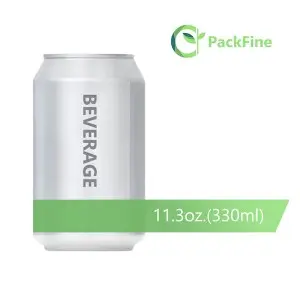
Which Dimensions Should Buyers Confirm Before Ordering?
Before requesting a quotation or placing an order, buyers should obtain the technical drawing for the specific 330ml can. General descriptions such as Standard, Sleek, or Slim are not sufficient when precise compatibility is required.
The key measurements and specifications include:
| Specification | Why it matters |
|---|---|
| Overall can height | Determines equipment clearance, carton fit, and display arrangements |
| Maximum body diameter | Affects guides, trays, and storage layouts |
| Can-end diameter and profile | Must match the intended end and seaming requirements |
| Neck and shoulder profile | Influences component compatibility and handling |
| Nominal capacity | Confirms the intended beverage volume |
| Internal coating | Helps determine suitability for the beverage |
Buyers should also clarify whether the measurements refer to the can body or the complete assembled can. This prevents misunderstandings when comparing specifications from different suppliers.
For an existing filling line, the equipment manufacturer or production team should review the drawing before the order is finalized. Sample testing can also help confirm conveying, filling, seaming, and secondary packaging performance.
Common Mistakes When Comparing 330ml Can Formats
One common mistake is assuming that the same capacity means the same external dimensions. Standard, Sleek, and Slim cans may have noticeably different proportions. Selecting a can based only on its 330ml capacity can therefore create problems with existing equipment or packaging materials.
Another mistake is overlooking the can-end specification. The body and end need to work together, and a visually suitable can is not automatically compatible with the intended opening component or seaming setup.
Buyers should also consider the complete distribution process. A taller or narrower can may require changes to cartons, trays, storage arrangements, or retail displays. These changes can influence packaging costs and operating efficiency.
Finally, approximate measurements should not replace technical drawings. Even relatively small differences can matter in automated production and packaging systems. Confirm the actual specifications with the supplier before placing an order.
Choosing a 330ml Can That Meets Practical Requirements
Selecting between Standard, Sleek, and Slim formats requires balancing appearance, beverage requirements, production compatibility, and distribution needs. The right can should support the product’s positioning while working reliably throughout filling, packing, storage, and retail display.
When comparing different 330ml Can Dimensions, buyers should evaluate the complete can format instead of focusing on height or diameter alone. Checking the can body, end configuration, and intended application together helps reduce specification errors and makes packaging changes more predictable.
When considering aluminum beverage cans, buyers can compare Standard, Sleek, and Slim formats alongside suitable can-end options. Sharing the intended beverage, preferred can shape, filling requirements, and expected order quantity with Packfine can help identify suitable packaging options and clarify the specifications that need confirmation before ordering.
Conclusion
Standard, Sleek, and Slim cans can all provide a 330ml serving, but their dimensions and packaging characteristics differ. Standard cans offer a familiar profile, Sleek cans provide a taller appearance, and Slim cans create a more elongated shape. The final choice should account for actual measurements, component compatibility, production equipment, and distribution requirements. Confirming these details before ordering helps beverage brands select a format that works in both presentation and production.
FAQs
1. Does every 330ml can have the same height and diameter?
No. Standard, Sleek, and Slim cans can have different external dimensions even when their nominal beverage capacity is 330ml.
2. Are Sleek and Slim cans interchangeable?
Not necessarily. Their proportions and specifications may differ, affecting equipment settings, packaging materials, and display arrangements. Buyers should compare technical drawings before treating them as interchangeable.
3. Can a filling line designed for standard cans handle Sleek or Slim cans?
It depends on the equipment and its adjustment range. Some lines can accommodate different formats with suitable change parts or setting adjustments. Compatibility should be confirmed with the equipment manufacturer.
4. What information should I provide when requesting a quotation for 330ml cans?
Provide the preferred can format, beverage type, can-end specification if known, filling requirements, estimated order quantity, and any existing technical drawings or samples.
Post time: Nov-18-2026