


In today’s competitive global food and beverage industry, packaging is not just a container—it is a crucial part of the product experience. Manufacturers and brands are increasingly focusing on convenience, safety, and efficiency in packaging. Full aperture can lids have emerged as a key solution to meet these demands, offering both manufacturers and consumers a superior experience. These lids allow the entire top of the can to be opened, providing easy access and improving usability across a variety of food and beverage products.
For B2B buyers, understanding the applications, types, and benefits of full aperture can lids is essential to make informed procurement decisions and stay ahead in a competitive market.
What Are Full Aperture Can Lids?
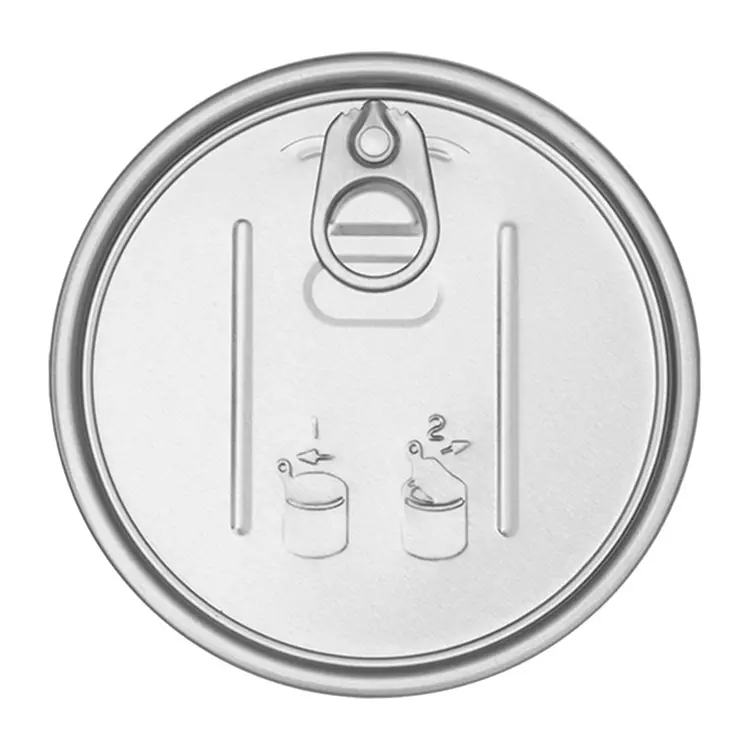
Full aperture can lids are metal can ends designed to remove the entire top surface of a can when opened. Equipped with an easy-open pull tab, these lids allow the can to function as a bowl, cup, or container. Unlike traditional partial-opening lids, full aperture designs provide complete access to the product, making them ideal for ready-to-eat meals, powdered beverages, infant formula, seafood, snacks, and industrial food applications.
The design ensures user convenience, safety, and product hygiene. Consumers no longer need utensils to access the contents, which is particularly important for on-the-go, outdoor, or pre-prepared meals.
Key Advantages of Full Aperture Can Lids
Full aperture can lids offer several operational and consumer benefits:
● Enhanced Accessibility: Easy to open and fully exposes the contents of the can.
● User Safety: Smooth edges reduce the risk of cuts or injuries.
● Strong Sealing: Ensures product freshness and prevents contamination.
● Durability: Suitable for high-pressure processing and shipping.
● Versatility: Compatible with standard filling and seaming lines.
● Customization: Options available for diameter, embossing, coating, and color.
● Consumer Appeal: Makes products more convenient, increasing customer satisfaction.
These features make full aperture lids a preferred choice for global food manufacturers seeking quality, efficiency, and reliability.
Common Applications of Full Aperture Can Lids
Full aperture can lids are widely used in industries that prioritize convenience and direct consumption:
● Canned Meat and Seafood: Allows scooping or pouring without additional tools.
● Ready-to-Eat Meals and Soups: Ideal for single-serve or bulk portions.
● Infant Formula and Powdered Products: Maintains hygiene and reduces spillage.
● Snack Foods and Confectionery: Easy access for consumers and portion control.
● Industrial Food Ingredients: Efficient use for large-scale production or processing.
Their versatility makes them suitable for a wide range of packaging scenarios.
Types of Full Aperture Can Lids
Full aperture can lids can be classified by material, opening mechanism, and diameter:
By Material
● Tinplate: Common for standard food products.
● Aluminum: Lightweight, corrosion-resistant, suitable for high-moisture foods.
● Coated or composite options: For acidic or specialized products.
By Opening Mechanism
● Standard pull tabs: Most common for general applications.
● Wide-tab lids: Easier for elderly or larger hands.
● Heavy-duty lids: Suitable for industrial applications with dense or heavy contents.
By Diameter
● 200 series, 202 series, 209 series, 300–307 series, 401–603 series
● Choosing the correct diameter ensures compatibility with canning equipment and production lines.
Why Manufacturers Should Choose Full Aperture Can Lids
For B2B manufacturers and suppliers, full aperture can lids provide multiple operational advantages:
● Improved Efficiency: Reduces time needed for handling and serving.
● Higher Consumer Satisfaction: Better usability leads to increased repeat purchases.
● Global Market Compliance: Meets international food packaging standards.
● Enhanced Product Value: Premium appearance enhances shelf appeal.
● Automated Production Line Compatibility: Reduces downtime and increases output.
● Safety and Hygiene: No additional utensils required for opening, reducing contamination risk.
These advantages translate to stronger product differentiation, operational cost savings, and improved global market opportunities.
Considerations When Selecting Full Aperture Can Lids
When sourcing full aperture can lids, manufacturers should evaluate:
● Diameter and seaming compatibility with can bodies
● Coating type (epoxy-free, gold, or clear)
● Material strength based on product density
● Corrosion resistance for high-moisture or acidic foods
● Ease of opening and consumer safety
● Sterilization and high-temperature compatibility
Proper evaluation ensures smooth production and high-quality end products.
Conclusion
Full aperture can lids are transforming modern food and beverage packaging with their combination of convenience, safety, and versatility. They provide manufacturers with operational efficiency and compliance advantages while offering consumers a superior, hassle-free experience. By understanding the types, features, and applications, B2B buyers can make informed decisions to optimize packaging operations and meet international market demands. As consumer expectations and industry standards continue to evolve, full aperture can lids will remain a critical component for competitive food packaging solutions.
FAQ
1. Which products are best suited for full aperture can lids?
They are ideal for ready-to-eat meals, seafood, powdered products, snacks, and any items requiring full access without utensils.
2. Are full aperture lids compatible with standard canning lines?
Yes, most lids are designed for automated can-seaming equipment, but specifications must match can dimensions.
3. Can these lids withstand high-temperature sterilization?
Many full aperture lids are compatible with retort and high-temperature processes, depending on material and coating.
4. What materials are commonly used for full aperture lids?
Tinplate and aluminum are the primary materials, chosen based on product needs and regulatory requirements.
Post time: Dec-10-2025