


Can lids are essential components in the metal packaging industry, responsible not only for sealing and protecting the contents but also for maintaining product freshness and safety during distribution. As the demand for beverages, canned foods, and industrial products continues to expand globally, knowing the main types of can lids is crucial for B2B buyers in food processing, beverage manufacturing, and packaging supply chains.
This article introduces the most common can lid categories used worldwide, their structures, and their typical application fields, helping procurement teams choose the optimal specification for their production lines and target markets.
Why Can Lids Matter in Packaging Performance
Can lids directly influence product shelf life, sealing strength, consumer convenience, and production efficiency. Whether for carbonated beverages, meat products, baby formula, edible oils, pet food, or industrial products, the lid design must meet specific functional and regulatory requirements. A carefully selected can lid ensures safe transportation, prevents contamination, and supports brand positioning through high-quality packaging.
B2B buyers must therefore understand lid types, opening mechanisms, and materials to ensure compatibility with filling equipment and downstream market needs. In addition, sustainability regulations and lightweighting trends have made lid selection even more strategic for cost and environmental performance.
Main Types of Can Lids in the Metal Packaging Industry
Below are the major can lid categories commonly sourced by manufacturers and distributors around the world:
Easy Open Ends (EOE)
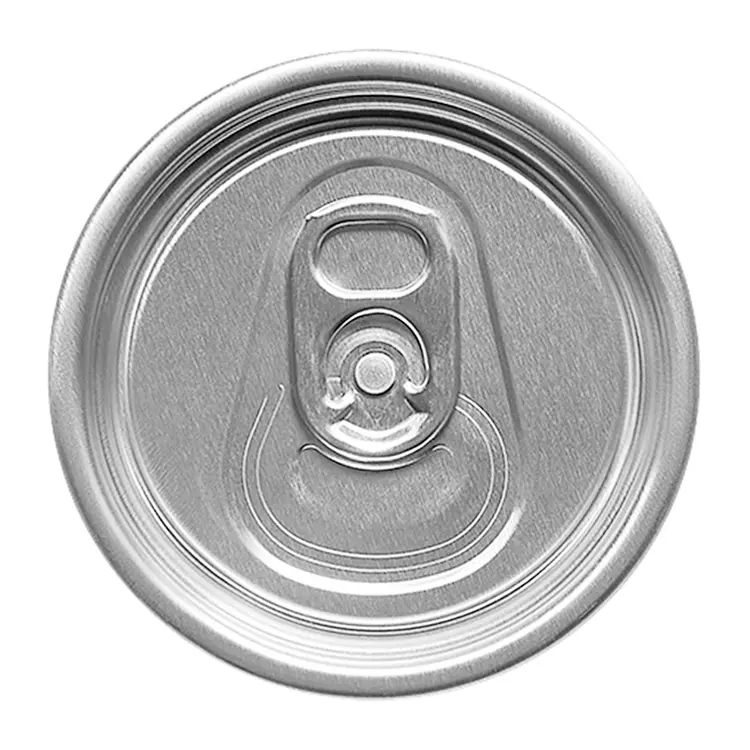
The most widely used lid type for beverage and food packaging. They feature a scored area and a riveted tab that allows consumers to open the can without tools.
Full Aperture Easy Open Ends (FAEOE)
Designed for tuna cans, fruit cans, canned meals, and snack foods. The entire lid is removable, making it easy to access the contents fully.
Stay-On-Tab Ends
Mainly used in beverage cans for carbonated drinks and energy beverages. The tab stays attached to the lid after opening, preventing litter and improving consumer experience.
Peel-Off Ends and Foil Membrane Ends
A laminated foil or composite membrane is peeled off to access the product. Widely used for dry foods, baby formula, milk powder, and coffee.
Sanitary Can Lids (Non-EOE Standard Ends)
Sealed using a can opener. These are still popular in industrial packaging and markets with lower reliance on easy-open formats.
Ring Pull Ends
A traditional style of easy-open lid with a pull ring. While gradually replaced by modern EOE designs, they remain in use for some specialty markets.
Aerosol Can Lids
Engineered to withstand internal pressure changes. Common in personal care, household products, lubricants, and spray paints.
Metal Lug and Twist Lids
Used for jar-style containers requiring resealability, such as sauces and pickled foods.
Each type has unique features that align with specific filling conditions, sterilization processes, and end-user expectations.
Key Selection Factors for Buying Different Can Lids
• Product content: carbonated beverages, retort foods, powders, oils, sauces
• Opening experience: full removal, partial opening, resealability
• Production line requirements: filling speed, seaming compatibility
• Pressure resistance: carbonated, vacuum, hot filling, retort applications
• Corrosion resistance and coating needs based on food acidity
• Sustainability goals related to alloy lightweighting and material reduction
• Regulatory compliance for food-contact metal packaging in target markets
Applications Across Food, Beverage, and Industrial Sectors
• Carbonated drinks, beer, juices, energy beverages
• Canned meat, seafood, vegetables, fruits, ready-to-eat foods
• Baby formula, milk powder, coffee, cereals, nutritional products
• Edible oils, sauces, and canned desserts
• Pet food storage and distribution
• Paints, lubricants, and chemical products requiring pressure resistance
Global brands are increasingly prioritizing convenience packaging, and can lid technology continues to improve in durability, hygiene, and environmental impact.
Production and Material Considerations in Can Lids
Can lids are typically produced from aluminum or tinplate steel. Aluminum is favored for beverage packaging due to its lightweight and recyclability, while tinplate offers strong mechanical resistance and cost advantages for food products requiring higher sealing strength or thermal processing.
Surface coatings like BPA-NI lacquers are used to prevent corrosion and chemical migration. Advanced scoring and tab forming technologies also improve opening performance while reducing material usage.
These technical refinements help B2B buyers balance cost structures and meet evolving safety requirements.
Emerging Trends in Can Lid Innovation
Industry upgrades are driven by consumer expectations and regulatory pressures. Key developments include:
• Lightweight lids to reduce raw material consumption
• Improved tamper-evidence features for safety compliance
• Higher sustainability with metal recycling integration
• Convenience designs supporting easy, smooth opening
• Hybrid lids combining metal with high-barrier films
Manufacturers that adopt these technologies help brand owners improve competitiveness in crowded shelf environments.
Conclusion
Understanding the different types of can lids allows B2B purchasing managers to match each product with the correct packaging solution. Easy open ends, foil peel-off ends, sanitary lids, full aperture openings, and pressure-resistant aerosol lids all serve distinct roles in food, beverage, and industrial packaging. Selecting the right lid type not only supports production efficiency but also enhances consumer satisfaction, brand perception, and long-term cost control.
As packaging continues to evolve, successful procurement depends on choosing a lid specification aligned with regulatory compliance, sustainability targets, and customer convenience. For businesses operating in the global metal packaging supply chain, informed lid selection is a strategic advantage.
FAQ:
Q1: What is the most commonly used can lid type in beverages?
Stay-on-tab and easy open ends are widely used because they offer consumer convenience and support high-speed canning lines.
Q2: How do I determine whether to choose aluminum or tinplate lids?
Consider filling pressure, sterilization requirements, cost expectations, and recycling policies in your market.
Q3: Are can lids customizable for branding?
Yes. Tabs, lacquer colors, embossing, and printing can enhance brand recognition and product appeal.
Post time: Dec-03-2025