


In the modern beverage industry, packaging is more than a container—it is a strategic asset that ensures product integrity, enhances brand appeal, and drives operational efficiency. Among various options, the stubby can has gained popularity for its unique shape, portability, and consumer-friendly design. Understanding the features, benefits, and applications of stubby cans is essential for B2B beverage manufacturers, distributors, and packaging suppliers aiming to optimize their product offerings.
The Significance of Stubby Cans in Beverage Packaging
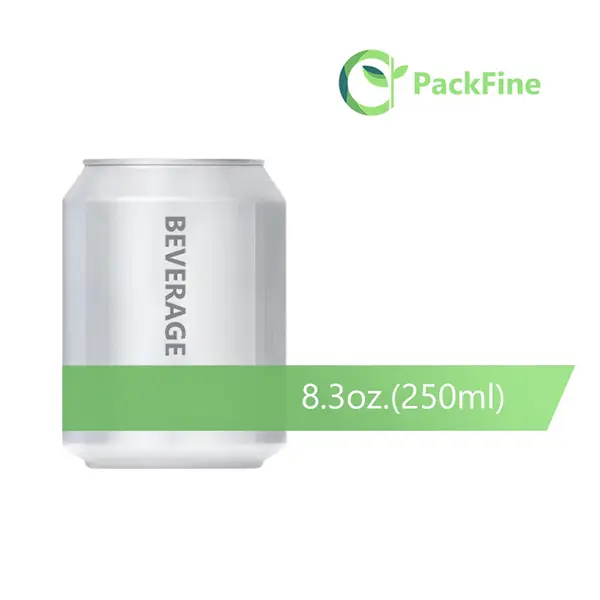
The stubby can is a shorter and wider version of the traditional beverage can, offering distinctive advantages in both marketing and logistics. Its compact design makes it ideal for certain market segments, while maintaining the same carbonation retention and beverage quality as standard cans. For B2B professionals, choosing stubby cans can help streamline operations, reduce transportation costs, and create differentiation in a competitive market.
Key reasons for selecting stubby cans include:
● Unique Shelf Presence: The shorter, wider profile stands out on retail shelves, attracting consumer attention.
● Consumer Convenience: Ergonomically designed for comfortable handling and easy consumption.
● Portability: Compact size fits easily in coolers, vending machines, and personal storage.
● Sustainability: Made from recyclable aluminum, supporting eco-conscious initiatives.
Material and Design Features of Stubby Cans
A stubby can combines functionality with robust design. Its materials and construction ensure product integrity, durability, and consistent performance across the supply chain:
● Aluminum Construction: Lightweight, corrosion-resistant, and fully recyclable, ideal for high-volume production.
● Short, Wide Shape: Enhances grip and ergonomics while providing a unique appearance for branding.
● Pressurized Sealing: Maintains carbonation and prevents leaks, ensuring beverage quality during transport.
● Protective Interior Coatings: Prevent beverage-metal interaction, preserving flavor and safety.
These features ensure that stubby cans meet both operational and consumer expectations, providing a high-quality packaging solution for B2B clients.
Key Applications of Stubby Cans
The versatility of stubby cans makes them suitable for various beverage types, enabling manufacturers to target niche markets or create premium product offerings:
Carbonated Soft Drinks
● Maintains carbonation and freshness due to airtight sealing.
● Distinctive shape enhances brand visibility on crowded shelves.
● Ideal for retail and on-premise locations, such as convenience stores and restaurants.
Alcoholic Beverages
● Commonly used for beers, ciders, and pre-mixed cocktails.
● Shorter height and wider base make cans stable and easy to stack in coolers.
● Lightweight and durable design improves portability and reduces breakage risk.
Energy and Functional Drinks
● Perfect for active consumers seeking quick refreshment.
● Stubby design provides a comfortable grip and reduces spillage risk.
● Vibrant labeling options allow for attractive marketing and brand differentiation.
Ready-to-Drink (RTD) Products
● Suitable for iced teas, fruit juices, and coffee beverages.
● Compact size is ideal for on-the-go consumption and portion control.
● Enhances retail display flexibility while ensuring beverage quality.
B2B Advantages of Using Stubby Cans
For beverage manufacturers and distributors, stubby cans offer multiple operational benefits:
● Efficient Storage and Shipping: Shorter height allows for optimized packing density, reducing transportation costs.
● Automation-Friendly: Compatible with automated filling, sealing, and labeling lines.
● Marketing Flexibility: Unique shape supports promotional campaigns and seasonal editions.
● Sustainability and Corporate Responsibility: Aluminum construction supports recycling initiatives and aligns with environmental goals.
These benefits make stubby cans an appealing choice for B2B buyers aiming to balance cost, efficiency, and consumer appeal.
Selecting the Right Stubby Can for Your Product
When choosing a stubby can, consider the following factors to ensure optimal performance and market success:
-
Capacity: Common sizes range from 250ml to 330ml, depending on beverage type and market preferences.
-
Sealing Type: Standard pull-tab lids are widely used; resealable or specialty lids may suit premium products.
-
Coating and Lining: Ensure internal coatings prevent metal interaction, preserving taste and safety.
-
Branding Requirements: Stubby cans offer a larger visible surface area, enabling creative labeling and marketing opportunities.
Proper selection ensures operational efficiency, high product quality, and enhanced shelf appeal.
Innovations Enhancing Stubby Can Packaging
The beverage industry continuously innovates to enhance packaging solutions. Key innovations for stubby cans include:
● Lightweight Aluminum Technology: Reduces material usage while maintaining durability.
● Smart Packaging: QR codes and RFID integration for tracking, authentication, and consumer engagement.
● Nanocoatings: Protects beverage integrity by preventing corrosion and preserving flavor.
● Ergonomic and Aesthetic Design: Enhances grip, portability, and shelf differentiation, boosting consumer preference.
These innovations help B2B beverage manufacturers stay competitive and deliver products that resonate with end consumers.
Conclusion
The stubby can is a versatile, practical, and visually distinctive packaging option for a wide range of beverages. From carbonated soft drinks to alcoholic beverages, energy drinks, and ready-to-drink products, stubby cans provide operational efficiency, sustainability, and enhanced consumer appeal. For B2B professionals, understanding material specifications, applications, and innovations is critical for optimizing production, reducing costs, and increasing market impact. By investing in high-quality stubby cans, beverage manufacturers can strengthen their brand presence and deliver a premium drinking experience.
FAQ:
Q1: What types of beverages are best suited for stubby cans?
A1: Carbonated soft drinks, beers, ciders, pre-mixed cocktails, energy drinks, and ready-to-drink beverages all benefit from stubby can packaging.
Q2: How does the stubby can maintain carbonation and freshness?
A2: Airtight sealing, pressurized design, and protective interior coatings preserve carbonation and prevent beverage-metal interaction, ensuring quality from production to consumption.
Q3: Are stubby cans environmentally sustainable?
A3: Yes, made from fully recyclable aluminum, stubby cans support circular economy practices and reduce environmental impact.
Q4: What advantages do stubby cans offer to B2B manufacturers?
A4: Stubby cans improve storage efficiency, reduce shipping costs, enable automated processing, and provide unique branding opportunities that enhance market differentiation.
Post time: Dec-29-2025