


In the fast-paced beverage industry, high-quality soft drink cans are crucial for maintaining product freshness, brand appeal, and operational efficiency. For B2B buyers, selecting reliable cans can directly impact production workflows, distribution logistics, and customer satisfaction. As demand for carbonated beverages and ready-to-drink drinks grows globally, investing in durable, sustainable, and customizable soft drink cans has become more important than ever.
Why Soft Drink Cans Are Vital for B2B Operations
Choosing the right soft drink cans affects not only product quality but also operational performance and profitability. Key benefits for businesses include:
● Product Protection: Metal cans provide excellent barriers against oxygen, moisture, and light, preserving flavor and carbonation.
● Efficiency in Production: Standardized cans support high-speed automated filling and sealing lines, reducing downtime.
● Cost-Effective Logistics: Lightweight and stackable cans optimize storage and reduce shipping costs.
● Sustainability: Aluminum cans are highly recyclable, helping companies meet environmental goals.
● Global Market Compatibility: Standard dimensions ensure seamless distribution across international markets.
By leveraging these advantages, manufacturers and distributors can maintain product consistency while scaling operations efficiently.
Materials and Design Considerations for Soft Drink Cans
The performance of soft drink cans is heavily influenced by materials, coatings, and design features. Reliable manufacturers focus on precision and safety to ensure optimal beverage quality.
● Aluminum Construction: Lightweight, durable, and corrosion-resistant, ideal for carbonated beverages.
● Tin-Plated Steel Options: Suitable for specialty or industrial beverages.
● Food-Grade Linings: Prevent interaction between the beverage and metal surface.
● Pressure Resistance: Designed to withstand carbonation and internal pressure during filling and transport.
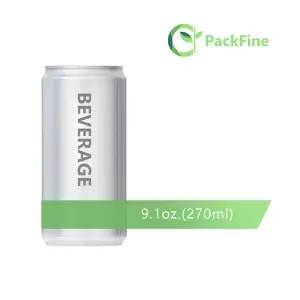
● Customizable Shapes and Sizes: From standard 330 ml cans to slim 250 ml or 500 ml options for brand differentiation.
These design considerations help businesses maintain both product quality and operational efficiency.
Supply Chain Advantages of Using Soft Drink Cans
In addition to product protection, soft drink cans offer logistical and operational benefits:
● Optimized Storage and Transport: Cans can be efficiently palletized or nested to maximize warehouse and container space.
● Reduced Damage Risk: Compared with glass bottles, cans are less likely to break during handling and shipping.
● Long Shelf Life: Cans resist environmental factors such as humidity, temperature, and light exposure.
● Consistent Quality: Standardized production ensures uniform dimensions and reduces operational errors.
● Global Distribution Readiness: Cans meet international regulatory and retail requirements, making them ideal for worldwide markets.
These advantages make soft drink cans a practical solution for large-scale beverage producers and distributors.
Applications Across the Beverage Industry
Soft drink cans are versatile packaging options for multiple beverage categories:
● Carbonated Soft Drinks: Sodas, sparkling water, and flavored fizzy beverages.
● Energy and Functional Drinks: High-demand functional beverages like energy or vitamin drinks.
● Ready-to-Drink Coffee and Tea: Convenient canned options for fast-growing markets.
● Private Label and Promotional Beverages: Supporting retailers and brand owners with customized packaging solutions.
● Specialty and Seasonal Drinks: Limited editions or seasonal beverages that require eye-catching packaging.
This versatility enables B2B buyers to meet diverse consumer demands efficiently.
Sustainability and Branding Opportunities
Environmental responsibility has become a key consideration for global beverage brands. Soft drink cans support sustainability goals while providing branding flexibility:
● Recyclable Materials: Aluminum cans can be recycled repeatedly without quality loss.
● Eco-Friendly Manufacturing: Reduces carbon footprint and shipping energy costs.
● Customizable Printing and Coatings: Supports brand recognition and marketing campaigns.
● Consumer Preference: Environmentally conscious packaging enhances brand loyalty and perception.
Investing in sustainable and customizable cans allows businesses to differentiate their products while aligning with modern environmental standards.
Conclusion
Soft drink cans are more than simple packaging—they are essential tools for ensuring product quality, operational efficiency, and market competitiveness. Their durability, standardization, sustainability, and customization options make them ideal for B2B beverage manufacturers and distributors. By choosing high-quality soft drink cans, companies can protect their beverages, enhance brand appeal, optimize logistics, and meet growing global demand for environmentally responsible packaging.
FAQ
Q1: What types of beverages are commonly packaged in soft drink cans?
A1: Carbonated soft drinks, energy drinks, ready-to-drink coffee and tea, functional beverages, and private label beverages are commonly packaged in soft drink cans.
Q2: Can soft drink cans be customized for branding purposes?
A2: Yes. Manufacturers can provide custom printing, coatings, finishes, and lid options to meet brand identity and marketing requirements.
Q3: Why are soft drink cans considered sustainable?
A3: Aluminum cans are highly recyclable, and many manufacturers offer eco-friendly production processes that support environmental goals and corporate ESG initiatives.
Q4: What factors should B2B buyers consider when choosing a soft drink can manufacturer?
A4: Buyers should consider production capacity, quality certifications, customization options, technical support for filling lines, and supply reliability to ensure consistent product quality and efficient operations.
Post time: Mar-04-2026