


In today’s highly competitive beverage market, packaging not only shapes the consumer’s first impression but also directly affects product protection and brand positioning. Among various packaging options, the small aluminum can has become a preferred choice due to its flexibility, convenience, cost efficiency, and sustainability.
For B2B buyers such as manufacturers, distributors, and private-label beverage brands, small aluminum cans offer strong advantages in production, transportation, and retail performance. This article explores the benefits, market applications, and supply considerations of small aluminum cans, and explains how businesses can leverage them to strengthen brand competitiveness.
Advantages of Small Aluminum Cans
Small aluminum cans deliver multiple benefits for both businesses and consumers. These advantages enhance the user experience while creating measurable commercial value.
● Portability and convenience: Small aluminum cans are lightweight yet durable, making them ideal for on-the-go consumption. For B2B customers, this translates into lower logistics costs and higher transportation efficiency, while also simplifying retail display.
● Product protection: Aluminum effectively blocks light, oxygen, and moisture, helping preserve the taste, carbonation, and freshness of beverages such as soft drinks, juices, and energy drinks. This is especially important for premium and craft products.
● Sustainability: Aluminum is 100% recyclable without quality loss. As environmental awareness grows, recyclable packaging helps brands meet sustainability targets and appeal to eco-conscious consumers.
● Design flexibility: The smooth can surface supports full-color printing and custom graphics, allowing brands to create eye-catching packaging, limited editions, or promotional designs that stand out on shelves.
● Shelf appeal: Modern and sleek shapes enhance visual impact and encourage impulse purchases in supermarkets, convenience stores, and vending machines.
● Production compatibility: Small aluminum cans are compatible with most standard filling lines, helping beverage producers optimize manufacturing efficiency without major equipment changes.
Why Small Aluminum Cans Are Popular in the Beverage Industry
The widespread adoption of small aluminum cans is driven by their ability to meet both operational and consumer needs.
● Freshness retention: Airtight sealing protects beverages from oxidation and UV exposure, maintaining flavor stability and carbonation better than many alternative packaging formats.
● Consumer convenience: Compact sizes and easy-open lids suit fast-paced lifestyles, making them ideal for ready-to-drink occasions, travel, events, and outdoor use.
● Market trends: Today’s consumers increasingly prefer lightweight, portable, and eco-friendly packaging, positioning small aluminum cans as a future-focused solution.
● Cost efficiency: Reduced material usage and optimized pallet loading lower shipping and storage costs, improving overall supply chain performance.
● Branding opportunities: Full-body printing space enables companies to showcase logos, stories, and promotional messages, helping strengthen brand recognition.
Market Applications of Small Aluminum Cans
Small aluminum cans are versatile and suitable for a wide range of beverage categories.
● Carbonated drinks: Soft drinks, sparkling water, and energy beverages benefit from excellent carbonation retention and convenient single servings.
● Juice and tea beverages: Aluminum protects natural flavors and nutrients while providing portable packaging.
● Functional and energy drinks: Ideal portion sizes meet the needs of fitness enthusiasts, office workers, and active consumers.
● Craft beer and alcoholic beverages: Many craft brewers and ready-to-drink cocktail brands prefer small cans for their portability, protection from light, and modern appearance.
● Sampling and limited editions: Perfect for promotional packs, trial sizes, and seasonal products, helping brands test new flavors or launch campaigns.
● OEM and private-label production: Small aluminum cans support customized orders and small batch production, making them ideal for contract manufacturing.
B2B Production and Supply Considerations
When sourcing small aluminum cans, B2B buyers should evaluate several technical and operational factors to ensure optimal results.
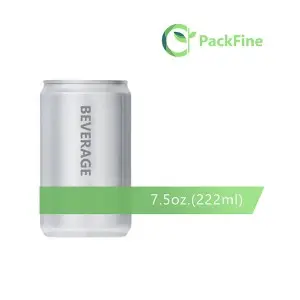
● Size and capacity: Common options include 150ml, 250ml, and 330ml. Capacity affects portion control, logistics costs, and consumer positioning.
● Can shape design: Standard, slim, and sleek styles serve different marketing and shelf requirements.
● Material quality: High-grade aluminum improves strength, durability, and print quality while ensuring recyclability.
● Printing and customization: Digital, offset, and shrink-sleeve printing allow vivid colors and detailed branding.
● Filling line compatibility: Cans must match existing equipment to avoid downtime and reduce production risks.
● Environmental compliance: Choosing recyclable materials and responsible suppliers helps brands achieve sustainability goals and regulatory compliance.
Conclusion
Small aluminum cans have become an essential packaging solution for modern beverage brands due to their portability, flexibility, sustainability, and strong branding potential. Whether used for carbonated drinks, juices, craft beer, or functional beverages, they protect product quality while enhancing consumer convenience and operational efficiency.
For B2B businesses, investing in high-quality and customizable small aluminum cans not only reduces costs across the supply chain but also strengthens brand differentiation in a competitive market. As consumer demand continues shifting toward convenient and eco-friendly packaging, small aluminum cans will remain a key driver of growth and innovation in the beverage industry.
FAQ
Q: What types of beverages are suitable for small aluminum cans?
A: They are suitable for soft drinks, juices, tea beverages, energy drinks, craft beer, cocktails, and other ready-to-drink products.
Q: Are small aluminum cans recyclable?
A: Yes. Aluminum is fully recyclable and can be reused repeatedly without losing quality.
Q: How do I choose the right can capacity?
A: Common sizes include 150ml, 250ml, and 330ml. Selection depends on portion control, target consumers, and transportation efficiency.
Q: Can small aluminum cans be customized for branding or promotions?
A: Absolutely. They support full-surface printing and creative designs, making them ideal for private labels, seasonal packaging, and promotional campaigns.
Post time: Feb-09-2026