


Introduction
Slim can drinks are rapidly transforming the global beverage market. With their sleek, modern design and convenient size, slim cans appeal to both consumers and beverage brands looking to stand out in a competitive market. From energy drinks and sparkling waters to ready-to-drink cocktails and fruit beverages, slim cans have become the packaging of choice for innovative and health-conscious brands. In this article, we explore the rising popularity of slim can drinks, their advantages, market trends, and why beverage companies are increasingly adopting this format.
What Are Slim Can Drinks?
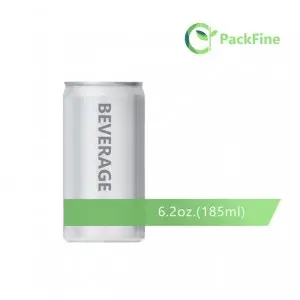
Slim can drinks refer to beverages packaged in narrow, cylindrical aluminum cans, typically ranging from 150 ml to 250 ml in volume. Compared to standard 330 ml or 355 ml cans, slim cans offer a more elegant and portable option. They are often used for energy drinks, sparkling waters, specialty sodas, and premium beverages targeting a health-conscious or on-the-go audience.
Advantages of Slim Can Drinks
● Portability: Slim cans are lightweight and easy to carry, making them ideal for consumers on the move, gym-goers, or office workers seeking convenient refreshment.
● Modern Aesthetic: Their sleek and slim design is visually appealing and fits well with contemporary branding strategies. The compact shape allows beverage brands to experiment with creative graphics and labels.
● Portion Control: Smaller volumes help consumers manage sugar, caffeine, or calorie intake, appealing to health-conscious individuals.
● Eco-Friendly: Aluminum slim cans are fully recyclable, and their smaller size reduces material use, aligning with sustainable packaging trends.
● Shelf Appeal: Slim cans take up less shelf space but maintain high visibility, allowing retailers to display more SKUs without clutter.
Slim Can Drinks Market Trends
The demand for slim can drinks has been growing steadily, driven by several factors:
● Energy Drinks Expansion: Brands like Red Bull and Monster Energy have popularized slim cans as a premium, convenient format for energy drinks, especially among younger demographics.
● Health and Wellness Trends: Consumers increasingly prefer beverages with lower sugar content or functional benefits such as vitamins, electrolytes, or natural extracts. Slim cans are ideal for portion-controlled, health-focused beverages.
● Premiumization: Beverage brands are using slim cans to differentiate their products in a crowded market. Limited edition flavors, designer packaging, and collaborations with influencers often use slim cans to create a premium perception.
● Convenience Packaging: Busy lifestyles and on-the-go consumption have fueled the demand for slim can drinks. Their compact size fits backpacks, lunchboxes, or gym bags, providing easy access to refreshment anytime.
● Global Adoption: Slim can drinks are not limited to North America or Europe; they are gaining traction in Asia, the Middle East, and Latin America. Beverage companies are adapting slim cans to local tastes, flavors, and consumption patterns.
Popular Types of Slim Can Drinks
● Energy Drinks: Slim cans are synonymous with energy drinks, offering quick boosts of caffeine and other functional ingredients.
● Sparkling Water: Flavored sparkling water brands are adopting slim cans to target health-conscious consumers seeking low-calorie hydration.
● Ready-to-Drink Cocktails: The popularity of RTD cocktails has grown, and slim cans provide a convenient, single-serve option for consumers.
● Juice and Functional Drinks: Smaller portions in slim cans are ideal for nutrient-packed juices, protein drinks, and other functional beverages.
B2B Advantages of Slim Can Drinks
For beverage manufacturers, distributors, and retailers, slim can drinks offer multiple operational and marketing benefits:
● Reduced Logistics Costs: Slim cans are lightweight, take up less space, and allow for efficient shipping and storage.
● Brand Differentiation: The unique shape allows brands to stand out on crowded shelves. Customizable graphics and limited editions increase consumer engagement.
● Scalability: Slim can production can be integrated into existing beverage can production lines with minimal modifications, allowing flexible scalability.
● Consumer Loyalty: Offering innovative and stylish packaging formats like slim cans can enhance brand perception and build consumer loyalty.
Sustainability Considerations
As environmental concerns grow, slim can drinks are an eco-friendly option:
● Recyclability: Aluminum is infinitely recyclable without quality loss. Slim cans reduce material consumption while maintaining durability.
● Lightweight Design: Smaller and lighter cans reduce carbon emissions in transportation.
● Eco-Conscious Branding: Companies can leverage slim cans as a sustainable packaging choice, appealing to environmentally aware consumers.
Future Outlook
The slim can drink market is expected to continue its growth trajectory in the coming years. Beverage companies are exploring new flavors, functional ingredients, and interactive packaging features, such as QR codes for promotions or augmented reality experiences. With increasing health awareness and demand for convenience, slim can drinks are positioned to remain a key trend in global beverage packaging.
FAQ
Q: Why are slim cans popular among consumers?
A: Slim cans are portable, visually appealing, portion-controlled, and align with health and convenience trends.
Q: What types of beverages are commonly packaged in slim cans?
A: Energy drinks, sparkling water, ready-to-drink cocktails, juices, and functional drinks are commonly found in slim cans.
Q: Are slim cans environmentally friendly?
A: Yes, slim cans are made of recyclable aluminum and require less material than traditional cans, reducing environmental impact.
Q: Can beverage companies customize slim can designs?
A: Absolutely. Slim cans offer full-print customization options, enabling unique branding, limited editions, and promotional campaigns.
Conclusion
Slim can drinks represent a growing trend in the beverage industry. Their compact, stylish, and functional design appeals to consumers and offers multiple advantages for beverage companies, from brand differentiation and operational efficiency to sustainability. As consumer preferences continue to evolve toward healthier and more convenient options, slim can drinks are poised to become a standard in modern beverage packaging. For B2B beverage brands, investing in slim can production and marketing is a strategic way to meet market demand and stand out in a competitive industry.
Post time: Feb-04-2026