


In modern manufacturing and beverage distribution, packaging efficiency directly affects product safety, logistics performance, and brand competitiveness. Empty drink cans play a critical role in global supply chains by offering standardized, scalable, and sustainable packaging solutions for B2B buyers across multiple industries.
As beverage consumption continues to grow worldwide, businesses increasingly rely on high-quality empty cans to support automated production, transportation efficiency, and environmental responsibility.
Why Empty Drink Cans Are Essential for B2B Operations
For manufacturers, distributors, and private-label brands, packaging decisions influence operational costs and production stability. Empty drink cans provide a practical solution that meets both industrial performance and commercial requirements.
Key reasons businesses prefer empty drink cans include:
● Production Efficiency: Designed for high-speed filling lines, reducing downtime during mass production
● Product Protection: Metal cans create strong barriers against oxygen, moisture, and light exposure
● Standardization: Uniform dimensions simplify storage, palletization, and global shipping
● Cost Optimization: Lightweight structure lowers freight expenses compared with glass packaging
● Market Compatibility: Widely accepted packaging format across international beverage markets
These advantages allow companies to scale operations efficiently while maintaining consistent product quality.
Materials and Manufacturing Standards of Empty Drink Cans
The performance of empty drink cans largely depends on material quality and manufacturing precision. Reliable suppliers focus on advanced production technologies to ensure safety and durability.
Common material characteristics include:
● Aluminum Construction: Lightweight, corrosion-resistant, and highly recyclable
● Tinplate Steel Options: Suitable for specific industrial beverages or specialty liquids
● Internal Coating Systems: Food-grade linings prevent chemical reactions between beverages and metal surfaces
● Pressure Resistance: Engineered to withstand carbonation pressure during filling and transport
● Precision Forming: Ensures compatibility with sealing equipment and prevents leakage
High manufacturing standards help minimize product loss, maintain beverage freshness, and improve filling efficiency for large-scale producers.
Supply Chain Advantages of Using Empty Drink Cans
From procurement to final distribution, packaging efficiency directly impacts profitability. Integrating empty drink cans into supply chain planning provides measurable logistical benefits.
● Optimized Transportation: Nested or palletized cans maximize container loading capacity
● Reduced Breakage Risk: Unlike glass bottles, metal cans significantly lower damage rates during transit
● Warehouse Efficiency: Stackable designs simplify inventory management
● Global Export Readiness: Standard can sizes meet international shipping and retail requirements
● Long-Term Storage Stability: Resistant to environmental fluctuations such as humidity or temperature changes
For B2B buyers managing large distribution networks, these factors contribute to smoother operations and predictable delivery timelines.
Applications Beyond Traditional Beverages
Although primarily associated with drinks, empty drink cans are increasingly used in diversified industries due to their reliability and adaptability.
● Carbonated Beverages: Soft drinks, sparkling water, beer, and energy drinks
● Functional and Health Drinks: Protein beverages, electrolyte drinks, and nutritional formulations
● Ready-to-Drink Coffee and Tea: Growing global demand for convenient canned beverages
● Liquid Food Products: Dairy alternatives and flavored nutritional liquids
● Industrial Liquids: Certain non-food liquids requiring sealed metal packaging
This cross-industry flexibility makes empty drink cans a valuable packaging asset for both established brands and emerging manufacturers.
Sustainability and Circular Economy Benefits
Sustainability has become a central concern for global procurement strategies. Empty drink cans support environmental goals while maintaining industrial performance.
● High Recycling Rate: Aluminum cans can be recycled repeatedly without quality loss
● Lower Carbon Footprint: Reduced transportation weight decreases emissions
● Material Recovery Efficiency: Metal recycling systems operate efficiently worldwide
● Consumer Preference Alignment: Eco-friendly packaging enhances brand perception
Many companies now incorporate recyclable cans into ESG strategies and sustainability reporting initiatives, strengthening long-term market positioning.
Customization Opportunities for Brand Differentiation
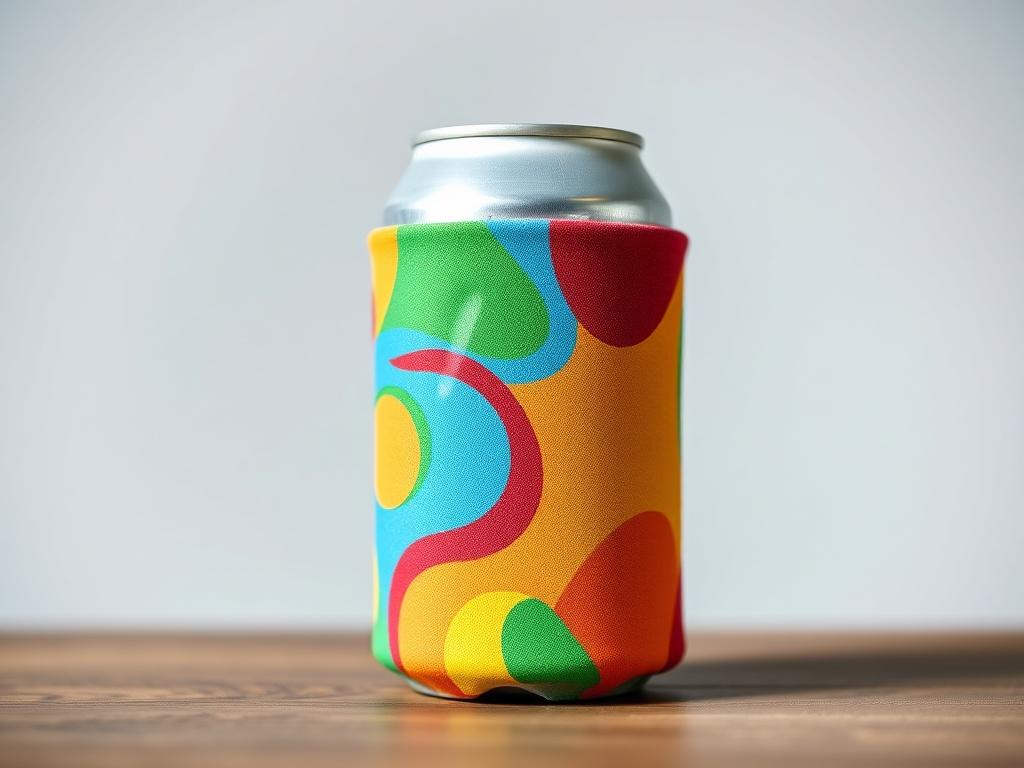
In competitive beverage markets, packaging appearance directly influences purchasing decisions. Modern empty drink cans offer extensive customization options suitable for private labels and OEM production.
● Custom printing and branding designs
● Matte, glossy, or textured finishes
● Multiple lid and opening styles
● Slim, sleek, or standard can shapes
● Special coatings for premium positioning
Customization allows B2B buyers to align packaging with brand identity while maintaining industrial efficiency.
Conclusion
Empty drink cans have evolved into a cornerstone of modern beverage and liquid packaging systems. Their combination of durability, sustainability, logistics efficiency, and customization flexibility makes them an ideal solution for B2B manufacturers and distributors worldwide. By integrating high-quality empty cans into production and supply chain strategies, businesses can enhance operational reliability, reduce costs, and meet growing market expectations for sustainable packaging.
FAQ
Q1: What industries commonly purchase empty drink cans in bulk?
A1: Beverage manufacturers, private-label brands, beverage startups, food processors, and some industrial liquid producers commonly source empty drink cans in large quantities.
Q2: Are empty drink cans suitable for carbonated beverages?
A2: Yes. Aluminum drink cans are specifically engineered to withstand internal pressure generated by carbonated drinks during filling and transportation.
Q3: Can empty drink cans be customized for branding purposes?
A3: Yes. Businesses can customize printing, finishes, shapes, and opening types to meet branding and marketing requirements.
Q4: Why are empty drink cans considered sustainable packaging?
A4: Aluminum cans are highly recyclable and can be reused multiple times without material degradation, supporting circular economy initiatives.
Post time: Feb-27-2026