


In today’s competitive beverage market, packaging plays a critical role in product positioning, logistics efficiency, and consumer experience. When it comes to different soda cans, the choice is not only about size—it also involves material structure, can design, and compatibility with branding strategies.
For B2B buyers, distributors, and beverage brands, understanding the variety of soda cans available is essential for optimizing product performance and meeting market expectations.
What Are Different Soda Cans?
The term different soda cans refers to the wide range of aluminum can formats used for carbonated soft drinks and sparkling beverages. These cans vary in size, shape, thickness, and surface treatment, allowing brands to differentiate their products and adapt to different consumption scenarios.
Modern soda cans are designed to balance durability, lightweight construction, and pressure resistance, making them ideal for carbonated beverages.
● Designed to withstand internal pressure from carbonation
● Manufactured with lightweight aluminum for cost efficiency
● Compatible with various lid types such as easy open ends
● Available in multiple shapes and sizes
● Suitable for global distribution and export markets
These features make aluminum soda cans one of the most widely used packaging formats worldwide.
Common Sizes of Soda Cans
One of the key differences among soda cans is their size. Selecting the right size depends on target markets, consumption habits, and product positioning.
● 250ml slim cans – popular for energy drinks and premium beverages
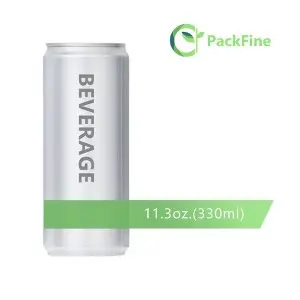
● 330ml standard cans – widely used in Europe and many export markets
● 355ml (12 oz) cans – standard size in North America
● 473ml (16 oz) cans – preferred for larger servings and craft beverages
● 500ml cans – common in various international markets
Each size serves a specific purpose, allowing brands to align their packaging with consumer preferences.
Different Shapes and Designs of Soda Cans
Beyond size, different soda cans also vary in shape and design, which can significantly impact shelf appeal and brand identity.
● Standard cans – traditional cylindrical shape for mass production
● Slim cans – tall and narrow, often used for premium positioning
● Sleek cans – slightly thinner than standard, offering a modern look
● Stubby cans – shorter and wider for a unique visual identity
● Custom-shaped cans – designed for brand differentiation
These variations help brands stand out in crowded retail environments.
Material and Structural Features
All different soda cans share a common material—aluminum—but differences in structure and engineering can affect performance.
● High-strength aluminum body for pressure resistance
● Internal coating to prevent chemical interaction with beverages
● Smooth surface for printing or labeling
● Precision manufacturing for consistent dimensions
● Compatibility with easy open lids for convenience
These structural features ensure that soda cans maintain product integrity throughout the supply chain.
Surface Finishes and Branding Options
Soda cans are not just containers—they are also powerful marketing tools. The surface of different soda cans can be customized to enhance brand visibility.
● Glossy finish for vibrant color presentation
● Matte finish for a premium look
● Tactile coatings for enhanced consumer interaction
● Partial printing or full-body decoration
● Options for labels, sleeves, or direct printing
For brands, the right surface treatment can significantly influence purchasing decisions.
Key Factors When Choosing Different Soda Cans
For B2B buyers, selecting among different soda cans requires evaluating multiple practical factors.
● Product type (carbonated, functional, or flavored beverages)
● Target market preferences and consumption habits
● Transportation and storage conditions
● Compatibility with existing can formats and lids
● Branding and marketing strategy
A well-informed decision can improve operational efficiency and market performance.
Market Trends in Soda Can Packaging
The demand for different soda cans continues to evolve as consumer preferences and industry standards change.
● Increasing demand for lightweight and sustainable packaging
● Growth of premium and customized can designs
● Expansion of smaller and more convenient can sizes
● Rising popularity of recyclable aluminum packaging
● Greater emphasis on visual branding and differentiation
These trends highlight the importance of innovation in can manufacturing.
Why Different Soda Cans Matter for Your Business
Choosing the right type of soda can is more than a packaging decision—it is a strategic choice that affects the entire product lifecycle.
● Improves product protection and shelf life
● Enhances logistics efficiency and reduces costs
● Supports brand positioning and differentiation
● Meets diverse market requirements
● Improves consumer convenience and satisfaction
In competitive markets, the right can format can directly influence product success.
Conclusion
Understanding different soda cans is essential for beverage brands and B2B buyers looking to optimize packaging performance and market positioning. From size and shape to surface finish and structural design, each element plays a role in ensuring product quality and brand impact.
As the beverage industry continues to grow and diversify, companies that adopt the right can solutions will be better equipped to meet changing market demands and achieve long-term success.
FAQ
What are the most common soda can sizes?
The most common sizes include 250ml, 330ml, 355ml, 473ml, and 500ml, depending on the market.
Are all soda cans made of aluminum?
Most modern soda cans are made of aluminum due to its lightweight, durability, and recyclability.
Can soda cans be customized?
Yes, soda cans can be customized through printing, coatings, or labeling to match brand identity.
Which soda can shape is most popular?
The standard cylindrical can is the most widely used, but slim and sleek cans are increasingly popular for premium products.
Post time: Apr-03-2026