


In today’s highly competitive beverage and food industry, packaging plays a critical role in maintaining product quality, ensuring safety, and enhancing consumer appeal. One of the key components in can packaging is the 202 can end, a versatile and reliable closure solution that has gained widespread adoption across the sector. Whether you are producing soft drinks, energy beverages, ready-to-eat meals, or specialty food products, 202 can ends provide an efficient and cost-effective method to seal your cans while ensuring freshness and integrity.
Understanding 202 Can Ends
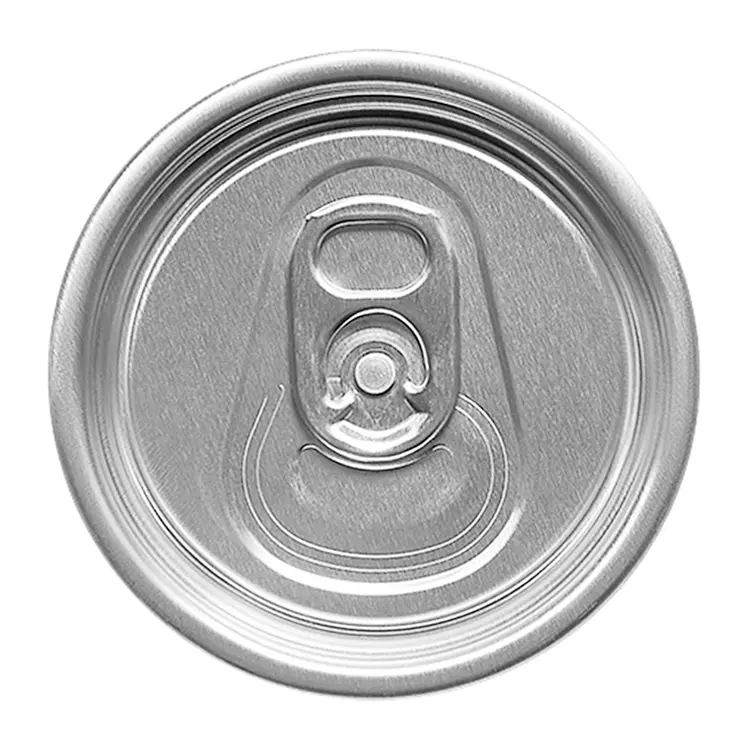
202 can ends are the metal lids or closures designed to seal cans with a diameter of 2.02 inches, giving the product its name. These ends are crafted to provide a secure closure that prevents leakage, contamination, and spoilage. Their precision engineering ensures a tight fit, making them suitable for various beverages and food products.
The importance of can ends in packaging cannot be overstated. They not only preserve the product but also influence the shelf life, consumer experience, and overall brand perception. As beverage and food brands expand their product lines and target diverse markets, the role of 202 can ends in delivering consistent quality becomes even more crucial.
Key Advantages of 202 Can Ends
The adoption of 202 can ends offers multiple advantages for B2B manufacturers, distributors, and packaging companies:
• Versatility: These can ends are compatible with a wide range of beverage and food cans, including carbonated drinks, juices, canned fruits, ready meals, and sauces. Their adaptability makes them an ideal solution for companies producing diverse product portfolios.
• Efficiency: The application of 202 can ends is highly efficient, allowing manufacturers to streamline their production lines. Automated sealing equipment can handle large volumes, reducing labor costs and production time.
• Convenience: Designed for easy sealing, 202 can ends simplify the packaging process. Manufacturers can achieve uniform and secure closures without the need for complex adjustments, enhancing operational efficiency.
• Aesthetic Appeal: Customization options, such as printed logos, vibrant colors, and decorative finishes, allow brands to enhance the visual appeal of their products. Attractive packaging can influence consumer purchasing decisions and strengthen brand recognition.
• Preservation: By forming an airtight seal, 202 can ends protect the contents from air, moisture, and contaminants. This ensures that beverages remain carbonated, sauces maintain flavor, and ready-to-eat meals retain quality throughout their shelf life.
• Sustainability: Most 202 can ends are made from aluminum, which is lightweight, durable, and highly recyclable. Recycling aluminum reduces environmental impact and supports sustainability initiatives in packaging operations.
Applications of 202 Can Ends in the Industry
The versatility of 202 can ends makes them suitable for a wide array of beverage and food applications:
• Carbonated Beverages: Soft drinks and energy drinks require airtight sealing to maintain carbonation. 202 can ends ensure a secure fit that preserves the fizz and taste of these beverages.
• Juices and Nutritional Drinks: For non-carbonated beverages, 202 can ends provide a convenient closure that prevents leakage and maintains freshness during storage and transportation.
• Canned Foods: Ready-to-eat meals, canned fruits, vegetables, and sauces benefit from 202 can ends, as they prevent contamination and extend shelf life.
• Specialty Products: Craft beverages, premium juices, and health-oriented foods can use printed or custom-designed can ends to differentiate products and appeal to consumers.
• Export and Logistics: 202 can ends provide a reliable solution for international shipments. Their robust design ensures that cans remain sealed during transit, even under varying temperature and handling conditions.
How 202 Can Ends Are Applied
The application of 202 can ends involves a straightforward yet precise process. Can ends are mounted onto filled cans using specialized sealing equipment, which ensures a consistent and secure closure. Automated machinery allows high-speed sealing, minimizing human error and maximizing production efficiency.
The process typically includes:
-
Positioning the Can End: Each can end is accurately placed onto the can opening.
-
Sealing Mechanism: A seaming or crimping machine locks the can end in place, forming a tight, uniform seal.
-
Quality Checks: Sensors and inspection systems verify that the seal is complete and leak-free, ensuring that every product meets quality standards.
This efficient application process makes 202 can ends particularly attractive for high-volume production lines, supporting scalability and consistent product quality.
Choosing the Right 202 Can Ends for Your Products
Selecting the ideal 202 can ends depends on several factors:
• Compatibility: Ensure the can end matches the diameter, depth, and type of cans you use.
• Material: Most ends are aluminum, but finishes and coatings can vary to suit specific product requirements.
• Sealing Efficiency: Evaluate the seaming mechanism to ensure a leak-proof and secure closure.
• Customization Options: For branding purposes, consider the ability to print logos, designs, or promotional information.
• Sustainability: Check for recyclable or eco-friendly materials to align with corporate sustainability goals.
Working with a reliable supplier ensures that you receive high-quality can ends that meet production requirements and regulatory standards, while also offering customization options to differentiate your products in the marketplace.
Conclusion
202 can ends are an indispensable component in modern beverage and food packaging, combining efficiency, reliability, and versatility. Their ability to maintain product quality, streamline production, and enhance brand presentation makes them an ideal choice for manufacturers and distributors in the B2B space. By understanding the advantages, applications, and selection criteria for 202 can ends, businesses can optimize their packaging process, reduce costs, and deliver products that meet consumer expectations.
When choosing 202 can ends, focus on factors such as compatibility with your cans, sealing efficiency, customization potential, and sustainability. Partnering with experienced suppliers ensures that your packaging process remains efficient and your products maintain the highest quality standards, ultimately driving business growth and customer satisfaction.
FAQ
1. Are 202 can ends recyclable?
Yes, 202 can ends are typically made of aluminum, a highly recyclable material. Recycling helps reduce waste and promotes environmental sustainability.
2. Can 202 can ends be customized with branding?
Yes, manufacturers often provide options to print logos, colors, or designs directly onto the can ends to enhance brand recognition.
3. What industries use 202 can ends the most?
These can ends are widely used in soft drinks, energy beverages, juices, canned foods, and specialty health products.
4. How can manufacturers ensure a secure seal with 202 can ends?
Using automated seaming machines with precise control ensures that each can end is sealed uniformly, preventing leaks and preserving freshness.
Post time: Dec-12-2025